

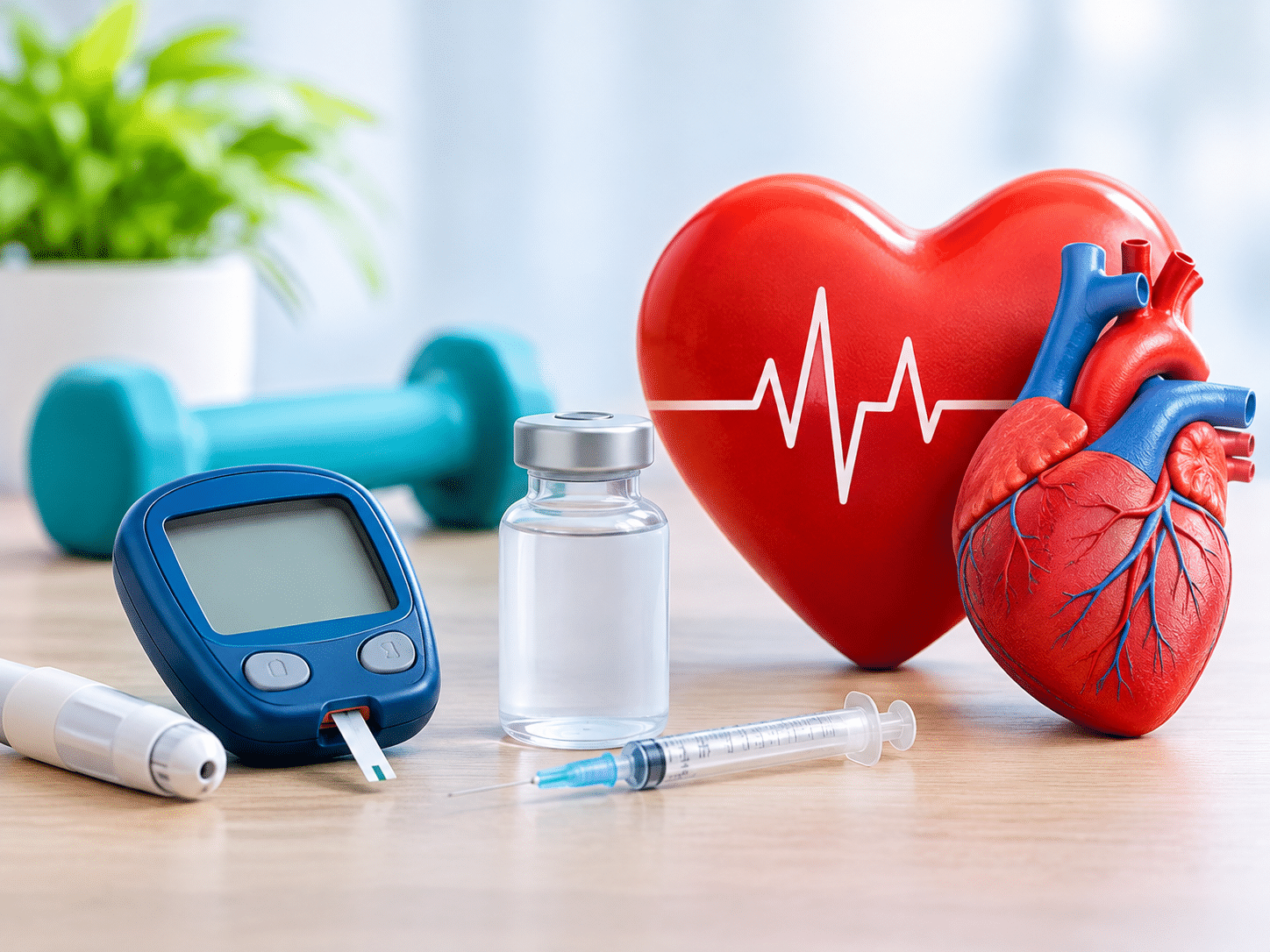
People with type 2 diabetes who stop taking GLP-1 medicines may face a significantly higher risk of serious health problems, including heart attack, stroke and death, compared with those who continue treatment. A new study published in The Lancet Regional Health – Europe has highlighted the possible risks associated with discontinuing these medicines. The findings underline the importance of long-term diabetes management and seeking medical advice before making changes to prescribed treatment.
What Are GLP-1 Medicines?
GLP-1 medicines, also known as glucagon-like peptide-1 receptor agonists, are used to manage type 2 diabetes. They work by copying the action of a natural hormone that helps the body regulate blood sugar levels. These medicines can also slow digestion, reduce appetite and support weight loss.
Some commonly known medicines in this group include semaglutide and liraglutide. Certain GLP-1 medicines have also demonstrated benefits for heart health in specific groups of patients with diabetes or obesity.
What Did the New Study Find?
Researchers analysed medical records of more than 80,000 people with type 2 diabetes who had received GLP-1 treatment at 301 diabetes clinics across Italy. The participants did not have established cardiovascular disease when they started treatment.
The researchers compared people who continued taking GLP-1 medicines with those who discontinued treatment. After adjusting for several differences between the groups, they found that the combined rate of non-fatal heart attack, non-fatal stroke or death from any cause was approximately twice as high among those who stopped taking the medicines.
In simple terms, the reported figures were around four events per 100 people per year among those who discontinued treatment, compared with approximately two events per 100 people per year among those who continued. These findings suggest a possible connection between stopping treatment and an increased risk of serious health outcomes.
READ ALSO: Popular Weight Loss Drugs May Also Lower Risk of Substance Use Disorders, Study Finds
Why Could Stopping GLP-1 Medicines Be a Concern?
GLP-1 medicines help control blood sugar and may provide additional benefits related to weight management and cardiovascular health. When a person stops taking these medicines, some of the benefits achieved during treatment may gradually decrease.
Some patients may experience weight regain or changes in blood sugar levels after stopping treatment. These changes can make diabetes management more challenging. However, the researchers found that changes in weight, blood sugar and blood pressure were relatively modest and did not fully explain the higher risk observed in the study.
This suggests that other factors may also be involved, but more research is needed to understand the reasons behind the findings.
People with Obesity May Face a Greater Risk
The study also highlighted a difference among people with obesity. Researchers found that the association between stopping GLP-1 treatment and cardiovascular events was stronger in people with a body mass index (BMI) of 30 or above.
This finding is important because obesity and type 2 diabetes can both increase the risk of heart disease and other health complications. People living with both conditions may need careful medical supervision when reviewing their long-term treatment plans.
Why Do Some People Stop Taking GLP-1 Medicines?
There are several reasons why patients may discontinue GLP-1 treatment. Some experience side effects such as nausea, vomiting, diarrhoea, constipation or stomach discomfort. Others may find the medicines expensive or difficult to access regularly.
Some patients may also feel that their blood sugar levels or weight have improved and assume they no longer need medication. However, improvement in health measurements does not necessarily mean that diabetes has gone away or that treatment is no longer required.
Patients should discuss their concerns with their doctor before stopping or changing any prescribed medicine.
Does Stopping GLP-1 Treatment Directly Cause Heart Attacks or Strokes?
Although the findings are concerning, it is important to understand that the study was observational. This means researchers examined existing medical records rather than randomly assigning patients to continue or stop treatment.
Therefore, the study shows an association between discontinuing GLP-1 medicines and a higher risk of serious health outcomes. It does not prove that stopping the medicines directly causes heart attacks, strokes or death.
People who stopped treatment may have had other health problems or risk factors that were not fully captured in the analysis. Experts have also cautioned that these differences could partly explain the results. Further research is needed to establish the relationship more clearly.
Should You Stop Taking GLP-1 Medicines?
If you are taking a GLP-1 medicine for type 2 diabetes, do not stop treatment or change your dose without consulting your doctor. If you experience side effects, have concerns about the cost or feel that the medicine is not working, speak with your healthcare provider.
Your doctor can review your blood sugar levels, weight, medical history and overall health before recommending any changes. If necessary, an alternative treatment may be considered.
Along with medication, healthy lifestyle habits are important for managing diabetes. Eating a balanced diet, staying physically active, monitoring blood sugar levels, avoiding smoking and managing blood pressure and cholesterol can support long-term health.
READ ALSO: GLP-1 Drugs May Help Reverse Prediabetes Better Than Metformin, Study Finds
Frequently Asked Questions
What are GLP-1 medicines used for?
GLP-1 medicines are primarily prescribed to manage type 2 diabetes. They help regulate blood sugar levels and may also support weight loss. Some medicines in this group have demonstrated cardiovascular benefits in certain patient populations.
Does stopping Ozempic increase the risk of heart attack?
The new study found that people who discontinued GLP-1 treatment had approximately twice the combined rate of non-fatal heart attack, non-fatal stroke or death compared with those who continued. However, it does not prove that stopping Ozempic specifically causes these outcomes.
Can I stop GLP-1 medication if my blood sugar is normal?
You should not stop your medication simply because your blood sugar levels have improved. Better glucose control may be the result of your current treatment. Always consult your doctor before making changes.
What are the common side effects of GLP-1 medicines?
Common side effects include nausea, vomiting, diarrhoea, constipation and stomach discomfort. The severity of these effects can vary from person to person.
The new study highlights the possible health risks associated with stopping GLP-1 medicines in people with type 2 diabetes. Researchers found that those who discontinued treatment had approximately twice the combined rate of heart attack, stroke or death compared with those who continued. Although the study cannot establish a direct cause-and-effect relationship, it emphasises the importance of consistent diabetes care and medical supervision. Patients should speak with their doctor before making any changes to their prescribed treatment.
Disclaimer: This article is intended for general health awareness and does not replace professional medical advice.














Leave a comment