

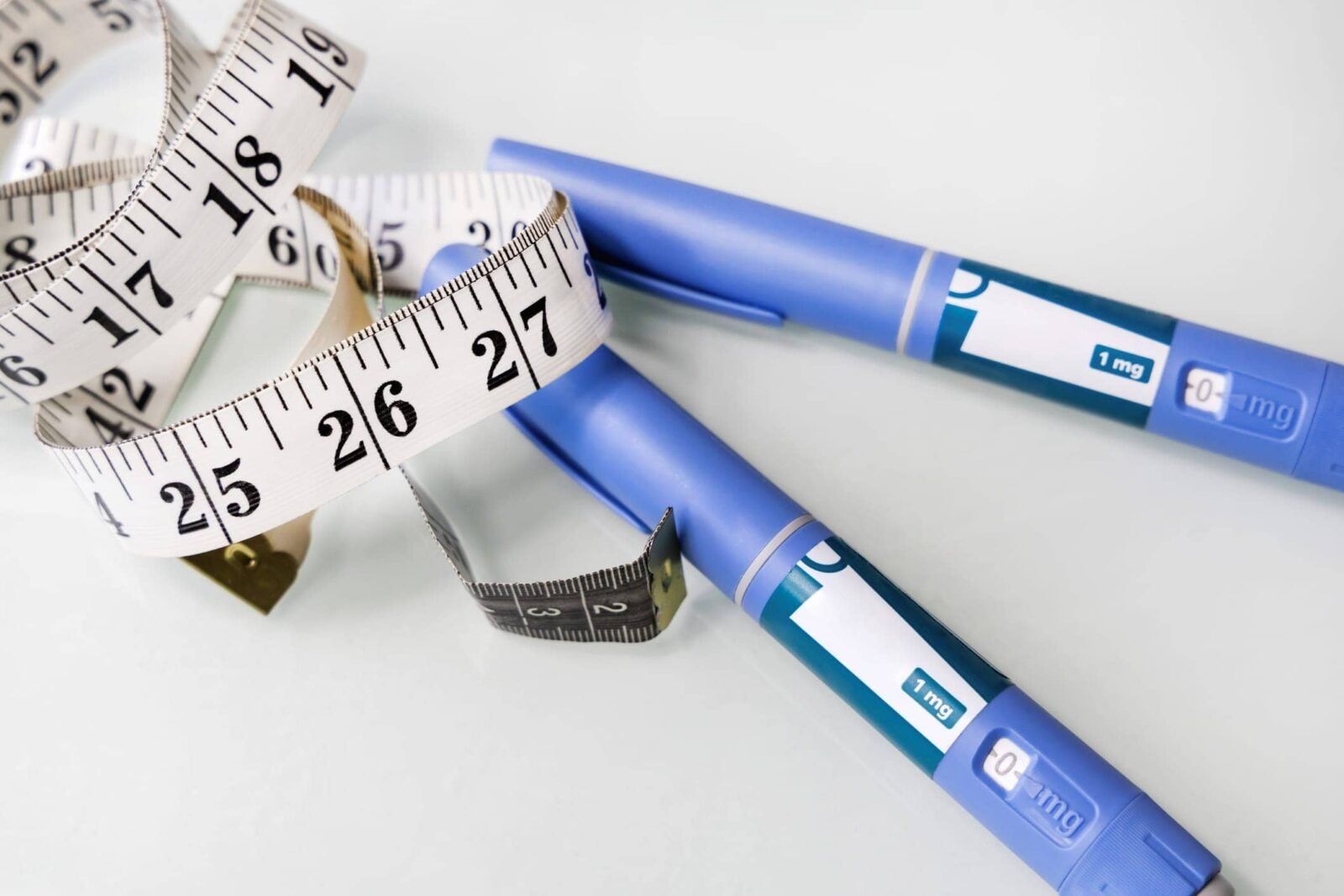
GLP-1 medications may offer greater benefits than metformin in managing prediabetes, with a large study linking their use to better blood sugar control and a lower risk of developing type 2 diabetes, heart attack and stroke.
Could medicines commonly used for diabetes and weight management help prevent prediabetes from progressing into type 2 diabetes? New research suggests they may offer promising benefits.
A large analysis of health records from more than 256,000 adults with prediabetes and obesity found that people taking GLP-1 medications were more likely to return to normal blood sugar levels and less likely to develop type 2 diabetes than those taking metformin, a commonly prescribed medication for blood sugar management.
The findings, reported by Reuters on November 4, 2026, are scheduled to be presented at the American Heart Association’s Scientific Sessions 2026. However, researchers caution that the findings are observational and do not establish that GLP-1 medicines directly caused the improved outcomes.
GLP-1 Drugs Show Promising Results Against Prediabetes
The study reviewed electronic health records of 256,492 adults diagnosed with both prediabetes and obesity.
Approximately half of the participants were taking GLP-1 medications, while the remaining participants were taking metformin.
The GLP-1 medicines included semaglutide, tirzepatide, liraglutide and dulaglutide. Researchers compared health outcomes between the two groups over approximately three years.
Compared with people taking metformin, those using GLP-1 medications had:
- 50% higher likelihood of returning to normal blood sugar levels.
- 31% lower risk of progressing from prediabetes to type 2 diabetes.
- 41% lower risk of death from any cause.
These findings suggest that GLP-1 medications may have an important role in managing metabolic health among people with obesity and prediabetes.
GLP-1 Medicines May Also Benefit Heart Health
Beyond blood sugar control, researchers observed differences in cardiovascular outcomes between the two groups.
Compared with metformin users, people taking GLP-1 medications had:
- 15% fewer heart attacks
- 20% fewer strokes
- 25% fewer cases of heart failure
- 8% fewer cases of atrial fibrillation, a condition involving an irregular heart rhythm
The findings are particularly relevant because prediabetes and obesity are associated with increased risks of cardiovascular and metabolic complications.
However, these results represent associations observed in health records. They do not prove that GLP-1 medications directly prevent heart attacks, strokes or other cardiovascular conditions.
What Are GLP-1 Drugs and How Do They Work?
GLP-1 stands for glucagon-like peptide-1, a hormone involved in regulating blood sugar, appetite and digestion.
GLP-1 receptor agonists mimic the action of this natural hormone. They help the body release insulin when blood sugar levels are high, reduce glucagon secretion and slow stomach emptying. They can also increase feelings of fullness and reduce appetite.
These effects can support blood sugar management and weight loss.
Some commonly known GLP-1-based medicines include semaglutide and liraglutide. Tirzepatide acts on both GIP and GLP-1 receptors, making it a dual-incretin medication.
Although these medicines are widely discussed for their role in diabetes and weight management, their suitability depends on an individual’s medical condition and treatment needs.
Why Is Metformin Still an Important Treatment Option?
Despite the promising findings, researchers have emphasised that metformin remains an established, affordable and widely used treatment option.
Metformin helps lower blood glucose levels, primarily by reducing glucose production in the liver and improving the body’s response to insulin.
It has a long history of use in managing type 2 diabetes and is also prescribed in selected cases of prediabetes.
The study does not establish that GLP-1 medications should replace metformin. Instead, the findings may encourage doctors to consider a wider range of treatment options for certain people, depending on their weight, blood sugar levels, medical history and overall health.
The cost and accessibility of GLP-1 medications are also important considerations.
Can Lifestyle Changes Help Reverse Prediabetes?
Medication is only one part of prediabetes management. Healthy lifestyle habits remain essential for reducing the risk of developing type 2 diabetes.
Important measures include:
- Healthy eating: Choose fibre-rich foods, vegetables, whole grains, pulses and balanced meals while limiting excess sugar and highly processed foods.
- Regular physical activity: Exercise can improve insulin sensitivity and help regulate blood glucose levels.
- Weight management: Losing excess body weight, when appropriate, can improve metabolic health.
- Adequate sleep: Maintaining a consistent sleep routine supports overall metabolic health.
- Regular health checks: Monitoring blood glucose levels can help identify changes and guide timely intervention.
The American Heart Association also emphasised that lifestyle changes involving diet, exercise and weight management remain essential components of prediabetes care.
Important Limitations: What the Study Does Not Prove
While the results are encouraging, there are important limitations to consider.
The research was based on an analysis of electronic health records rather than a randomised controlled clinical trial. This means researchers cannot establish a direct cause-and-effect relationship between taking GLP-1 medications and the improved health outcomes.
The analysis also relied on prescription records, which do not necessarily establish whether participants consistently took their medicines or followed prescribed doses.
Additionally, the study included adults with both prediabetes and obesity. Therefore, the findings may not apply to everyone diagnosed with prediabetes.
The research was presented as a scientific meeting abstract and is considered preliminary until published as a full peer-reviewed study.
Disclaimer: This article is for health information and awareness only. Do not start, stop or change diabetes or weight-management medication without consulting a qualified healthcare professional.















Leave a comment