

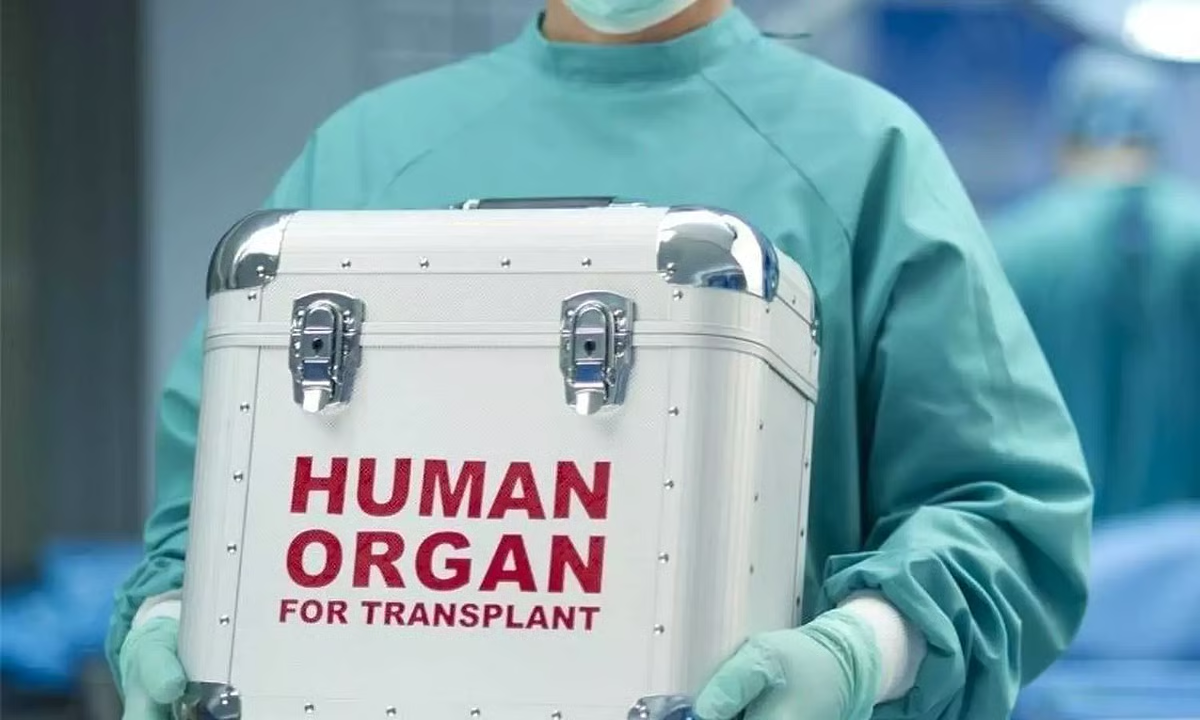
Organ Donation Guidelines: Organ donation is one of the most meaningful gifts a person can give, offering a second chance at life to people living with end-stage organ failure. It is a highly coordinated, time-sensitive medical and legal process through which healthy organs and tissues are recovered from a living or deceased donor and transplanted into patients who need them.
The kidneys, liver, heart, lungs and pancreas are among the organs that can be donated, while tissues such as the cornea can also be donated to restore or improve the quality of life of recipients. Depending on the organ and circumstances, donation may take place while a person is alive or after death, including following medically certified brain-stem death.
In this article, Dr. Shashidhar Shree Niwas, Clinical Director & HOD, Nephrology and Renal Transplantation, Marengo Asia Hospitals, Gurugram, will help us understand how organ donation works in India, what are the steps that one follows, and which all organs can be donated.
Which Organs and Tissues Can Be Donated?
Organ donation can take place through two primary routes: living donation and deceased donation.
Living organ donation: A medically suitable living person can donate one kidney or a part of their liver. The remaining kidney can support normal kidney function, while the liver has the ability to regenerate its volume after partial donation. Living donation is subject to strict medical evaluation and legal safeguards to protect the donor.
Deceased organ donation: Following the appropriate declaration and certification of death, organs such as the kidneys, liver, heart and lungs may be recovered for transplantation, provided they meet medical suitability criteria. In India, vital organs are commonly retrieved following certified brain-stem death, when circulation is maintained temporarily with medical support.
Tissue donation: The cornea, which is the transparent front layer of the eye, can be donated after death, including after the heart has stopped. Corneal donation can help restore vision in people with certain corneal conditions. The entire eye does not necessarily need to be transplanted; the corneal tissue is used for corneal transplantation.
It is important to understand that the medical suitability of an organ or tissue is determined by healthcare professionals at the time of donation. Age alone does not automatically disqualify someone from becoming a donor.
How Does the Deceased Organ Donation Process Work?
Deceased organ donation involves several medical, legal and logistical steps. The process must be carefully coordinated because different organs have different preservation requirements and time limits.
1. Identification of a Potential Donor
The process begins when a patient in a hospital’s intensive care unit suffers a catastrophic brain injury and is suspected of having irreversible loss of brain-stem function. The treating medical team evaluates the patient to determine whether brain-stem death can be certified.
Brain-stem death is different from a coma or a vegetative state. It is a legally recognised determination of death under India’s organ transplantation framework.
2. Brain-Stem Death Certification
In India, brain-stem death must be formally certified by an authorised medical board in accordance with the Transplantation of Human Organs and Tissues Act (THOTA), 1994, and the applicable rules.
The prescribed medical tests are conducted by the authorised doctors to establish that brain-stem function has irreversibly ceased. Organ retrieval can proceed only after the required certification and legal formalities are completed.
3. Family Counselling and Consent
Once a potential donor is identified, the hospital’s transplant coordinator or authorised medical team discusses organ donation with the family.
A person may have expressed their willingness to donate during their lifetime by registering or taking an organ donation pledge. However, this does not replace the required authorisation from the next of kin or other person legally authorised under the applicable rules.
4. Medical Evaluation and Organ Allocation
The donor’s medical history, blood group, organ function and other relevant parameters are assessed to determine which organs and tissues are suitable for donation.
Potential recipients are identified through the authorised organ allocation system. Factors such as medical urgency, compatibility, waiting-list status and applicable allocation policies are considered.
5. Organ Retrieval Surgery
After the necessary medical and legal approvals, specialised surgical teams retrieve the suitable organs and tissues.
Separate teams may be involved in retrieving the kidneys, liver, heart and other organs. The procedure is conducted with respect for the donor’s dignity and in accordance with established medical protocols.
6. Preservation and Transportation
After retrieval, organs are preserved using specialised preservation solutions and appropriate temperature-controlled methods. They are then transported to the designated transplant hospitals within the medically recommended time limits.
The transplant teams at the receiving hospitals perform the procedures after completing the necessary recipient assessments.
Living Organ Donation: How Can a Person Donate a Kidney or Part of the Liver?
Unlike deceased donation, living organ donation takes place when a medically suitable person voluntarily donates an organ or a portion of an organ to a recipient.
The two most common forms of living organ donation are:
- Kidney donation: A healthy person can donate one kidney because the remaining kidney can generally perform the functions required to maintain life.
- Liver donation: A living donor can donate a portion of their liver. The liver has a remarkable regenerative capacity, allowing the remaining liver in the donor and the transplanted portion in the recipient to grow towards adequate functional volume.
Living donation requires detailed medical and psychological evaluation, informed consent and compliance with legal requirements. The donor’s health and safety must remain a priority throughout the process.
Organ Donation in India: What Are The Current Loopholes?
India has made considerable progress in organ transplantation, but the availability of donated organs continues to fall short of the number of patients who need them.
According to the Ministry of Health and Family Welfare, India recorded 20,138 organ transplants in 2025, the highest annual total reported at the time. However, the national waiting list for major organs stood at 89,839 patients as of March 3, 2026, according to NOTTO data. Press Information Bureau+1
Kidneys account for the largest share of organ transplants in the country. Nevertheless, many patients with end-stage kidney disease continue to depend on dialysis while waiting for a suitable donor.
Another major concern is the relatively low contribution of deceased donors. Approximately 18% of organ transplants in India in 2025 involved organs from deceased donors, highlighting the need to strengthen deceased organ donation programmes alongside living donation. Press Information Bureau+1
Tamil Nadu Leads India in Deceased Organ Donations
Tamil Nadu has emerged as a leading state in deceased organ donation. According to figures reported by the Union Health Ministry and NOTTO for 2025, the state recorded the highest number of deceased organ donors, with 266 donors.
Tamil Nadu also ranked second in total organ transplants, performing 2,796 procedures during the year. Delhi-NCR recorded the highest number, with 4,564 transplants, followed by Tamil Nadu, Maharashtra, Telangana and Kerala. The New Indian Express+1
These figures highlight the importance of state-level organ donation networks, public awareness, hospital infrastructure and coordination between transplant centres.
When Is a Liver or Kidney Transplant Needed?
Organ transplantation can be a life-saving treatment for patients with severe, irreversible organ failure.
Liver transplantation: It may be recommended for people with acute or chronic liver conditions that result in severe, irreversible liver dysfunction or end-stage liver disease. Depending on the patient’s medical condition, a suitable organ may come from a deceased donor or a living donor who donates a portion of their liver.
Kidney transplantation: It is an established treatment option for eligible patients with end-stage renal disease (ESRD), in which the kidneys can no longer adequately perform their essential functions. A kidney transplant may improve quality of life and reduce or eliminate the need for long-term dialysis, depending on the patient’s circumstances.
Both procedures require careful assessment of the recipient, donor compatibility, surgical risks and long-term follow-up.
What Is NOTTO and What Role Does It Play in Organ Donation?
The National Organ and Tissue Transplant Organisation (NOTTO) functions under the Directorate General of Health Services, Ministry of Health and Family Welfare, Government of India.
It serves as the national-level organisation responsible for coordinating activities under the National Organ Transplant Programme (NOTP). Its responsibilities include supporting organ and tissue procurement and distribution systems, maintaining national registries of donors and recipients, and strengthening coordination among regional and state-level transplant organisations.
NOTTO also plays an important role in promoting public awareness and encouraging voluntary organ and tissue donation. India’s organ transplantation framework is governed by the Transplantation of Human Organs and Tissues Act, 1994, along with subsequent amendments and rules. Notto+1
Organ Donation Pledges: Why More People Need to Come Forward
India has recorded a significant increase in public participation in organ donation. According to the Union Health Ministry, the country crossed five lakh Aadhaar-verified organ donation pledges in 2026 through its national digital pledge initiative. Press Information Bureau+1
While this reflects growing awareness, pledging is only one part of the process. More people need to understand the importance of discussing their decision with family members and making their wishes known.
A pledge does not guarantee that every organ or tissue will be suitable for transplantation. Final eligibility is determined by the medical team at the time of donation, based on the donor’s health, circumstances of death and applicable medical and legal protocols.
How Can You Become an Organ Donor?
Becoming an organ donor begins with making an informed decision and communicating it to your family. Here are a few steps people can take:
- Register your willingness to donate: Visit the official NOTTO website and complete the organ donation pledge process.
- Discuss your decision with family: Explain your wishes to your family members so they understand and can support your decision.
- Understand the donation process: Learn about living and deceased organ donation, including the medical and legal requirements.
- Spread awareness: Encourage conversations about organ donation among friends, family members and within your community.
People should also understand that organ donation is voluntary and must never involve financial transactions or coercion.
Follow HealthWireMedia.com for all the latest health news and developments from around the world.














Leave a comment