

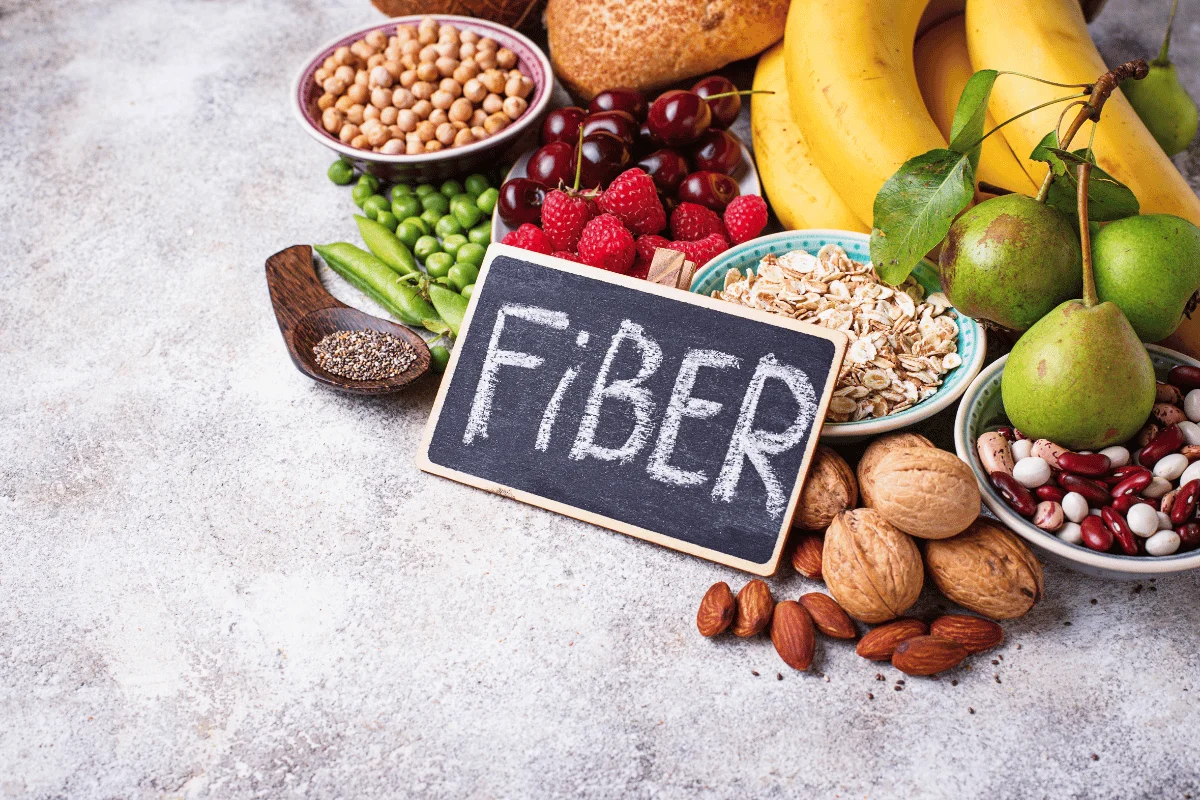
Fiber is a type of carbohydrate that is found naturally in plant based foods such as fruits, vegetables, grains, legumes and nuts. It is different from other types of carbohydrates as it cannot be completely broken down in the body rather it is used to keep the digestive system healthy. Wondering how this carbohydrate can impact your health positively then here’s all you need to know about the most frequently asked questions about daily fiber intake.
Can fiber help you feel full for longer?
The most important function of fibre in the body is to assist the easy movement of food through the digestive tract which in turn makes it easier to pass stools and helps to prevent constipation. Healthcare professionals note that food containing fiber can make you feel fuller as compared to other foods because it takes more time to be digested than other foods. This occurs because fiber slows down the process of digestion which helps in controlling hunger and preventing cravings.
How does fiber help your digestive system?
According to Harvard Health the intake of fiber in food is very important in maintaining a nutritious diet. This component is an important part of the digestive process which helps keep it normal and contributes to regular bowel movements. Experts explain that the body is able to absorb the necessary nutrients and provide good bulk in the intestines with the help of fiber. However if the diet does not contain enough fiber then digestion will become very slow causing discomfort such as constipation and indigestion. It is important ot note that lack of fiber in the diet leads to hunger because fiber makes the stomach feel fuller for a longer duration.
What are the natural sources of fiber?
Eating foods rich in fiber ensures good digestion and prevents constipation normalizing the motor function of the intestines. This is because dietary fiber ensures the good consistency of the stool. You can consume fruits like apples pears, oranges and berries as they are good sources of plant-based carbohydrates providing essential vitamins. When it comes to vegetables there are varieties such as carrots, broccoli, spinach and peas adding a good amount of fiber to your meals.
Whole grains like oats, brown rice whole wheat and millets contain more fiber than refined grains. In addition foods like dal, beans and chickpeas are also excellent choices because they provide both fiber and nutrients. Nuts and seeds such as almonds, chia seeds and flaxseeds are small but powerful sources of fiber. Good health is determined by the food that you eat on a daily basis and the key component in food that must never be missed is fiber. It facilitates proper digestion enhancing the overall health condition of an individual. Lastly adding fiber to your diet is non negotiable because it can bring a positive change to your health and lifestyle in the long run.
Disclaimer: This article is for informational pur5poses only and does not replace professional medical advice, diagnosis or treatment. Consult a qualified healthcare professional for personalised dietary guidance.















Leave a comment