

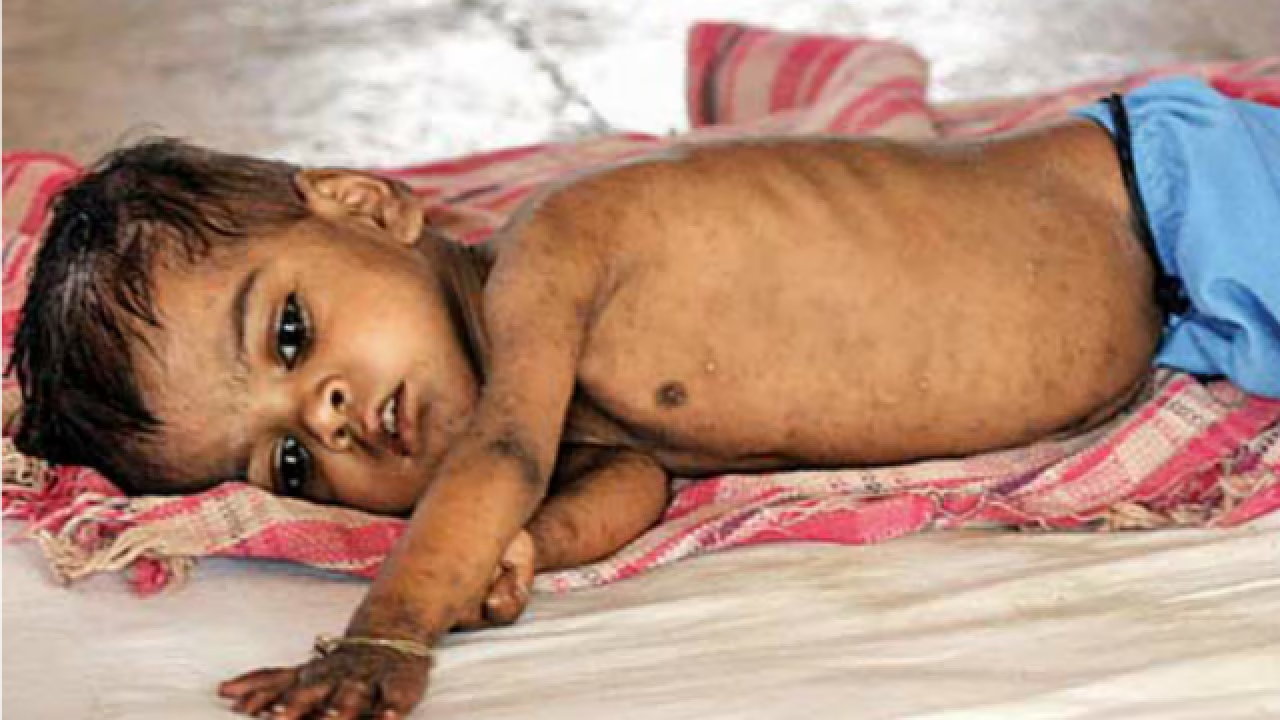
Feeling tired all the time, experiencing frequent dizziness or getting breathless after climbing a few stairs? While these symptoms are often dismissed as stress, inadequate sleep or a hectic lifestyle, they could indicate something more serious: anaemia.
Anaemia remains a major public health concern in India, particularly among women, children and adolescents. Despite several government-led nutritional interventions, a significant proportion of the population continues to struggle with low haemoglobin levels. Iron deficiency is one of the leading nutritional causes of anaemia, often linked to inadequate dietary intake, poor iron absorption, increased nutritional requirements and blood loss.
What makes the condition particularly concerning is that its symptoms may develop gradually and go unnoticed until the deficiency becomes more severe.
But how do you recognise the early signs? Why are Indian women particularly vulnerable to iron deficiency, and when should you get your haemoglobin levels checked? Here is what you need to know.
Anaemia in India: Why Is It Still a Major Health Concern?
According to the National Family Health Survey-5 (NFHS-5), conducted between 2019 and 2021, anaemia continues to affect a substantial proportion of India’s population.
The survey reported:
- 67.1% of children aged 6–59 months were anaemic.
- 59.1% of adolescent girls aged 15–19 years were anaemic.
- 57% of women aged 15–49 years were anaemic.
- 52.2% of pregnant women were anaemic.
- 60.6% of breastfeeding women were anaemic.
These figures highlight the scale of India’s anaemia burden, particularly among women and children.
The Government of India has been implementing the Anaemia Mukt Bharat programme to address this challenge through iron and folic acid supplementation, deworming, screening, treatment and nutritional awareness.
However, the problem remains multifactorial. Poor dietary diversity, inadequate iron intake, menstrual blood loss, frequent pregnancies, infections and underlying medical conditions can all contribute to anaemia.
Importantly, the NFHS-5 figures represent anaemia prevalence, not confirmed iron-deficiency anaemia. Blood tests are required to establish the underlying cause.
What Is Anaemia and How Is It Different From Iron Deficiency?
Anaemia is a condition in which the body has insufficient healthy red blood cells or haemoglobin to carry adequate oxygen to its tissues.
Haemoglobin is an iron-containing protein present in red blood cells. It carries oxygen from the lungs to different parts of the body and helps maintain normal organ function.
When haemoglobin levels fall below the recommended range, the body’s oxygen-carrying capacity is reduced. This can result in fatigue, weakness, dizziness and breathlessness.
Iron deficiency is one of the most common causes of anaemia. The body needs iron to produce haemoglobin, and inadequate iron availability can interfere with red blood cell production.
However, not all anaemia is caused by iron deficiency. Other causes include:
- Vitamin B12 deficiency.
- Folate deficiency.
- Chronic kidney disease.
- Chronic inflammation and infections.
- Blood loss, including heavy menstrual bleeding.
- Inherited blood disorders such as thalassaemia and sickle cell disease.
Therefore, identifying the underlying cause is essential before starting treatment.
7 Signs of Anaemia and Iron Deficiency You Should Not Ignore
Anaemia can develop slowly, and its symptoms are often mistaken for everyday tiredness or nutritional weakness. Recognising these warning signs can help you seek medical attention before the condition worsens.
Here are seven symptoms to watch out for:
1. Persistent Fatigue and Weakness
Feeling exhausted despite getting adequate sleep can be an early warning sign of anaemia.
When haemoglobin levels are low, less oxygen reaches the body’s tissues and muscles. This can affect energy production and make everyday activities feel unusually exhausting.
You may experience persistent tiredness, reduced stamina, difficulty concentrating and a general lack of energy.
2. Pale Skin, Lips and Nail Beds
Have you noticed that your skin looks unusually pale or that the inside of your lower eyelids appears lighter than usual?
Paleness can occur when haemoglobin levels are significantly reduced, affecting the normal reddish colour of the skin and mucous membranes.
You may notice paleness around the face, lips, gums, palms or nail beds.
However, skin colour alone cannot confirm anaemia, and a blood test is necessary for diagnosis.
3. Shortness of Breath During Everyday Activities
Getting breathless after climbing stairs, walking short distances or performing routine household activities may indicate low haemoglobin levels.
When the blood cannot carry enough oxygen, the heart and lungs may work harder to meet the body’s oxygen requirements.
This can cause breathlessness, particularly during physical activity.
If breathlessness is sudden, severe or accompanied by chest pain, seek immediate medical attention rather than assuming it is due to anaemia.
4. Frequent Dizziness and Headaches
Recurring headaches, light-headedness and dizziness may also be associated with anaemia.
Reduced oxygen delivery to the brain can contribute to these symptoms, particularly when haemoglobin levels become significantly low.
Some people may also experience difficulty concentrating, mental fatigue or a feeling of weakness when standing up.
However, dizziness and headaches have several possible causes, so they should not automatically be attributed to iron deficiency.
5. Cold Hands and Feet
Do your hands and feet frequently feel cold even when the surrounding temperature is comfortable?
People with anaemia may experience cold extremities because reduced oxygen-carrying capacity can affect the body’s ability to meet tissue oxygen requirements.
You may also notice unusual sensitivity to cold, fatigue and general weakness.
Although this symptom can occur with anaemia, it may also be associated with thyroid disorders, circulation problems and other health conditions.
6. Brittle Nails and Hair Loss
Changes in your nails and hair may sometimes indicate nutritional deficiencies, including iron deficiency.
You may notice:
- Brittle nails that break easily.
- Slow nail growth.
- Increased hair shedding.
- Thin or weak hair.
- Spoon-shaped nails, medically known as koilonychia, in some cases of prolonged iron deficiency.
These changes are not exclusive to anaemia. Persistent hair loss or nail abnormalities should be evaluated to identify the actual cause.
7. Unusual Cravings for Non-Food Items
One lesser-known symptom of iron deficiency is pica, a condition characterised by cravings for substances that have no nutritional value.
Some people with iron deficiency may develop unusual cravings for:
- Ice.
- Chalk.
- Clay or soil.
- Paper.
- Starch.
A specific craving for ice, known as pagophagia, has been associated with iron deficiency.
If you experience unusual cravings for non-food substances, consult a healthcare professional and get evaluated for possible nutritional deficiencies.
Why Are Indian Women More Vulnerable to Iron Deficiency?
Women of reproductive age are particularly vulnerable to iron deficiency because of their increased physiological requirements and regular menstrual blood loss.
Several factors contribute to this risk:
1. Heavy menstrual bleeding: Women who experience prolonged or excessively heavy periods may lose significant amounts of iron every month.
2. Pregnancy: Iron requirements increase during pregnancy because the body needs to support the growing baby, placenta and expansion of maternal blood volume.
3. Inadequate dietary intake: Diets that do not provide sufficient iron-rich foods can gradually deplete the body’s iron stores.
4. Frequent pregnancies: Closely spaced pregnancies can make it difficult for the body to replenish iron stores, particularly when nutritional intake is inadequate.
5. Poor iron absorption: Certain dietary habits, gastrointestinal conditions and other nutritional deficiencies can interfere with iron absorption.
Adolescent girls are also vulnerable because rapid growth and the onset of menstruation increase their iron requirements.
How Is Anaemia Diagnosed?
Anaemia cannot be confirmed through symptoms alone. A doctor may recommend blood investigations to determine whether your haemoglobin levels are below the normal range and identify the underlying cause.
Common tests include:
1. Complete Blood Count (CBC): This test measures haemoglobin, red blood cell count, haematocrit and other blood parameters. It helps identify anaemia and provides clues about its type.
2. Serum Ferritin: Ferritin reflects the body’s stored iron. Low ferritin levels generally indicate depleted iron stores. However, ferritin can increase during inflammation or infection, so results must be interpreted in the clinical context.
3. Serum Iron and Iron Studies: These tests help evaluate iron availability and may include transferrin saturation and total iron-binding capacity (TIBC).
4. Vitamin B12 and Folate Tests: These may be recommended when nutritional deficiencies other than iron are suspected.
5. Additional Investigations: Depending on your symptoms and medical history, doctors may recommend tests for blood loss, infections, chronic diseases or inherited blood disorders.
For most adults, haemoglobin below 12 g/dL in non-pregnant women and below 13 g/dL in men is generally considered anaemia under WHO criteria. Pregnancy-specific thresholds are different.
How To Prevent Iron Deficiency Anaemia: Foods To Include In Your Diet
A balanced diet containing adequate iron and other essential nutrients can help prevent nutritional deficiencies.
However, dietary changes alone may not be sufficient to treat established iron-deficiency anaemia.
Include these iron-rich foods in your daily diet:
- Green leafy vegetables: Spinach, amaranth leaves and other leafy greens provide non-haem iron.
- Pulses and legumes: Lentils, chickpeas, kidney beans and other legumes are useful plant-based sources of iron.
- Seeds and nuts: Pumpkin seeds, sesame seeds and nuts contribute iron and other essential nutrients.
- Whole grains: Some whole grains and iron-fortified cereals can help improve dietary iron intake.
- Meat and seafood: Meat, poultry and certain seafood provide haem iron, which is generally absorbed more efficiently.
- Vitamin C-rich fruits: Amla, guava, oranges and lemons can improve the absorption of non-haem iron from plant-based foods.
An important dietary tip: Avoid drinking tea or coffee immediately with iron-rich meals, as their polyphenols can reduce iron absorption. Try to keep them separate from meals.
Can Iron Supplements Treat Anaemia?
Iron supplements are commonly prescribed for confirmed iron-deficiency anaemia. They help replenish the body’s iron stores and support haemoglobin production. However, not everyone with anaemia requires iron supplementation. The treatment depends on the underlying cause, severity of deficiency, age and overall health.
Taking iron supplements without medical advice can cause side effects such as nausea, constipation, abdominal discomfort and dark stools. Excessive iron intake can also be harmful. In some cases, doctors may recommend intravenous iron when oral supplements are unsuitable, poorly tolerated or ineffective, or when rapid iron replacement is medically necessary. People with anaemia caused by vitamin B12 deficiency, folate deficiency, chronic disease or inherited blood disorders require different treatment approaches.
Disclaimer: This article is for informational purposes only and is not a substitute for professional medical advice, diagnosis or treatment. Consult a qualified healthcare professional if you experience symptoms of anaemia or suspect an iron deficiency.











Leave a comment