Home Latest News High Cholesterol And Heart Health: 5 Signs of Stroke You Should Never Ignore
Latest News

High Cholesterol And Heart Health: 5 Signs of Stroke You Should Never Ignore

Share
High Cholesterol And Heart Health: 5 Signs of Stroke You Should Never Ignore
Share

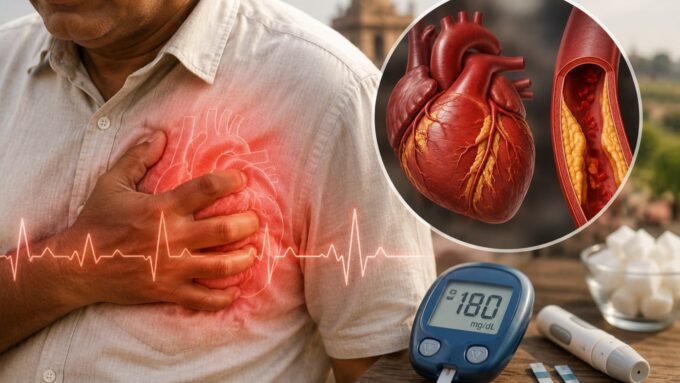
Ever wondered what happens inside your heart when your blood LDL levels are too high? Well, LDL refers to bad cholesterol, the culprit that can put your heart at risk of suffering severe health outcomes. In this article, we take a close look at the relationship between high cholesterol and heart health and the impact they can have.

What Is High Cholesterol?

Elevated cholesterol is a widespread health issue that has a profound influence on heart wellness. Being mindful of stroke symptoms and timely intervention can spare us from severe outcomes. Here, we discuss five signs of a stroke, which should never be overlooked.

Why Keeping an Eye on Cholesterol Levels is Crucial

Cholesterol is critical for our body, but its high levels can cause arterial plaque buildup, raising heart disease and stroke risks. Thus, it’s important to routinely check cholesterol levels – it allows us to spot any potential problems and address them proactively for overall heart health.

5 Signs of Stroke You Should Never Ignore

Never Ignore these signs of high cholesterol levels at any costs:

Unusual Numbness or Weakness

One of the principal signs of stroke is unexpected numbness or weakness, typically on one side of the body. It might affect the face, limbs and may cause perplexity or speech difficulties. In such a situation, it’s imperative to get medical help right away.

Trouble in Speaking or Understanding

Issues with speech, like unclear speech or comprehending difficulties, can be a stroke alarm. If you or anyone nearby you notices sudden changes in speech, it’s critical to act immediately by seeking help.

Loss of Vision

A blurred sight or sudden vision loss in either one or both eyes can indicate a stroke. Vision-related disturbances should never be ignored as they may be indicators of an urgent medical need.

Persistent Headache

A sudden intense headache, particularly when accompanied with symptoms like giddiness or confusion, may signal a stroke. Persistent headaches should not be brushed aside, instead seek medical aid promptly.

Unable To Walk or Maintain Body Balance

If you face problems walking, experience sudden dizziness, or loss of coordination without a clear reason, it may indicate a stroke. In such a case, ensuring quick medical help is vital.

Protecting Heart Health

To mitigate high cholesterol and lessen heart disease and stroke risks, a wholesome lifestyle is important. Regular physical activity, balanced meals, and avoiding smoke—these all help in enhancing heart health. Moreover, stress management and regular medical checkups to monitor cholesterol levels are necessary for thwarting cardiovascular issues.

Being conscious of stroke signs and understanding how high cholesterol impacts heart health is key for overall wellness. Early symptom recognition and swift action can lessen the chances of serious issues and defend heart health. Remember that the warning signs should never be taken lightly and heart health should always be prioritized.

Share
Written by
Satata Karmakar

Satata Karmakar is a health journalist and Editor of HealthWireMedia.com, with over 12 years of experience in journalism, investigative reporting, newsroom editing and healthcare news. As Editor of HealthWire Media, Satata focuses on delivering accurate, evidence-based and accessible health journalism that helps readers make sense of complex medical and healthcare developments. She specialises in translating medical research, clinical findings, public-health updates and healthcare regulations into clear, engaging stories for healthcare professionals and the wider public. Her areas of coverage include public health, medical research, disease prevention, healthcare policy, health technology, medical education and regulatory developments. She places particular emphasis on verifying health claims through peer-reviewed research, official government notifications, expert interviews and credible institutional sources, including the National Medical Commission (NMC). She is committed to responsible health reporting that prioritises accuracy, context and transparency—especially when covering emerging research, medical breakthroughs, health risks and treatment-related information. Her editorial approach aims to make reliable health information understandable without oversimplifying science or overstating medical claims. Through her work, she seeks to strengthen public understanding of healthcare issues and contribute to informed conversations around health, medicine and policy. Outside the newsroom, Satata enjoys reading and painting, pursuits that continue to inspire her curiosity, creativity and storytelling.

Leave a comment

Leave a Reply

Your email address will not be published. Required fields are marked *

Don't Miss

Bundibugyo Ebola virus
International NewsVirus & DiseaseWHO

From Fever To Organ Failure: How The Bundibugyo Ebola Virus Affects The Body

The Bundibugyo Ebola virus outbreak has raised fresh global health concerns as infections continue to spread across parts of Central and East Africa....

WHO
Health TipsInternational NewsLatest NewsLifestyle & WellnessWHO

WHO Issues First Type 1 Diabetes Guidelines for Adults: 7 Things Patients Need to Know

More than 100 years after the discovery of insulin, millions of people living with type 1 diabetes continue to face challenges in accessing...

Breast Cancer
Health NewsOncology

Mammogram vs Ultrasound vs MRI: Which Breast Cancer Screening Test Is Right for You?

Breast cancer is one of the most common cancers affecting women worldwide, and early detection plays an important role in improving treatment outcomes....

Always Tired? It Could Be Anaemia!
Diet & NutritionHealth NewsHealth TipsLifestyleLifestyle & WellnessWellness

Anaemia in India: Why Iron Deficiency Remains a Concern and 7 Signs You Should Not Ignore

Feeling tired all the time, experiencing frequent dizziness or getting breathless after climbing a few stairs? While these symptoms are often dismissed as...

N95 Mask
Health TipsLatest NewsLifestyle & WellnessWellness

Does Wearing an N95 Mask Protect You From PM2.5 Pollution? Doctors Explain How To Choose And Wear It Correctly

As air pollution continues to affect several Indian cities during winter, wearing a mask has become an important precaution for people stepping outdoors....

Section title

Related Articles
Latest NewsWHO

WHO Releases First-Ever Guidelines For Type 1 Diabetes In Adults: 5 Key Recommendations Explained

The World Health Organization (WHO) has issued its first-ever guidelines for the...

Health NewsLatest NewsLifestyle

7 Simple Ways to Protect Yourself from Air Pollution

Air pollution has become a major health concern today. Dust from construction...