

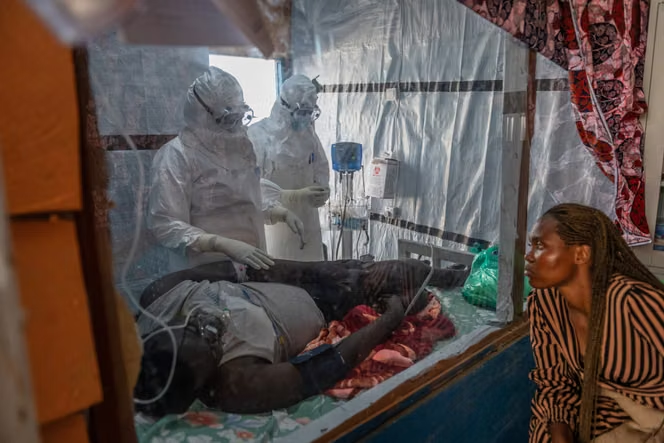
The Bundibugyo Ebola virus outbreak has raised fresh global health concerns as infections continue to spread across parts of Central and East Africa. Caused by the Bundibugyo virus, a member of the Ebola virus family, the disease can trigger a severe infection that affects multiple organs and may become life-threatening.
Unlike an ordinary viral fever, Bundibugyo virus disease can progress from early symptoms such as fever, headache and muscle pain to severe gastrointestinal complications, organ dysfunction and, in some cases, bleeding.
According to the European Centre for Disease Prevention and Control (ECDC), the Democratic Republic of the Congo (DRC) had reported 11,114 confirmed cases and 5,433 related deaths as of November 11, 2026. Cases have also been reported in Kenya and Nigeria.
But how does the Bundibugyo Ebola virus affect the human body? What happens after infection, which organs can be affected, and why can the disease become fatal? Here is what you need to know.
What is Bundibugyo Ebola virus disease?
Bundibugyo virus disease (BVD) is a severe infectious disease caused by the Bundibugyo virus, which belongs to the genus Orthoebolavirus. It is one of the viruses responsible for Ebola disease.
The virus was first identified during an outbreak in Uganda in 2007. It was subsequently detected in the Democratic Republic of the Congo in 2012. The disease is zoonotic, meaning it can spread from animals to humans.
Fruit bats are suspected to be the natural reservoir of the virus. Human infection may occur following contact with infected wildlife, including bats and non-human primates. Once the virus enters the human population, it can spread through direct contact with the blood, secretions, organs or other bodily fluids of an infected person, as well as contaminated objects and surfaces.
How does the Bundibugyo Ebola virus affect the body?
The infection does not necessarily cause severe complications immediately. After entering the body, the virus can trigger a systemic infection that affects the immune response, blood vessels, gastrointestinal system and other organs.
The incubation period ranges from two to 21 days. This means symptoms may develop anywhere between two and 21 days after exposure. Infected individuals are not considered infectious before symptoms begin, according to WHO.
1. Early stage: Fever, headache and muscle pain
The initial symptoms of Bundibugyo Ebola virus disease can resemble several other infectious illnesses, making early diagnosis challenging.
Patients may experience:
- Sudden onset of fever
- Severe headache
- Muscle and joint pain
- Extreme fatigue and weakness
- Sore throat
These symptoms are not specific to Ebola and can overlap with illnesses such as malaria and other endemic infections. Laboratory testing is therefore essential to confirm the diagnosis.
2. Gastrointestinal stage: Vomiting, diarrhoea and dehydration
As the infection progresses, gastrointestinal symptoms may develop. These can significantly worsen the patient’s condition.
Common symptoms include:
- Nausea and vomiting
- Severe diarrhoea
- Abdominal pain
- Loss of appetite
- Dehydration
Persistent vomiting and diarrhoea can cause substantial fluid and electrolyte loss. If these losses are not corrected promptly, patients may develop low blood pressure, circulatory problems and further complications.
3. Blood vessels and immune response: How the infection becomes severe
Ebola viruses can trigger an intense and dysregulated immune response. The infection can also affect the cells and mechanisms responsible for maintaining normal blood vessel function.
This can contribute to:
- Increased blood vessel permeability
- Fluid leakage into surrounding tissues
- Disturbances in blood clotting
- Inflammation throughout the body
- Reduced blood circulation to vital organs
In severe cases, these changes can contribute to shock and organ dysfunction.
4. Liver and kidney damage: When vital organs are affected
As the disease becomes severe, it can affect the functioning of vital organs, including the liver and kidneys.
The liver plays an important role in metabolism and the production of proteins involved in blood clotting. Liver dysfunction can therefore contribute to abnormalities in clotting and other metabolic complications.
The kidneys help regulate fluid balance, electrolytes and waste removal. Severe dehydration, low blood pressure and systemic illness can impair kidney function, potentially leading to acute kidney injury.
Patients with severe disease may require intensive monitoring and supportive treatment to manage these complications.
5. Bleeding complications: Why some patients develop haemorrhagic symptoms
Ebola is often associated with bleeding, but not every infected person develops visible haemorrhagic symptoms.
In severe cases, abnormalities in blood clotting and damage associated with systemic infection may cause bleeding manifestations such as:
- Bleeding from the gums or nose
- Blood in vomit or stools
- Unexplained bruising
- Bleeding from injection sites
Internal bleeding and severe clotting abnormalities can occur in complicated cases. However, gastrointestinal fluid loss, shock and organ dysfunction are also major contributors to severe illness.
6. Organ failure and shock: The most dangerous stage
In the most severe cases, the infection can progress to multiple organ dysfunction or failure.
This may involve:
- Acute kidney injury
- Liver dysfunction
- Severe circulatory failure
- Respiratory complications
- Impaired blood clotting
When blood pressure drops significantly, vital organs may not receive enough oxygen and nutrients. This can result in shock, worsening organ damage and, in some cases, death.
Not every patient progresses to this stage. Early identification, appropriate medical care and careful management of complications are important for improving outcomes.
What are the symptoms of Bundibugyo Ebola virus disease?
The symptoms can vary in severity and may develop progressively.
| Early symptoms | Severe or advanced symptoms |
|---|---|
| Fever | Severe dehydration |
| Headache | Persistent vomiting and diarrhoea |
| Muscle pain | Shock and low blood pressure |
| Fatigue | Organ dysfunction |
| Sore throat | Bleeding manifestations in some cases |
| Weakness | Multiple organ failure |
Symptoms alone cannot confirm Bundibugyo Ebola virus disease. Laboratory testing and medical assessment are necessary.
How does Bundibugyo Ebola virus spread?
The virus spreads primarily through direct contact with infected bodily fluids.
According to WHO, transmission can occur through:
- Direct contact with the blood or bodily fluids of an infected person.
- Contact with contaminated objects, surfaces, clothing or medical equipment.
- Exposure to infected wildlife.
- Contact with the body of someone who has died from the disease, particularly during unsafe burial practices.
Healthcare workers and family members caring for infected patients may face a higher risk if appropriate infection prevention and control measures are not followed.
Importantly, people infected with Bundibugyo virus are not considered infectious before symptoms begin.
Is there a vaccine or treatment for Bundibugyo Ebola virus?
As of November 15, 2026, there is no approved vaccine or specific antiviral treatment for Bundibugyo virus disease.
This is an important distinction because vaccines and targeted treatments developed for other Ebola virus species cannot automatically be assumed to work against Bundibugyo virus.
WHO has been coordinating technical assessments of potential vaccine candidates and therapeutics.
Treatment currently focuses on supportive medical care, which may include:
- Intravenous fluids and electrolyte replacement.
- Maintaining oxygen levels and blood pressure.
- Monitoring kidney and liver function.
- Managing complications such as shock and abnormal blood clotting.
- Treating other infections or complications when identified.
Early supportive care is essential and can improve a patient’s chances of survival.
How deadly is Bundibugyo Ebola virus disease?
The severity of the disease can vary depending on the outbreak, healthcare access, early diagnosis and availability of supportive treatment.
Historical outbreaks of Bundibugyo virus disease recorded case fatality ratios of approximately 30% in Uganda in 2007 and 50% in the Democratic Republic of the Congo in 2012, according to WHO.
The ongoing 2026 outbreak has recorded a substantially high crude case fatality ratio. ECDC reported 5,433 deaths among 11,114 confirmed cases in the DRC as of November 11, 2026. These figures are subject to ongoing epidemiological review and should not be interpreted as an individual’s predicted risk of death.














Leave a comment