

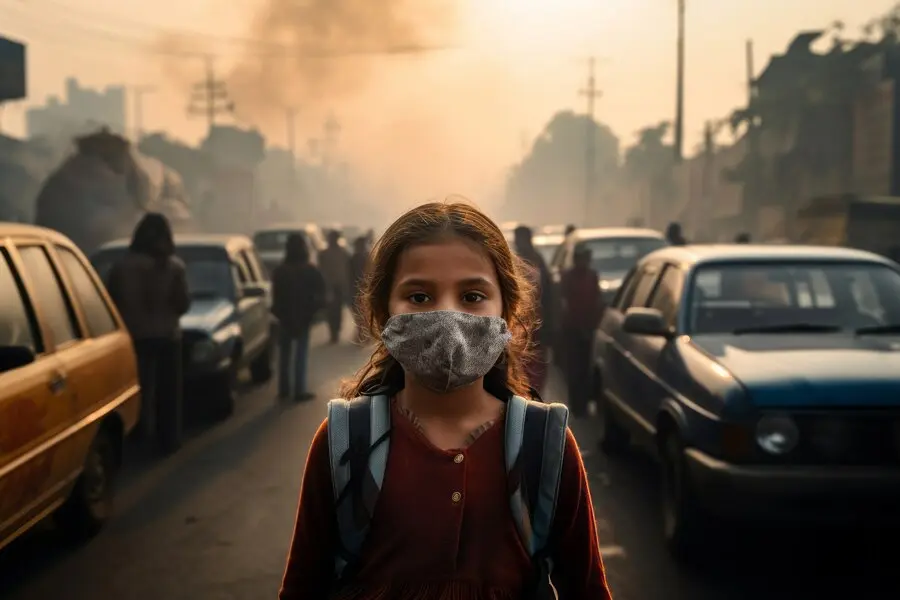
Winter brings a familiar set of respiratory health concerns, from persistent coughing and throat irritation to breathing difficulties and chest infections. However, as air quality deteriorates across several Indian cities, particularly in Delhi-NCR, doctors are raising concerns about another potential health risk: pneumonia.
While pneumonia is primarily caused by bacterial, viral or fungal infections, prolonged exposure to polluted air can compromise the lungs’ natural defence mechanisms, making people more susceptible to respiratory infections. Fine particulate matter, particularly PM2.5, can penetrate deep into the respiratory tract, trigger inflammation and interfere with the body’s ability to clear harmful microorganisms.
So, can air pollution cause pneumonia? How does poor AQI affect your lungs, and who needs to be particularly careful this winter? Pulmonologists explain the connection between air pollution, respiratory infections and pneumonia, along with precautions that can help protect your lungs.
Can Air Pollution Cause Pneumonia?
Air pollution does not directly cause pneumonia. However, exposure to high levels of pollutants can increase the risk of respiratory infections, including pneumonia, by weakening the lungs’ natural protective mechanisms.
Dr Sunny Kalra, Unit Head – Pulmonology, Max Hospital, Gurugram, explains that air pollution can impair the lungs’ natural defence capabilities, making individuals more vulnerable to bacterial and viral infections.
Similarly, Dr Abdul Raouf Wani, Associate Consultant, Pulmonology, Fortis Hospital, Jalandhar, highlights how exposure to smog and harmful particulate matter can interfere with the respiratory system’s ability to remove inhaled germs.
Pneumonia develops when infection-causing microorganisms reach the lungs and cause inflammation in the air sacs (alveoli). These air sacs may fill with fluid or pus, making breathing difficult and limiting the amount of oxygen entering the bloodstream.
According to the World Health Organization (WHO), pneumonia can be caused by bacteria, viruses or fungi. Environmental factors, including indoor air pollution and exposure to tobacco smoke, can also increase susceptibility to the infection.
How Does Poor AQI Affect Your Lungs?
The Air Quality Index (AQI) indicates the level of air pollution and the potential health risks associated with exposure. When AQI levels rise, the concentration of harmful pollutants in the air can increase, exposing the respiratory system to potentially damaging particles and gases.
Among these pollutants, PM2.5 is particularly concerning because its extremely small particles can penetrate deep into the lungs.
Dr Wani explains that the respiratory tract has a natural cleaning mechanism known as the mucociliary escalator. It consists of tiny hair-like structures called cilia, which help move mucus, dust and inhaled microorganisms out of the airways.
However, prolonged exposure to air pollution can impair this protective mechanism.
Here is how poor air quality can affect your lungs:
1. Damages the natural defence system of the lungs
Fine particulate matter can interfere with the functioning of cilia, making it harder for the respiratory tract to remove harmful particles and microorganisms. This can leave the lungs more vulnerable to infections.
2. Triggers inflammation in the airways
Pollutants such as PM2.5, PM10 and nitrogen dioxide can irritate the respiratory tract and trigger inflammation. This may cause persistent coughing, throat irritation, wheezing and breathing discomfort.
3. Affects the immune response
The lungs contain specialised immune cells called macrophages, which help identify and eliminate harmful microorganisms. Exposure to air pollutants can affect their ability to perform this protective function, potentially increasing susceptibility to infections.
4. Worsens existing respiratory conditions
People with asthma, chronic obstructive pulmonary disease (COPD) and other underlying lung conditions may experience worsening symptoms during periods of high pollution. Increased airway inflammation can make breathing more difficult and aggravate existing respiratory problems.
Why Does Pneumonia Risk Increase During Winter?
Winter can create conditions that worsen the effects of air pollution and increase the spread of respiratory infections.
In several northern Indian cities, low wind speeds, temperature inversions and unfavourable atmospheric conditions can trap pollutants close to the ground. This increases the duration of exposure to harmful particulate matter.
Additionally, people tend to spend more time indoors during colder months, often in crowded or poorly ventilated spaces. Respiratory viruses, including influenza and respiratory syncytial virus (RSV), can spread more easily in such settings.
Dr Wani explains that when the respiratory tract is already irritated by pollution, a subsequent viral or bacterial infection can pose an additional challenge to the lungs.
This combination of increased pollution exposure, respiratory infections and weakened natural defence mechanisms can make some individuals more vulnerable to pneumonia.
Who Is More Vulnerable to Pneumonia During High Pollution?
Although poor air quality can affect everyone, certain groups are more susceptible to its respiratory health consequences.
According to doctors, the following individuals should take additional precautions:
- Children below five years: Their lungs and immune systems are still developing, making them more vulnerable to respiratory infections.
- Senior citizens: Age-related changes in immunity and underlying health conditions can increase the risk of severe infections.
- People with asthma or COPD: Existing airway inflammation can worsen with exposure to particulate matter.
- Individuals with diabetes: Poorly controlled blood sugar and impaired immune responses can make infections more difficult to manage.
- People with heart conditions: Underlying cardiovascular problems can increase the complications associated with severe respiratory infections.
- Pregnant women: Pregnancy brings physiological and immune changes that warrant additional precautions against respiratory infections and air pollution.
- Smokers: Tobacco exposure can damage the respiratory tract’s natural protective mechanisms, increasing vulnerability to lung infections.
People who work outdoors, including traffic personnel, construction workers, street vendors and delivery professionals, may also face greater cumulative exposure to air pollution.
Pneumonia Symptoms: When Should You Be Concerned?
One of the biggest challenges is distinguishing pollution-related respiratory irritation from an actual lung infection.
While air pollution can trigger coughing, throat irritation, wheezing and breathlessness, pneumonia generally involves an infection and may present with additional symptoms.
Watch out for these warning signs:
- Persistent cough, which may produce mucus or phlegm.
- Fever accompanied by chills or sweating.
- Shortness of breath or difficulty breathing.
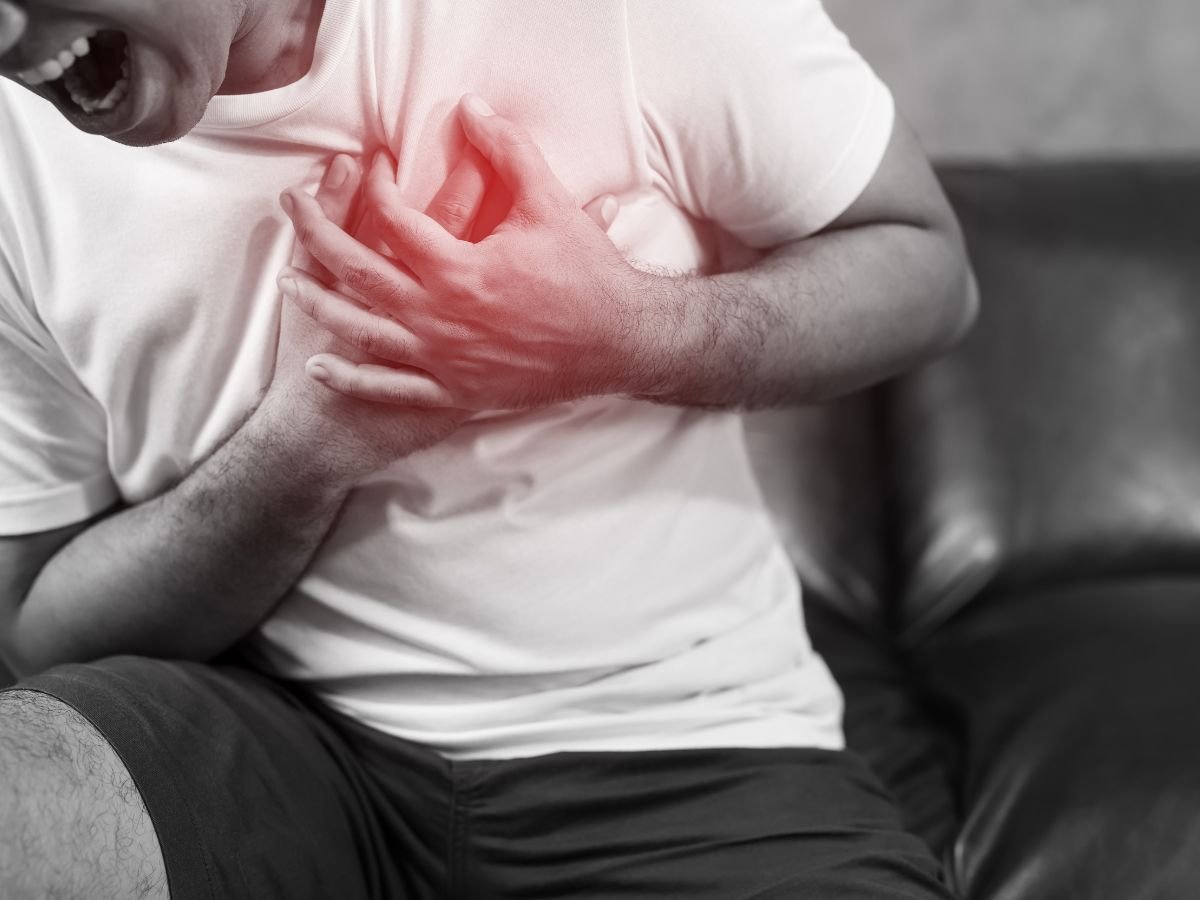
- Chest pain that may worsen while coughing or taking deep breaths.
- Unusual fatigue and weakness.
- Rapid breathing or increased heart rate.
- Loss of appetite.
In older adults, pneumonia may sometimes present with confusion, unusual drowsiness or a sudden decline in general health.
When to seek medical attention: Consult a doctor if you experience a persistent cough, fever with breathing difficulties, chest pain or worsening respiratory symptoms. Severe breathlessness, bluish lips, confusion or reduced consciousness require immediate medical attention.
Do not assume that a persistent cough or fever is simply an effect of winter pollution. A doctor may recommend a physical examination, oxygen saturation assessment, chest X-ray or other investigations depending on the symptoms.
How To Protect Your Lungs From Air Pollution This Winter
While you cannot completely eliminate exposure to outdoor pollution, certain precautions can help reduce its impact on your respiratory health.
Doctors recommend the following measures:
1. Check AQI before stepping outdoors
Monitor local air quality levels before planning outdoor activities. Avoid prolonged outdoor exercise, jogging or morning walks when pollution levels are poor, very poor or severe.
2. Wear a well-fitted N95 mask
A properly fitted N95 mask can help reduce exposure to fine particulate matter when you need to step outside. Ordinary cloth masks and scarves do not offer comparable protection against PM2.5.
3. Improve indoor air quality
Keep windows and doors closed during periods of high outdoor pollution. Consider using a HEPA air purifier, particularly in frequently occupied rooms, and maintain its filters according to the manufacturer’s instructions.
4. Avoid indoor sources of pollution
Smoking, burning wood or coal, using mosquito coils and burning other materials indoors can further compromise air quality. Avoid these activities, particularly in poorly ventilated spaces.
5. Maintain good respiratory hygiene
Wash your hands regularly, cover your mouth and nose while coughing or sneezing, and avoid close contact with people who have respiratory infections.
6. Stay hydrated and maintain a balanced diet
Drink adequate water and include protein-rich foods, fruits and vegetables in your daily diet. Good nutrition supports normal immune function, although no particular food or drink can prevent pneumonia.
7. Stay up to date with recommended vaccinations
Vaccination against influenza, pneumococcal disease and other vaccine-preventable respiratory infections can help reduce the risk of certain infections that may lead to pneumonia. Speak to your doctor about which vaccines are appropriate for your age and health condition.
Can You Prevent Pneumonia During Winter?
Pneumonia is not always preventable, but its risk and severity can be reduced through timely vaccination, good hygiene, adequate nutrition and reduced exposure to environmental pollutants.
The WHO recommends immunisation against infections such as pneumococcal disease, Haemophilus influenzae type b (Hib), measles and pertussis as part of childhood pneumonia prevention.
It is equally important to avoid tobacco smoke, reduce indoor air pollution and seek timely medical attention when respiratory symptoms develop.
Disclaimer: This article is for informational purposes only and is not a substitute for professional medical advice, diagnosis or treatment. Consult a qualified healthcare professional if you experience persistent respiratory symptoms or breathing difficulties.














Leave a comment