

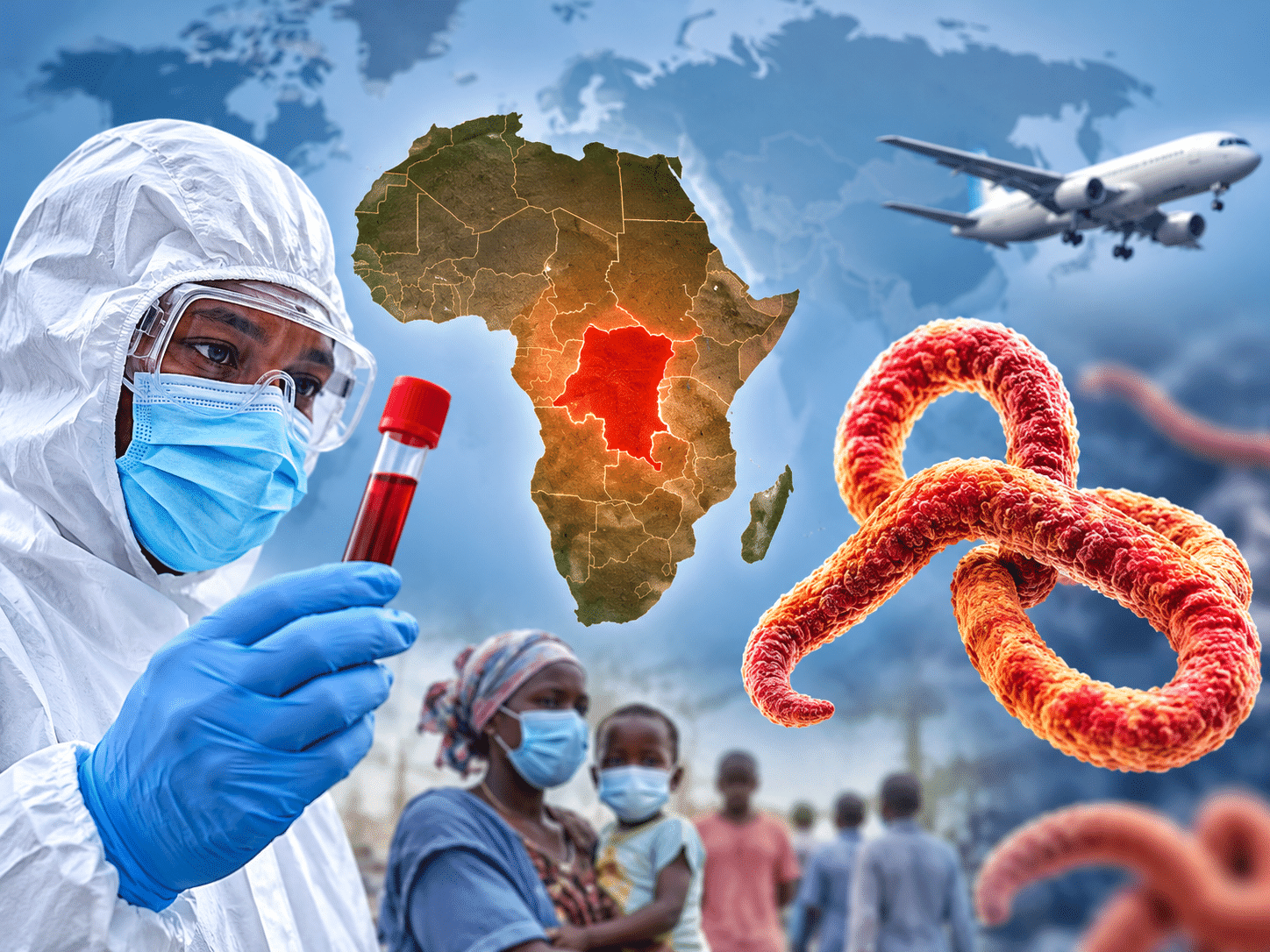
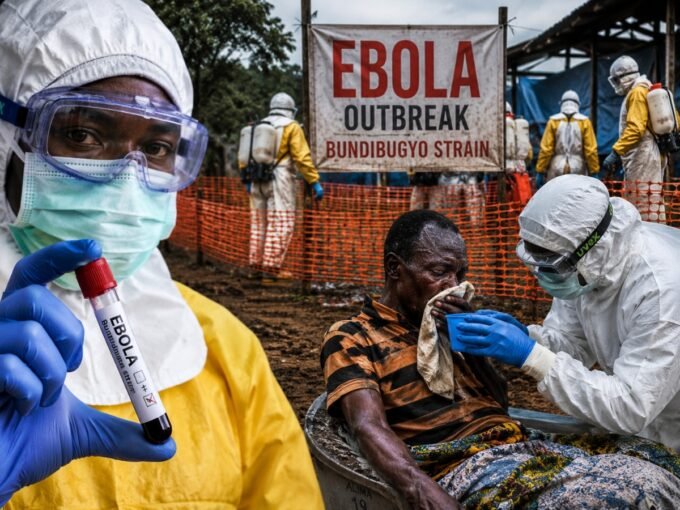
Ebola Outbreak In Congo: The Ebola outbreak in the Democratic Republic of the Congo (DRC) has crossed 11,000 confirmed cases, raising concerns about the spread of the deadly virus beyond Africa.
According to the latest figures released by Congolese health authorities on November 10, 2026, the country has reported 11,042 confirmed infections and 5,387 deaths. The outbreak, which began in May 2026, is caused by the Bundibugyo strain of the Ebola virus. Cases linked to the outbreak have also been reported in other countries, making international surveillance and preparedness increasingly important. However, the World Health Organization (WHO) has assessed the risk to countries outside the affected region as low based on the information available in its latest published assessment.
What Is Happening in the Ebola Outbreak?
The outbreak was declared on May 15, 2026, and has spread across eight provinces of the DRC. The situation has been particularly difficult to control in eastern regions such as Ituri and North Kivu, where conflict, poor healthcare access and difficulties in tracing infected people have affected response efforts.
The outbreak is caused by the Bundibugyo virus, a relatively rare type of Ebola virus. According to the latest reports, it is the second-largest Ebola outbreak recorded globally and the deadliest in the history of the DRC. More than 5,300 people have died, while thousands have recovered.
READ ALSO: Ebola Outbreak 2026: Over 10,000 Cases as Congo Struggles to Contain Virus
How Has Ebola Spread Beyond Congo?
The outbreak has been reported in several countries beyond the DRC, including Uganda, Kenya, Nigeria and France. However, not all these countries currently have active transmission.
According to the WHO’s November 11 update, Uganda and France had controlled their outbreaks. Kenya discharged its final Ebola patient on November 11 and began the required 42-day countdown towards being declared Ebola-free, provided no new cases are detected. Nigeria reported an imported case involving a Swiss citizen, who was subsequently evacuated to Switzerland for medical care.
These developments show why international travel surveillance, contact tracing and rapid diagnosis are important in preventing further spread.
Should India Be Worried About the Ebola Outbreak?
The spread of Ebola across multiple countries is a reason for India to remain alert, but it does not mean that the virus is spreading within the country. The latest WHO and CDC outbreak reports do not list India among the countries reporting cases linked to this outbreak.
The Indian government has already taken precautionary measures. In May 2026, the Ministry of Health and Family Welfare reviewed the country’s preparedness and announced enhanced surveillance at international airports and other points of entry. It also coordinated with the National Centre for Disease Control (NCDC), the Indian Council of Medical Research (ICMR), immigration authorities and state health departments.
The government also issued guidance on screening, quarantine, laboratory testing, hospital preparedness and infection prevention. These steps are intended to identify and manage any suspected imported case quickly.
READ ALSO: Ebola Outbreak 2026 Explained: Why the New Variant Has Global Health Agencies on High Alert
How Does the Ebola Virus Spread?
Ebola spreads primarily through direct contact with the blood or other body fluids of an infected person who is showing symptoms. These fluids may include vomit, saliva, urine, faeces and sweat. Infection can also occur through contaminated objects such as clothing, bedding, needles and medical equipment.
The virus can spread during the care of infected patients, particularly when appropriate protective measures are not followed. People may also become infected while handling the bodies of individuals who have died from Ebola, making safe burial practices essential.
Importantly, Ebola does not spread through the air in the same way as common respiratory infections such as influenza. Simply being in the same room or travelling in the same vehicle as an infected person does not automatically mean someone will become infected.
What Are the Early Symptoms of Ebola?
Ebola symptoms generally appear between 2 and 21 days after exposure to the virus. The illness often begins suddenly and may initially resemble other infections, making early medical assessment important.
Common symptoms include fever, severe headache, muscle pain, weakness, sore throat and extreme tiredness. Some patients may later develop vomiting, diarrhoea, abdominal pain and unexplained bleeding. Not everyone experiences bleeding, and it is not necessary for a person to have this symptom to be infected.
Anyone who develops a fever or other concerning symptoms after possible exposure to Ebola should seek immediate medical assessment and inform healthcare professionals about their travel history and possible contact with an infected person.
Is There a Vaccine or Treatment for This Ebola Strain?
One of the major challenges in controlling the current outbreak is that the Bundibugyo strain does not have an approved vaccine or specific antiviral treatment.
This is different from Ebola disease caused by the Zaire strain, for which approved vaccines and treatments are available. For Bundibugyo virus disease, treatment mainly involves supportive medical care, including fluids, maintaining oxygen levels, managing symptoms and treating complications.
Early diagnosis and access to appropriate medical care can improve a patient’s chances of recovery. Researchers and public health organisations are also working to evaluate potential vaccines and treatment options for this strain.
How Can People in India Stay Safe?
For the general public in India, there is no reason to panic. However, people travelling internationally, particularly to countries affected by the outbreak, should follow official travel and health advisories.
Avoid unnecessary travel to affected areas when advised by health authorities. If you have travelled to an affected region and develop fever or other symptoms within 21 days, contact a healthcare facility immediately and share your complete travel and exposure history. Do not visit hospitals without informing them about possible Ebola exposure, as this allows medical teams to take appropriate precautions.
Healthcare workers should follow infection prevention protocols, use appropriate protective equipment and ensure safe handling of suspected cases. Public awareness, early reporting and responsible travel practices are important for preventing the spread of infectious diseases.
Why Is the Ebola Outbreak Difficult to Control?
Several factors have made the current outbreak particularly challenging. Armed conflict in eastern Congo has restricted access to some affected communities and healthcare facilities. Shortages of medical supplies, limited healthcare infrastructure and delays in identifying infected people have also affected containment efforts.
The WHO has reported that more than 1,000 contacts have been lost to follow-up, while attacks on healthcare workers and medical facilities have disrupted response activities. These challenges make it harder to identify new infections, isolate patients and prevent further transmission.
The Ebola outbreak crossing 11,000 cases in the Democratic Republic of the Congo is a serious international health concern. Its spread to other countries highlights the importance of strong disease surveillance, early diagnosis and coordinated public health action. For India, the latest available reports do not indicate a confirmed case linked to this outbreak, but continued preparedness remains important. People should stay informed, follow official travel advisories and avoid unnecessary panic. Early detection and responsible public health measures are essential to prevent the virus from spreading further.
Disclaimer: This article is for general health awareness and does not replace professional medical advice. For the latest travel and health guidance, follow updates from the Ministry of Health and Family Welfare and the WHO.











Leave a comment