

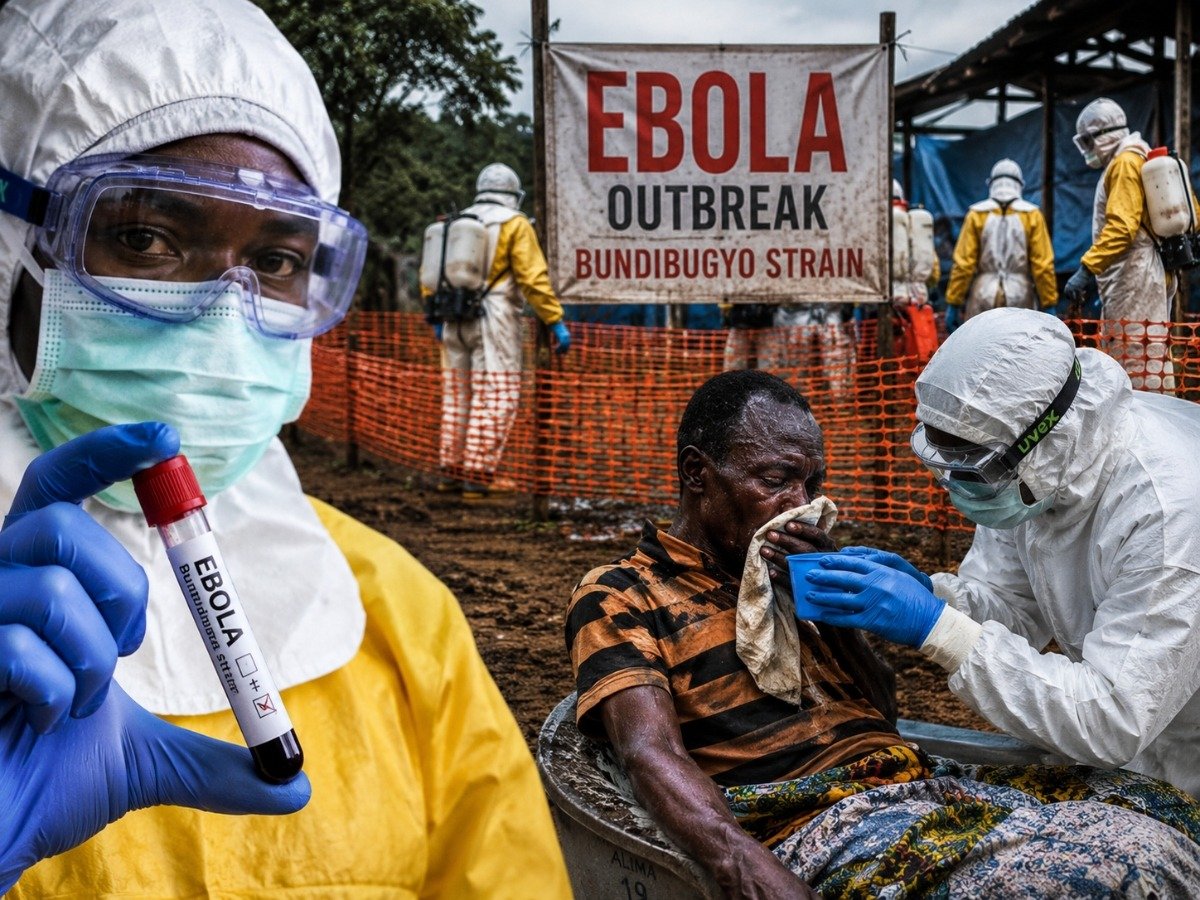
The Ebola outbreak in the Democratic Republic of Congo (DRC) has crossed 10,000 confirmed cases, with nearly half of those infected dying as health authorities struggle to contain the rapidly spreading virus. The outbreak, driven by the rare Bundibugyo virus, is becoming a major public health emergency, with around 80% of new cases emerging outside known contact networks.
According to figures reported on October 27, 2026, Congo has recorded more than 10,000 confirmed infections of the highly contagious Ebola virus, and nearly 5,000 deaths. The outbreak, first declared in May 2026, has spread across multiple health zones and provinces, putting enormous pressure on the country’s healthcare system.
Health authorities are facing significant challenges in identifying new infections, tracing contacts and ensuring that patients receive timely medical care.
Ebola Outbreak in Congo: 80% of Cases Outside Known Contact Networks
One of the biggest concerns for health authorities is the growing number of infections that cannot be linked to people already under medical surveillance.
Approximately 80% of recorded cases in Congo are emerging outside monitored contact networks, indicating that several transmission chains remain undetected.
Contact tracing is a critical part of controlling Ebola outbreaks. Health workers identify people who have been exposed to infected individuals and monitor them for symptoms during the incubation period.
However, when most new infections occur outside known networks, identifying the source of transmission becomes increasingly difficult. This creates additional challenges for surveillance teams trying to prevent further spread.
Bundibugyo Virus: Why Is the 2026 Ebola Outbreak Difficult to Control?
The current outbreak is caused by the Bundibugyo virus, a rare species of Ebola that presents significant challenges for public health authorities.
Unlike more commonly reported Ebola outbreaks caused by the Zaire species, Bundibugyo Ebola has fewer established medical interventions.
The virus can cause severe illness, with early symptoms including fever, headache, fatigue, muscle pain and weakness. As the disease progresses, patients may develop vomiting, diarrhoea and other serious complications.
Delayed diagnosis and limited access to healthcare facilities are making containment more difficult, particularly in remote and conflict-affected areas.
Ebola Vaccine: No Approved Vaccine for the Bundibugyo Virus
The lack of an approved vaccine specifically targeting the Bundibugyo virus is another major challenge.
The Ervebo vaccine is licensed against the Zaire species of Ebola, but its effectiveness against Bundibugyo virus infection has not been established.
Researchers have begun evaluating vaccine candidates to address this gap. However, their safety and effectiveness will need to be established through clinical trials.
There is also no approved virus-specific antiviral treatment for Bundibugyo Ebola. Medical care primarily focuses on supportive treatment, including maintaining hydration, managing complications and providing intensive monitoring to improve patients’ chances of survival.
The absence of an approved vaccine makes early diagnosis, isolation, infection prevention and community-level surveillance particularly important.
Congo Ebola Outbreak: Conflict and Mistrust Hamper Response Efforts
Health authorities are struggling to control the outbreak amid armed conflict, poor road infrastructure and growing resistance from affected communities.
Insecurity in eastern Congo has made it difficult for medical teams to reach vulnerable populations. Violence and attacks against healthcare workers have further disrupted emergency response activities.
Community mistrust and misinformation are also preventing some people from reporting symptoms or seeking medical attention.
In several affected areas, families remain reluctant to allow sick relatives to be taken to treatment centres or cooperate with safe burial procedures.
Healthcare workers are also facing difficult working conditions, including shortages of supplies and delays in payments. These challenges are weakening the overall response.
Deaths occurring outside healthcare facilities remain a serious concern, highlighting the consequences of delayed diagnosis and limited access to medical care.
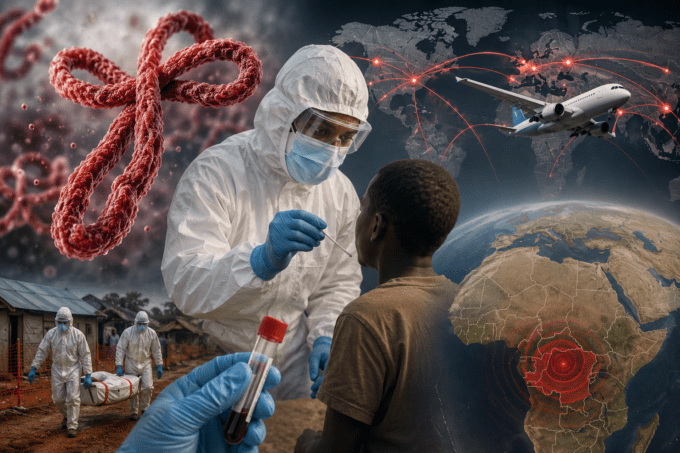
Ebola Spreads Beyond Congo as African Countries Report Cases
The outbreak has raised concerns about cross-border transmission, with infections reported in multiple countries.
Kenya confirmed an imported Bundibugyo virus case in October involving a person who had travelled from Congo through Uganda. The patient subsequently died.
Other countries have also reported cases associated with the outbreak, increasing concerns about regional transmission.
The spread across multiple countries has highlighted the importance of cross-border cooperation, airport and border surveillance, and rapid identification of suspected infections.
African health authorities are working to strengthen coordination and develop a more unified response to the growing public health emergency.
Ebola Outbreak Disrupts Healthcare Services in the Democratic Republic of Congo
With more than 10,000 confirmed infections and around 80% of cases emerging outside monitored contact networks, Congo faces a critical challenge in bringing the epidemic under control.
The growing outbreak highlights the importance of early detection, effective contact tracing and international cooperation in responding to emerging infectious diseases.
Until transmission chains are identified more effectively and affected communities receive timely medical support, containing the Bundibugyo Ebola outbreak will remain a major public health challenge.
Follow HealthWireMedia.com for all the latest health news and developments from around the world.











Leave a comment