

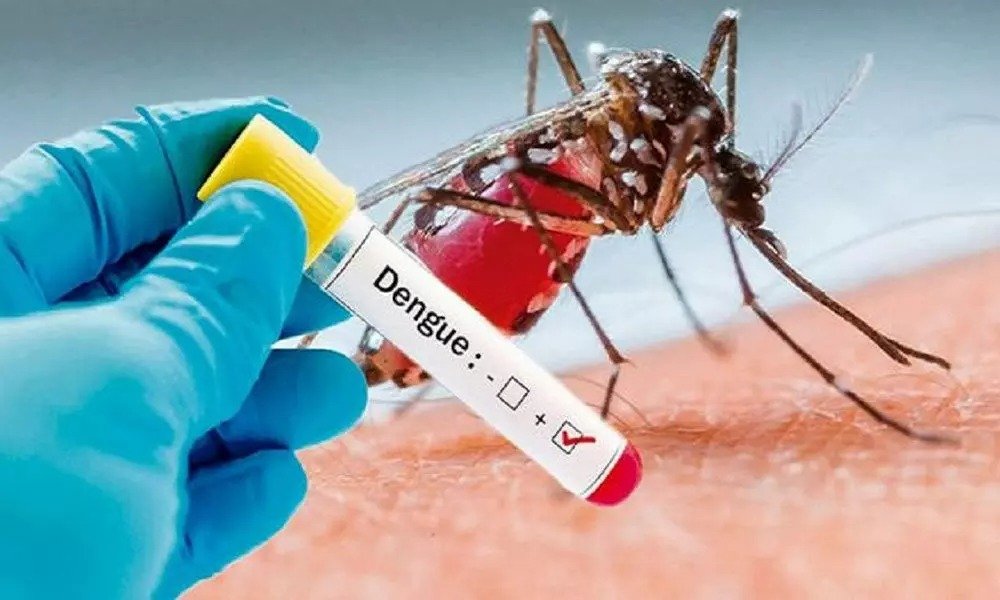
A positive dengue test can be worrying, especially when fever, body aches and weakness begin to take a toll. However, timely medical advice, adequate hydration and careful monitoring can help most people recover safely.
Dengue is a mosquito-borne viral infection that can cause symptoms ranging from mild fever to severe illness. There is currently no specific antiviral medicine that cures dengue, so treatment focuses on managing symptoms, preventing dehydration and recognising complications early.
If you have tested positive for dengue, here are the important steps to take next.
1. Consult a doctor and understand your test results
The first thing to do after testing positive for dengue is consult a qualified healthcare professional. Your doctor will assess your symptoms, hydration status, medical history and risk factors to determine whether you can recover at home or need hospital observation.
Different dengue tests are useful at different stages of the illness. Your doctor may recommend blood tests, including a complete blood count (CBC) and haematocrit measurement, depending on your condition.
Do not interpret your platelet count in isolation. A falling platelet count can be important, but it does not by itself determine how severe dengue is or whether a platelet transfusion is needed. Your symptoms, examination and other test results matter too.
2. Drink enough fluids to prevent dehydration
Fever and vomiting can lead to fluid loss, making hydration an important part of dengue recovery.
Depending on your condition and your doctor’s advice, suitable fluids may include:
- Oral rehydration solution (ORS)
- Water
- Soups and broths
- Other appropriate fluids that you can tolerate
Take frequent sips if you feel nauseated. Monitor whether you are passing urine regularly, as reduced urine output may indicate dehydration or a worsening condition.
People with kidney disease, heart disease or other conditions that require fluid restriction should ask their doctor how much fluid is safe for them. Do not force excessive fluids or start intravenous fluids without medical guidance.
3. Take adequate rest and avoid strenuous activity
Dengue can cause significant fatigue, headaches, muscle aches and weakness. Give your body time to recover by getting adequate sleep and avoiding strenuous exercise, heavy lifting and demanding physical activity while you are unwell.
Even after the fever settles, weakness may continue for several days or weeks. Return to your usual routine gradually, based on how you feel and your doctor’s advice.
4. Choose fever medicines carefully
For fever and body pain, doctors commonly recommend paracetamol (acetaminophen) when appropriate. Follow your doctor’s instructions regarding the dose, and do not exceed the recommended amount.
Avoid aspirin, ibuprofen, mefenamic acid and other non-steroidal anti-inflammatory drugs (NSAIDs) unless your treating doctor specifically advises otherwise. These medicines can increase the risk of bleeding in dengue.
Do not self-medicate with antibiotics, steroids or other prescription medicines. Antibiotics do not treat the dengue virus, and unnecessary medication can cause harm.
5. Watch for warning signs—even when the fever goes away
One of the most important things to understand about dengue is that the risk of complications can increase around the time the fever subsides. A lower temperature does not always mean the illness is over.
Seek emergency medical attention immediately if you notice any of the following:
- Severe or persistent abdominal pain
- Repeated vomiting or inability to keep fluids down
- Bleeding from the nose or gums
- Blood in vomit or stools, or black, tarry stools
- Unusual drowsiness, confusion, restlessness or extreme weakness
- Rapid or difficult breathing
- Pale, cold or clammy skin
- Markedly reduced urine output
Do not wait for the next scheduled blood test if these symptoms develop. Severe dengue can progress quickly and requires urgent medical care.
6. Follow your doctor’s advice on monitoring and blood tests
Your doctor may recommend repeat blood tests and clinical reviews based on the stage of your illness and your symptoms. Monitoring may include platelet counts, haematocrit, vital signs, fluid intake and urine output.
There is no single platelet number that can safely replace a complete clinical assessment. Decisions about hospital admission, intravenous fluids or blood products should be made by the treating medical team.
Follow-up is particularly important around the time the fever settles, when warning signs of severe dengue may appear.
7. Protect yourself and your family from mosquito bites
Dengue does not usually spread directly from one person to another. However, a mosquito can bite an infected person and subsequently transmit the virus to someone else.
During the first week of illness, take steps to avoid mosquito bites:
- Use an appropriate mosquito repellent according to its label.
- Wear clothing that covers your arms and legs.
- Use window screens and mosquito nets where appropriate.
- Remove stagnant water from containers, coolers, pots and other areas around the home.
These precautions help reduce the chance of mosquitoes transmitting the virus to others.
Who is at greater risk of severe dengue?
Some people may need closer medical monitoring, including pregnant women, infants, older adults and people with conditions such as diabetes, kidney disease or heart disease.
People who have had dengue previously may also be at increased risk of severe illness during a subsequent infection.
If you fall into one of these groups, contact your doctor promptly after diagnosis rather than relying on home care alone.
How long does dengue recovery take?
Many people with uncomplicated dengue recover within one to two weeks. Fever and other acute symptoms often last several days, but fatigue and reduced stamina can persist for longer.
Recovery varies from person to person. Adequate rest, appropriate fluids, medical follow-up and early recognition of warning signs are more important than trying unproven remedies or supplements.
Can dengue be treated at home?
Some people with dengue can safely recover at home if they have no warning signs, can drink enough fluids, are passing urine normally and can attend regular medical follow-ups. Others may require hospital observation or treatment.
The decision should be made with a healthcare professional. If warning signs develop, seek emergency care immediately.
Follow HealthWireMedia.com for all the latest health news and developments from around the world.














Leave a comment