

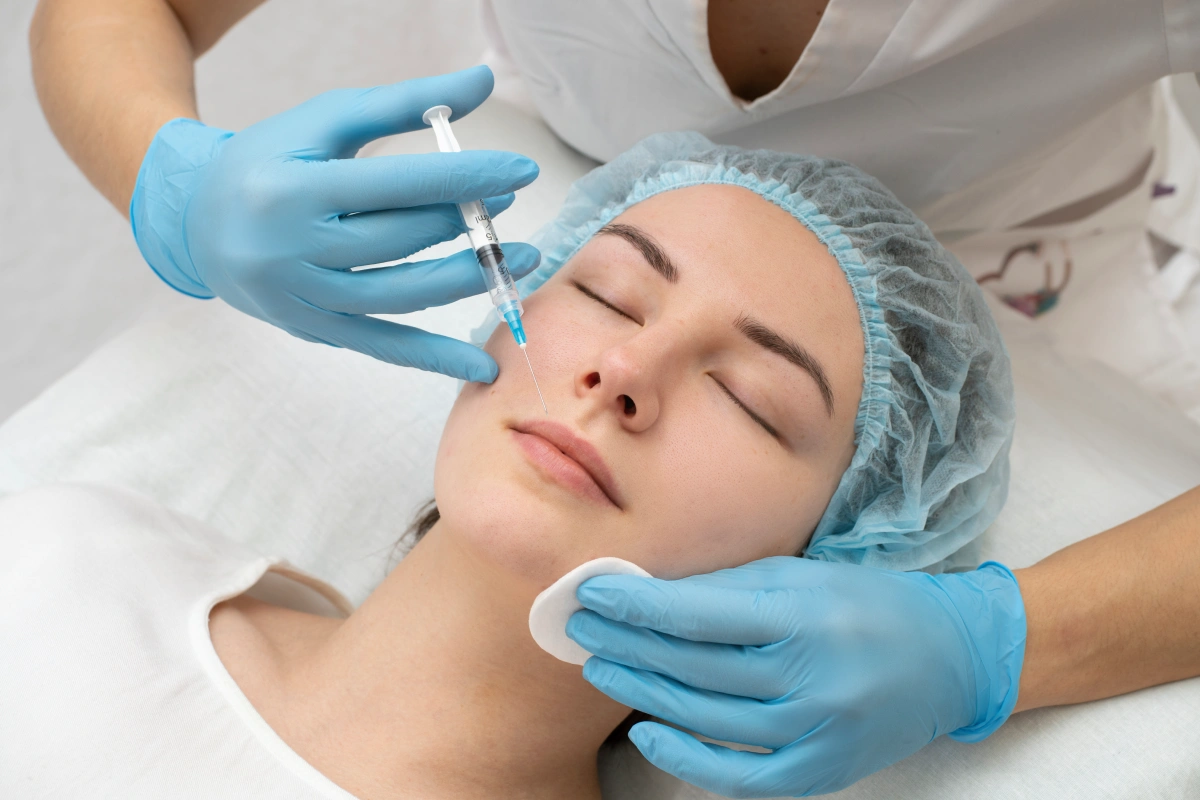
When it comes to ageing, the conversation shifts from correction to prevention. Increasingly, people in their 20s and 30s are exploring subtle treatments designed to slow the earliest visible signs of ageing. Dermatologists say this reflects a broader change in mindset, one where preventive care, long embedded in wellness routines, is beginning to shape aesthetic medicine as well.
What is preventive botox and how does it work?
According to Dr Priyanka Sharma, Co-founder, Director and Chief Dermatologist at V6 Clinics, “At the centre of this change is preventive Botox, a treatment designed not to dramatically alter appearance but to gently manage the muscle movements that eventually lead to wrinkles. Instead of correcting deeply etched lines, the focus lies in softening repetitive expressions before they become permanent.”
The doctor said that the appeal lies in its understated results. When administered conservatively, preventive botox works quietly beneath the surface, preserving natural expressions while helping the skin remain smoother for longer.
The moment when expression lines first appear
The earliest signs of ageing rarely show up as deep wrinkles. They usually begin as faint creases that appear during facial movement when the eyebrows lift in surprise, the forehead folds in concentration, or the eyes narrow against bright light. Dermatologists refer to these as dynamic lines because they form only during expression.
Why is preventive botox popular among young adults?
Interest in preventive Botox is part of a larger trend: younger generations are taking a proactive approach to self-care. They focus on long-term health, skincare and wellness, emphasising prevention and maintenance rather than waiting to fix problems later.
Aesthetic medicine is catching up to this new mindset. Increasingly, individuals are opting for subtle treatments, preferring to preserve their inherent appearance as the years go by, while postponing drastic alterations.
Treatments are fast, minimally invasive and require little downtime, making them easy to incorporate into modern lifestyles. Subtle, natural-looking results also reflect the current preference for aesthetic minimalism, favouring discreet improvements over overt alterations.
Importance of safe and balanced botox treatment
Even as preventive Botox grows in popularity, it must be used thoughtfully. Facial muscles are key to expression and communication, so careful dosing is essential to maintain natural movement. Experts emphasise that treatment plans should always be customised, considering facial structure, muscle strength as well as the presence of early signs of ageing.
A conservative strategy, frequently employing smaller, well-placed doses, can help preserve equilibrium and lessen the repetitive muscle contractions that lead to premature wrinkles. Administered by skilled professionals, preventive Botox can be a valuable addition to a comprehensive skincare regimen, which should also include sun protection, proper hydration, and treatments designed to boost collagen.
The secret is moderation. Preventive treatments are most effective when they enhance natural features rather than overpower them.
Future of anti-ageing: Early prevention
Preventive Botox reflects a broader transformation in how ageing is understood and approached. Instead of waiting for visible signs to appear and then correcting them, many individuals now prefer gradual strategies that help maintain skin quality earlier in life.
This shift signals a move away from dramatic cosmetic interventions toward subtle, ongoing care. Early treatments, when performed thoughtfully, can slow the formation of wrinkles while preserving the individuality of facial expressions.
Disclaimer: Dear readers, this article provides general information and advice only. It is not at all professional medical advice. Therefore, always consult your doctor or a healthcare specialist for more information.














Leave a comment