Breast Cancer and Fertility: Can Women Still Become Mothers After Treatment? What to Know About Fertility Preservation
A breast cancer diagnosis does not necessarily mean giving up the dream of motherhood. While chemotherapy and hormone therapy can affect ovarian function...
 Satata Karmakar5 Mins read

Broken Heart Syndrome Is Real: Doctor Explains Why Emotional Stress Can Trigger Heart Attacks
When we hear the phrase “broken heart,” most of us think of heartbreak, sadness, or the end of a relationship. But medical science...
Satata Karmakar2 Mins read
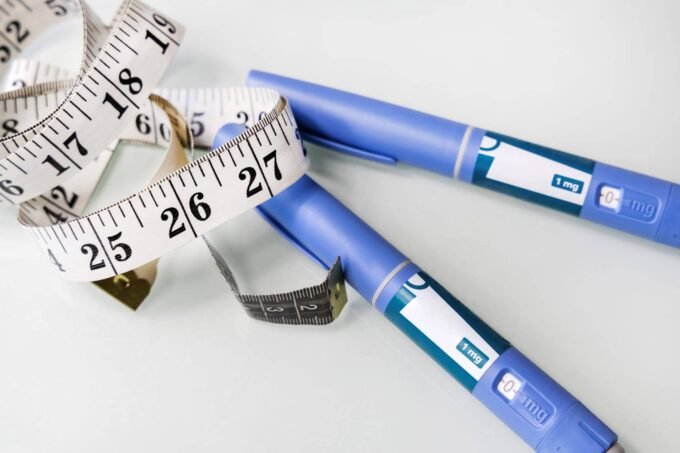
FDA Warns of Rare Vision Loss Risk Linked to Ozempic, Wegovy and Other GLP-1 Drugs
The US Food and Drug Administration (FDA) has issued a new safety warning about a potential increased risk of a rare but serious...
Satata Karmakar4 Mins read
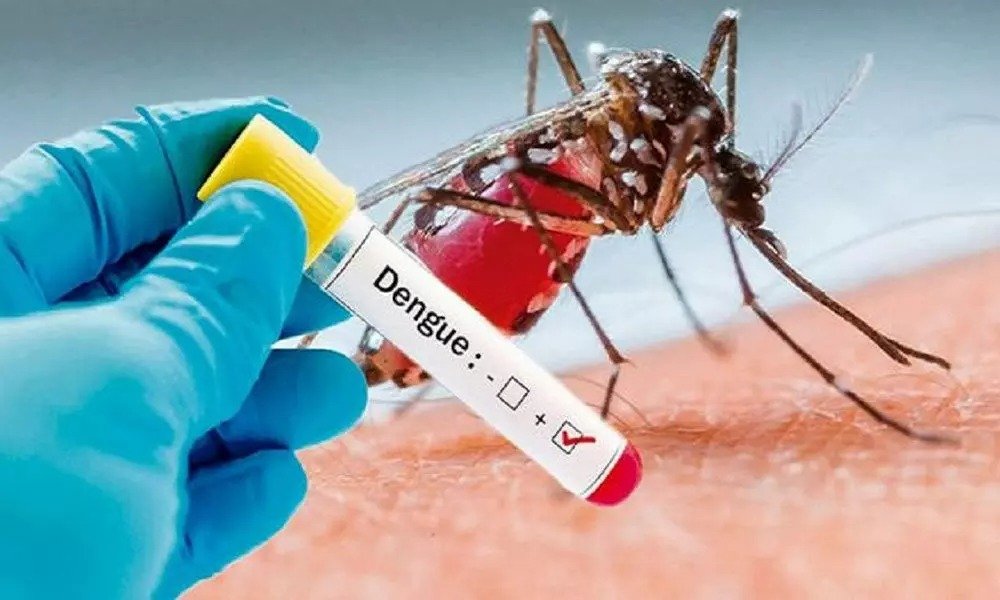
Dengue in India: Early Symptoms and Prevention Strategies
Dengue is a mosquito-borne viral infection that continues to be a major public health concern in India. With seasonal outbreaks, particularly during the...
Satata Karmakar2 Mins read

AI in Healthcare: How Technology Is Changing Diagnosis and Treatment
Artificial intelligence (AI) is rapidly transforming healthcare, reshaping how diseases are detected, diagnosed, and treated. From analysing medical images to predicting disease risk...
Satata Karmakar2 Mins read
Does Every Breast Lump Mean Cancer? Understanding When a Biopsy Is Needed
Breast cancer is now the most common cancer among women, accounting for more than 178,000 new cases annually. Yet nearly 60% of women...
Satata Karmakar3 Mins read
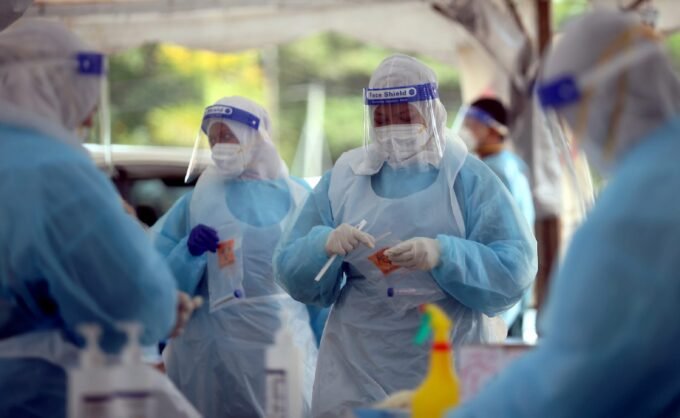
New Covid-19 Strain PJ.2.1 May Mimic Cold or Flu Symptoms: WHO Warns
New COVID-19 Variant PJ.2.1: The World Health Organisation (WHO) says symptoms of COVID-19, influenza and other respiratory infections can overlap, making testing important...
Satata Karmakar3 Mins read
5 Simple Yoga Asanas to Boost Immunity Against Dengue And Malaria
A strong immune system plays an important role in protecting overall health. Along with proper medical care and good hygiene, yoga can support...
Satata Karmakar2 Mins read