


New COVID-19 Variant PJ.2.1: The World Health Organisation (WHO) says symptoms of COVID-19, influenza and other respiratory infections can overlap, making testing important to identify the cause of illness. Here is what is known about the PJ.2.1 sublineage and what people should watch for.
A new COVID-19 sublineage, PJ.2.1, is being monitored amid reports of its increasing spread, with the World Health Organization (WHO) cautioning that its symptoms may be difficult to distinguish from those of the common cold or flu.
According to reports quoting the WHO, the organisation has stressed that symptoms of COVID-19, influenza and other respiratory infections can overlap. This means it is not possible to identify the virus responsible for an illness based on symptoms alone. Testing may be necessary, particularly when knowing the cause of infection could influence treatment decisions or public health measures.
The WHO has also said it is closely monitoring the spread of the sublineage.
What Is the COVID-19 Variant PJ.2.1?
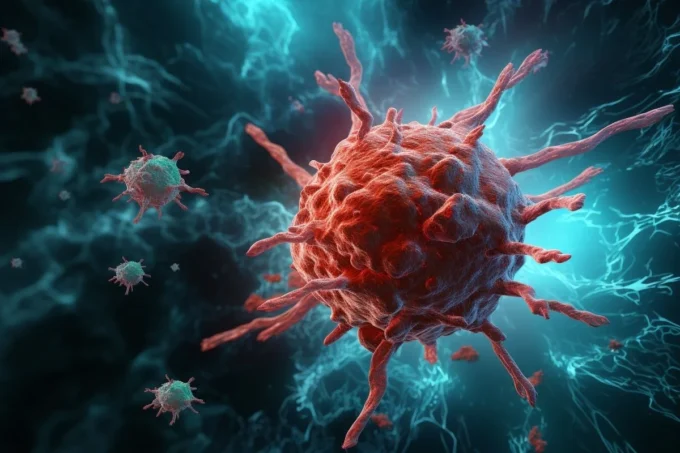
PJ.2.1 is a sublineage of the Omicron-descendant JN.1 lineage of SARS-CoV-2, the virus that causes COVID-19. Like other SARS-CoV-2 lineages, it is part of the virus’s ongoing evolution.
The WHO’s COVID-19 variant surveillance system tracks JN.1 as a variant of interest, alongside other lineages under monitoring. Regional surveillance reports have also identified PJ.2.1 in wastewater and genomic samples.
However, the identification of a new sublineage does not automatically mean that it causes more severe disease or poses a greater health risk. Its spread and potential impact need to be assessed through ongoing surveillance and scientific evidence.
Can PJ.2.1 Symptoms Be Mistaken for a Cold or Flu?
Yes. Respiratory infections often share symptoms, making it difficult to tell them apart without testing.
Depending on the infection, symptoms may include:
- Sore throat
- Cough
- Runny or blocked nose
- Fever or chills
- Headache
- Body aches
- Tiredness or fatigue
- Breathing difficulties
An infectious disease specialist quoted in recent reports has also pointed to severe sore throat and prolonged fatigue after illness as possible features associated with PJ.2.1. However, these symptoms are not unique to this sublineage and cannot confirm an infection.
Why Is COVID-19 Testing Important?
Since COVID-19, influenza and other respiratory infections can present similarly, testing can help establish the cause of illness. This is particularly important for people at higher risk of complications, as an accurate diagnosis can help doctors decide on appropriate treatment.
A healthcare professional may recommend testing based on symptoms, exposure history, local infection trends and individual risk factors. Depending on the circumstances, this may involve a COVID-19 test, an influenza test or testing for other respiratory pathogens.
People should avoid self-diagnosing based only on symptoms or assuming that a sore throat and fever are necessarily caused by a common cold.
Who Is at Higher Risk of Severe COVID-19?
Although COVID-19 continues to evolve, the risk of severe illness remains higher for certain groups. These include older adults, people with weakened immune systems and those with underlying health conditions.
People in these groups should seek medical advice if they develop symptoms suggestive of COVID-19, particularly if symptoms worsen. Difficulty breathing, persistent chest pain or pressure, new confusion or an inability to stay awake require urgent medical attention.
How Can You Protect Yourself From COVID-19?
Basic precautions can help reduce the spread of respiratory infections:
- Stay home and limit close contact with others when unwell.
- Wear a well-fitting mask in crowded or poorly ventilated spaces, especially when respiratory infections are circulating.
- Maintain good hand hygiene and cover coughs and sneezes.
- Improve ventilation by opening windows where possible.
- Follow local health guidance on COVID-19 vaccination, particularly if you belong to a higher-risk group.
- Seek medical advice if symptoms are severe, persistent or worsening.
What Should You Know About the New COVID-19 Sublineage?
The emergence of PJ.2.1 is a reminder that SARS-CoV-2 continues to change. However, reports of a new lineage should not be a reason for panic. At present, the important message from health authorities is that symptoms alone cannot reliably distinguish COVID-19 from flu or other respiratory infections.
Testing, timely medical advice and continued surveillance remain important. For people at higher risk, recognising symptoms early and seeking appropriate care can help reduce the chances of complications.
Follow HealthWireMedia.com for all the latest health news and developments from around the world.












Leave a comment