

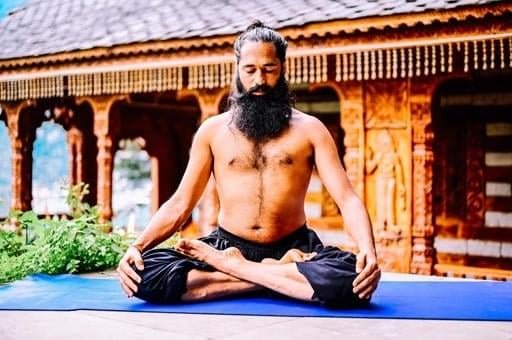
Health comes from habits, balanced routines and a calm, peaceful mind. Emotional wellness is a vital part of overall wellness, and is important along with physical activity and nutritious food. The mind, body and breath are interdependent in yogic philosophy. A calm and balanced mind ensures harmonious and vibrant working of the body. This is the reason why yoga has come to be an integral part of long term health and a healthy lifestyle.
Why Stress Management Through Yoga Is Essential for Chronic Disease Prevention
Yoga is a combination of different movements, breathing techniques, and practice of the mind that aims to create a balance among the body, the mind and the emotions. Regular practice will help you develop flexibility, circulation, posture and overall well-being, and will set you up for a solid base for the rest of your life.
In this article, Himalayan Siddhaa Akshar, Author, Columnist, Founder at Akshar Yoga Kendraa, helps us understand the role of yoga in managing the mind and keeping the body healthy.
1. Siddha Abhyas
Formation
Siddha Abhyas is an ancient sequence of the Himalayas, which includes gentle movements, conscious breathing and focused awareness. The individual movements are fluid and connected with each other, and the body remains upright and the breathing relaxed. All movements in this sequence are done with full focus on the relationship of the movement and the breath.
Benefits
Siddha Abhyas helps maintain good circulation, increases flexibility and increases efficiency in breathing. The synchronised movement and breathing brings calmness to the mind and helps to steady emotions. The importance of continuing practice is that it results in physical well being, mental purity and a harmonizing of energies throughout the body.
Do’s and Don’ts
Train in a conducive setting in comfortable attire. Move slowly with natural breathing and concentrate on smooth and continuous movements, not on speed.
2. Balasana (Child’s Pose)
Formation
Sit back on the heels, on the floor. Fold upper body forward, arms extended forward or arms held next to body. Leave forehead flat on floor and breathe slowly.
Benefits
Balasana stretches the back, hips and shoulders gently and promotes relaxation. It provides comfort, facilitates breathing and helps to calm emotions. Regular exercise refreshes the mind and body.
Do’s and Don’ts
Shoulders should be relaxed, and breathing should be normal. Gently sink in to the pose, and keep your body in a comfortable place during the entire practice.
3. Viparita Karani (Legs-Up-the-Wall Pose)
Formation
While lying comfortably on your back, sit next to a wall and slowly push both legs up the wall. Place arms against body, with palms facing up and close eyes.
Benefits
Viparita Karani promotes good blood circulation, relaxation of the legs and deep relaxation of the body and mind. It’s great for a calm mind after being on the go throughout the day. There is a sense of lightness and renewed energy with regular practice as well.
Do’s and Don’ts
Relax the body while practicing the pose and engage in relaxed breathing. Apply a folded blanket under the hips (if extra support is needed).
Creating Wellness in One’s Daily Life.
The mantra of yoga is that consistency is the key to health over the long haul. A few moments of conscious breathing, physical activity and relaxation daily can make a difference to the comfort of body and mind. A balanced routine helps to encourage healthy activities for healthy living across the lifespan.
Managing stress is an important part of creating a healthy and balanced life. Yoga is a natural journey to find calmness, strength and harmony. Asanas such as Siddha Abhyas, Balasana and Viparita Karani, help to relax, clarify and calm the mind, body and emotions. Through practice, individuals can build a strong foundation for their general health and wellness, and live a life of strength, vitality and positivity.















Leave a comment