

Bangladesh is witnessing a sharp rise in dengue infections, with the country recording its highest number of new dengue cases in a single day this year. Eight people also died from the mosquito-borne disease in the latest 24-hour reporting period, marking the second-highest single-day death toll of the year.
1,733 New Cases Reported in a Day
According to the latest health authorities’ data, 1,733 new dengue patients were hospitalised in the 24 hours leading up to Monday morning. This is the highest daily number of dengue cases recorded in Bangladesh so far this year.
With the latest infections, the country’s total number of dengue cases this year has climbed to 53,570, while the overall death toll has reached 157.
The latest figures highlight the rapidly worsening dengue situation as hospitals continue to see a growing number of patients requiring treatment.
Eight More Deaths Reported
Eight people died from dengue during the latest 24-hour period. Three deaths were reported from Dhaka South City Corporation and another three from the Chattogram division. One death each was recorded in Mymensingh and Dhaka North City Corporation.
Men account for around 63.6 percent of the dengue deaths recorded so far this year, while women account for 36.4 percent.
The latest death toll is the second-highest daily figure recorded this year. On September 8, nine people died from dengue in a single day, marking the highest number of deaths reported in a 24-hour period so far this year.
Dengue Cases Rising Rapidly in September
The latest surge comes after several consecutive increases in daily dengue hospitalisations.
Earlier this month, 1,558 patients were hospitalised within 24 hours, setting a daily record at the time. Since then, the number of new infections has continued to rise, with daily hospital admissions repeatedly crossing the 1,000-mark.
The rapid increase during September has raised concerns about the scale of dengue transmission across different parts of Bangladesh.
Thousands of Patients Recover
Despite the growing number of infections, a large number of patients have recovered after receiving treatment.
So far, 49,375 dengue patients have been discharged from hospitals. However, the continuing rise in new cases means healthcare facilities remain under pressure to accommodate and treat incoming patients.
The increasing number of hospitalisations also highlights the importance of early diagnosis and timely medical care, particularly for patients who develop warning signs of severe dengue.
Mosquito Control Remains Crucial
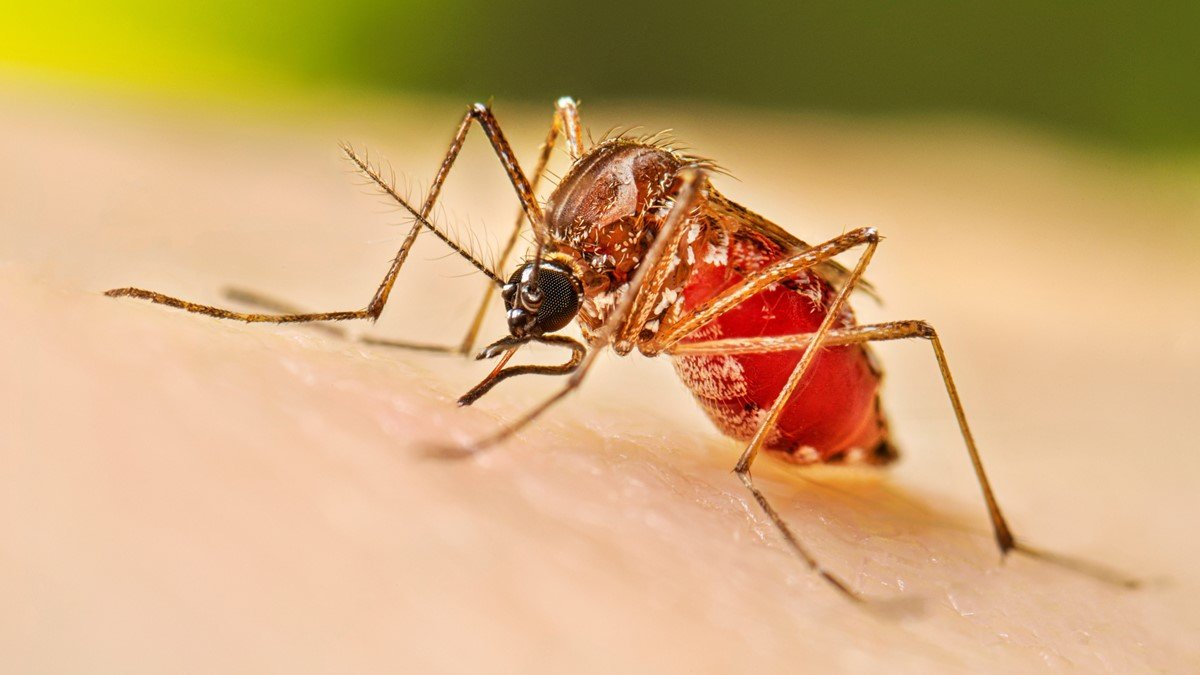
Dengue is primarily transmitted through infected Aedes mosquitoes, which can breed in stagnant water found around homes, buildings and other populated areas.
Health authorities have repeatedly stressed the importance of eliminating mosquito breeding grounds. Removing standing water, keeping water containers covered and maintaining clean surroundings can help reduce mosquito populations.
Residents are also being urged to remain alert to symptoms such as high fever, severe headache, muscle and joint pain, nausea and other signs associated with dengue, and to seek medical attention when necessary.
Government Steps Up Prevention Efforts
The sharp increase in infections has renewed pressure on authorities to strengthen dengue prevention and mosquito-control measures.
A nationwide three-month dengue prevention campaign has also been announced as the government attempts to contain the spread of the disease.
With infections rising rapidly across multiple areas, sustained mosquito-control operations, public awareness and adequate hospital preparedness will be important in preventing further deaths.
Situation Remains a Major Health Concern
With more than 53,000 cases and 157 deaths recorded so far this year, Bangladesh is facing a serious dengue challenge.
The latest record in daily infections, combined with the second-highest daily death toll, underscores the urgency of controlling mosquito breeding and ensuring patients receive timely treatment.
As dengue transmission continues to increase, health authorities and local communities will need to maintain preventive efforts to slow the spread and reduce the risk of further fatalities.














Leave a comment