

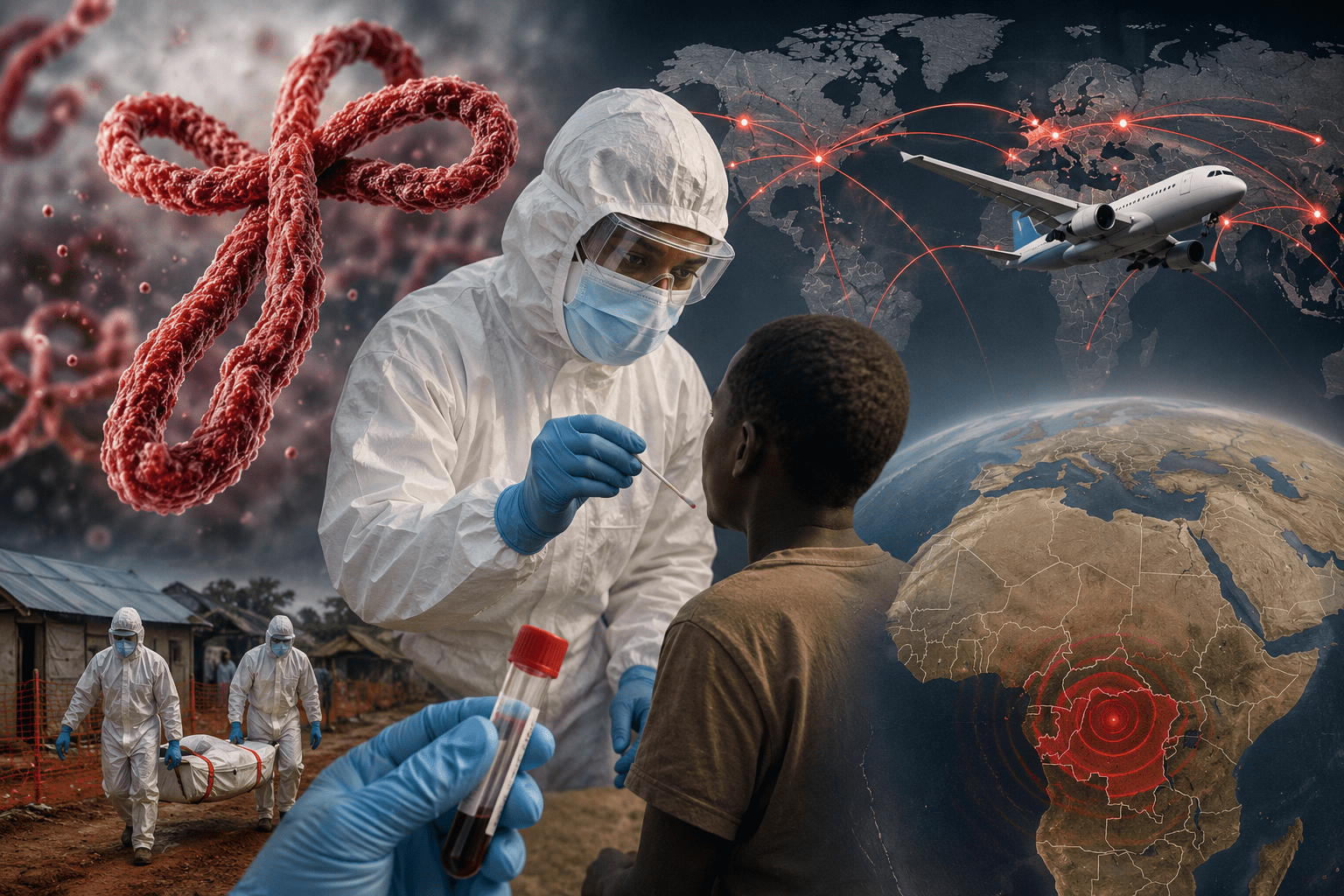
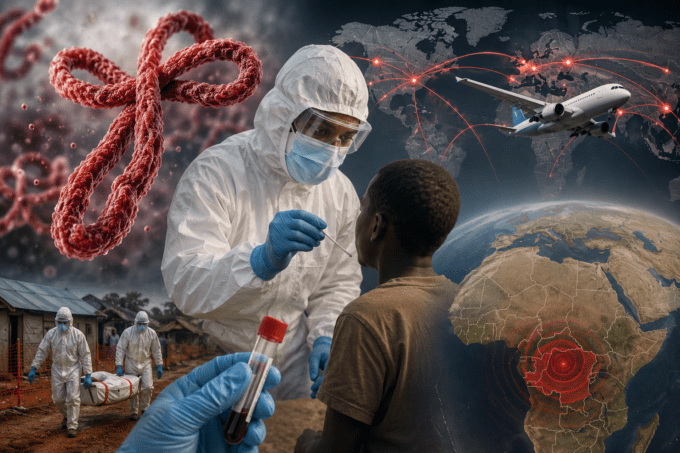
The Democratic Republic of the Congo’s deadly Ebola outbreak has surpassed 10,000 confirmed cases, with thousands of deaths reported as gaps in contact tracing and cross-border transmission complicate containment efforts.
The Ebola outbreak in the Democratic Republic of the Congo (DR Congo) has reached a critical milestone, surpassing 10,000 confirmed cases as health authorities face mounting challenges in identifying infections and preventing further spread.
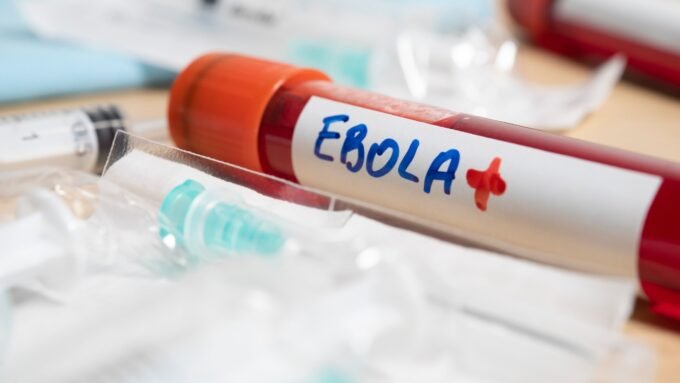
The outbreak is caused by the Bundibugyo virus, a rare type of Ebola virus. According to reports published on October 28, 2026, DR Congo has recorded 10,060 confirmed cases and 4,887 deaths, making this one of the deadliest Ebola outbreaks in the country’s history.
The outbreak was declared in May 2026 and has spread across multiple provinces, placing significant pressure on local healthcare services and emergency response teams.
Contact Tracing Gaps Complicate Ebola Containment
One of the biggest challenges facing health authorities is the difficulty of identifying and monitoring people who have been exposed to the virus.
Reports indicate that a large proportion of newly recorded cases in DR Congo were occurring among people who had not previously been identified as contacts of confirmed patients. This points to undetected chains of transmission and makes it harder for response teams to intervene before the virus spreads further.
Contact tracing involves identifying people who have been in close contact with an infected person and monitoring them for symptoms. Those who develop symptoms can then be tested and isolated quickly.
When contact tracing fails to keep pace with an outbreak, infected individuals may unknowingly expose family members, healthcare workers and other community members before receiving a diagnosis.
Delays in identifying exposed individuals, detecting infections and providing timely medical care can further complicate efforts to control the epidemic.
Bundibugyo Virus Presents Major Treatment Challenges
The current outbreak is caused by the Bundibugyo virus, a rare member of the Ebola virus group. Unlike some other Ebola virus species, Bundibugyo virus currently has no approved vaccine or specific treatment.
Ebola is a serious infectious disease that can cause fever, weakness, vomiting, diarrhoea and, in severe cases, bleeding. The virus spreads through direct contact with the blood or other bodily fluids of an infected person, as well as contaminated materials.
Early symptoms can resemble those of other illnesses, including malaria, which may delay diagnosis in areas where access to laboratory testing and specialist healthcare is limited.
Although no specific treatment is approved for Bundibugyo virus disease, early diagnosis, isolation, careful supportive medical care and infection-prevention measures remain essential to improving outcomes and limiting transmission.
Violence and Misinformation Hamper Response Efforts
Healthcare workers and outbreak response teams are facing additional obstacles, including armed conflict, poor road access, shortages of resources and distrust among some communities.
In certain affected areas, misinformation and fear have fuelled resistance to health interventions. Some residents have been reluctant to cooperate with surveillance teams or bring sick relatives to treatment facilities.
Violence against healthcare workers has added to these difficulties. In late October, a nurse was killed and another health worker was injured while responding to an Ebola alert in Tshopo province, highlighting the risks faced by frontline personnel.
Response teams also face logistical problems, including inadequate transport and difficulties reaching remote communities. These barriers can delay testing, treatment and the safe handling of deceased patients.
Public trust, community participation and the protection of healthcare workers are therefore critical to bringing the outbreak under control.
Ebola Outbreak Spreads Beyond DR Congo
The epidemic has also raised concerns about international transmission, with cases linked to the outbreak reported beyond DR Congo.
The spread of infections across national borders has increased the importance of cooperation between neighbouring countries and international health agencies. Screening at points of entry, rapid reporting of suspected infections and timely sharing of epidemiological information can help health authorities respond more effectively to imported cases.
However, cross-border surveillance alone cannot stop transmission unless it is supported by effective case detection and contact tracing within affected communities.
Ebola Outbreak Disrupts Essential Healthcare Services
The outbreak is placing additional pressure on DR Congo’s already stretched healthcare system. Resources devoted to Ebola response activities can limit the capacity of health facilities to provide routine medical services and respond to other diseases.
The epidemic has raised concerns about disruptions to childhood vaccination programmes, cholera response activities and maternal healthcare. Fear of infection can also discourage people from seeking medical assistance when they need it.
These consequences highlight the broader impact of major infectious disease outbreaks. Beyond the immediate toll of infections and deaths, epidemics can interrupt education, threaten household livelihoods and undermine access to essential healthcare.
Strengthening local health services while maintaining an effective Ebola response will be important to reducing these wider effects.
What Is Needed to Control the Ebola Outbreak?
DR Congo’s health authorities face an urgent task: identifying infections earlier, improving contact tracing and ensuring that people with symptoms can access medical care without delay.
Key priorities include:
- Expanding surveillance and laboratory testing in affected areas.
- Identifying and monitoring exposed individuals throughout the recommended follow-up period.
- Improving access to treatment and supportive care.
- Protecting healthcare workers and ensuring response teams can operate safely.
- Working with local communities to address misinformation and build trust.
- Strengthening cross-border cooperation to detect and contain imported cases.
International health agencies have emphasised the importance of coordinated public health measures, improved surveillance and preparedness to limit further transmission.
African health officials are also seeking stronger regional coordination as the outbreak spreads across borders.
Follow HealthWireMedia.com for all the latest health news and developments from around the world.










Leave a comment