

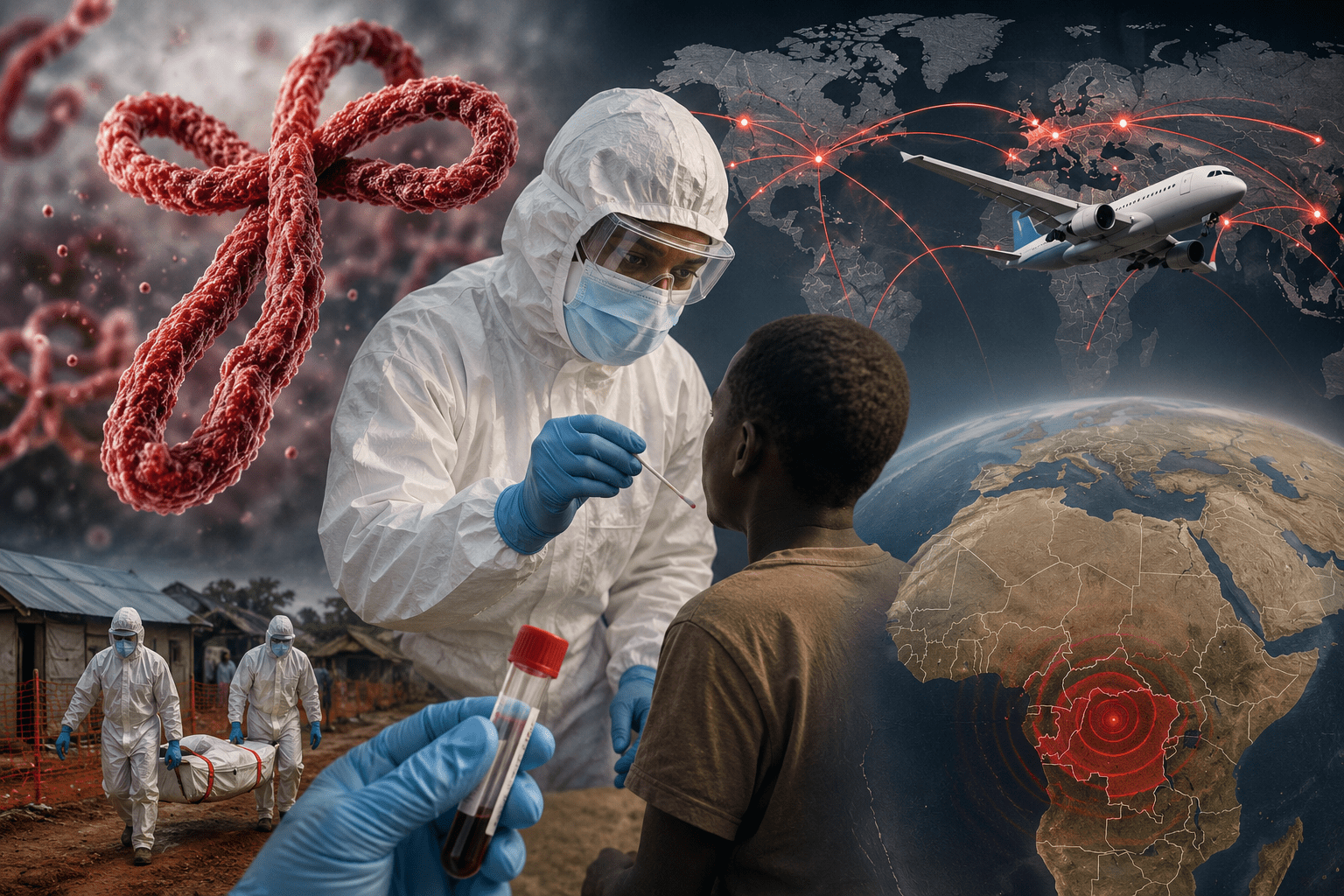
The Ebola outbreak in the Democratic Republic of Congo (DR Congo) has reached a critical stage, with the country’s 2026 outbreak now officially the deadliest Ebola outbreak in its history. As of August 16, health authorities reported 4,945 confirmed cases and 2,325 deaths, surpassing the death toll recorded during the 2018–2020 outbreak.
The outbreak has also raised international concern because of its unusually rapid spread. The World Health Organization (WHO) had previously warned that the outbreak could eventually surpass the 2014–2016 West Africa Ebola epidemic, which remains the deadliest Ebola outbreak globally.
Ebola outbreak in DR Congo: What is happening now?
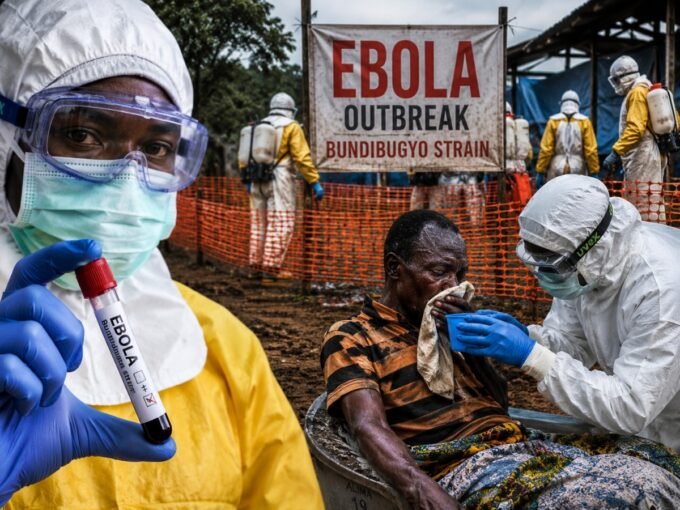
The outbreak was officially declared in May 2026 after cases were detected in Ituri province in northeastern DR Congo. The disease is being caused by the Bundibugyo species of Ebola virus, a relatively rare strain for which there is currently no approved vaccine or specific treatment.
According to the latest WHO data available for August 12, the country had recorded 4,665 confirmed cases and 2,184 deaths, with a case fatality ratio of 46.8%. Since then, the numbers have climbed further. WHO says the outbreak has expanded across six provinces and 54 health zones, with Ituri accounting for the majority of confirmed infections and deaths.
Why is the 2026 Ebola outbreak spreading so fast?
Health experts have identified several factors making the outbreak difficult to control. Delayed diagnosis, limited healthcare infrastructure, insecurity, population movement and misinformation are complicating efforts to detect cases and isolate infected people quickly.
The outbreak is also occurring in areas affected by humanitarian challenges and regional instability. People moving between communities and across borders can make contact tracing more difficult, while healthcare workers face challenges reaching affected populations.
WHO has also noted that part of the recent increase in reported cases reflects improved surveillance, laboratory testing and diagnostic capacity. However, the agency says much of the rise reflects genuine expansion of the outbreak.
No approved vaccine or treatment for Bundibugyo Ebola
One of the biggest challenges is the virus itself. Unlike the Zaire species of Ebola, against which approved vaccines and treatments are available, the Bundibugyo species currently has no approved vaccine or specific treatment. Researchers are testing potential vaccine and treatment candidates, but these remain under evaluation.
This does not mean Ebola cannot be treated. Patients can receive supportive medical care, including treatment for dehydration, oxygen and blood pressure support, and management of infections and other complications. Early diagnosis and prompt clinical care can significantly improve the chances of survival.
How does Ebola spread?
Ebola spreads through direct contact with the blood or other bodily fluids of an infected person or someone who has died from the disease. It can also spread through contaminated objects and materials.
People are generally not considered infectious before they develop symptoms. Symptoms can include fever, severe weakness, muscle pain, headache, sore throat, vomiting, diarrhoea and abdominal pain. Some patients can develop bleeding, although it is not present in every case.
Why is the Ebola outbreak a global concern?
Although the outbreak is concentrated in DR Congo, its rapid growth has prompted international concern. Uganda has also reported cases, while preparedness and surveillance efforts are being strengthened in neighbouring countries.
The WHO has described the situation as a major public health emergency and is supporting authorities with surveillance, contact tracing, clinical care, supplies and community engagement.
For now, experts stress that early detection, rapid isolation, contact tracing and community cooperation will be crucial to slowing transmission and preventing the outbreak from becoming even deadlier.











Leave a comment