

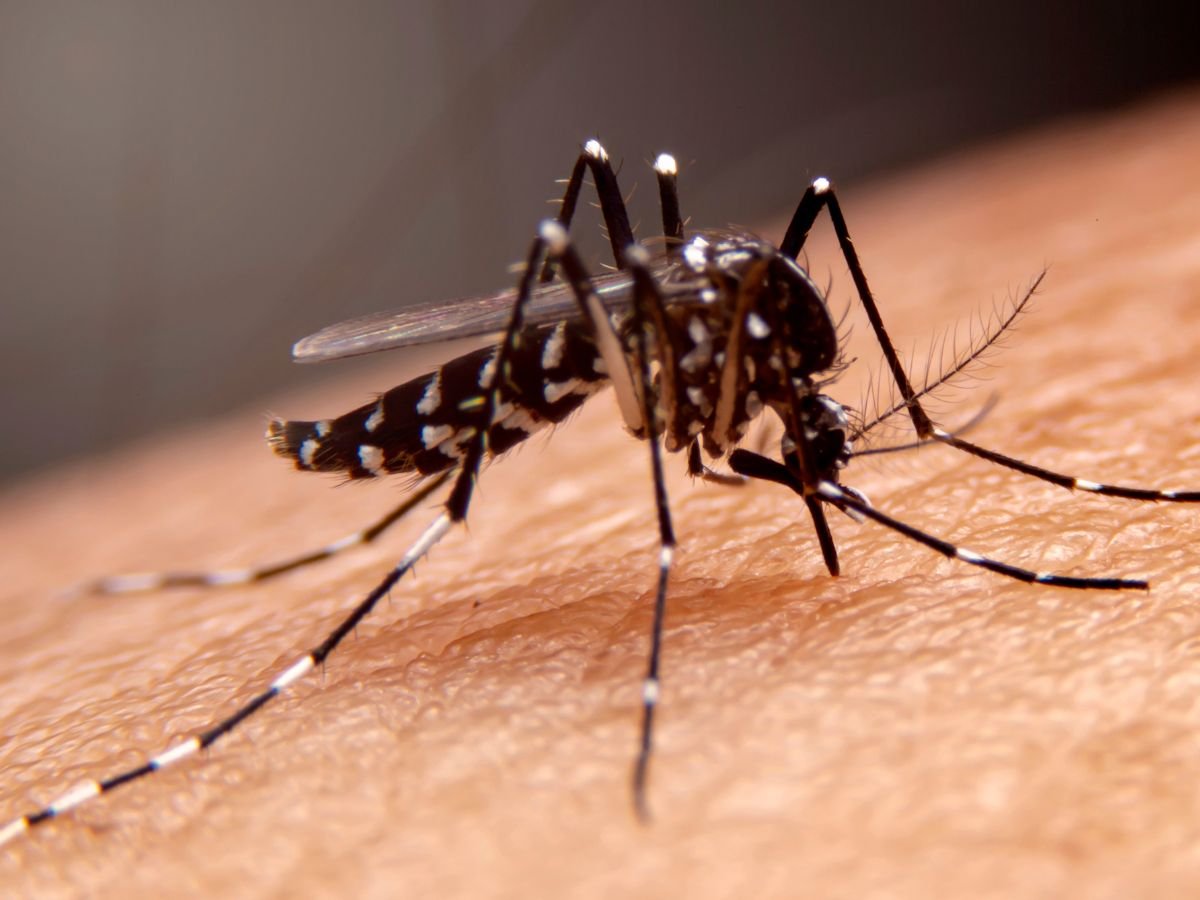
Dengue fever is a virus transmitted by mosquitoes, leading to intense symptoms like high fever, severe headaches, joint and muscle pain, and sometimes, serious complications. The heart, one of the organs affected by dengue, can suffer from cardiovascular issues and weakened muscles due to the infection. Incorporating specific exercises into your recovery routine can significantly aid in strengthening your heart post-dengue fever.
Walking For Dengue Recovery
Walking is a gentle, low-impact exercise excellent for improving cardiovascular health. As your body recovers from dengue, walking allows you to gradually elevate your heart rate and boost circulation. Begin with short walks around your house or neighborhood, slowly extending the duration as you gain comfort. Walking not only fortifies the heart but also enhances overall stamina and energy.
Yoga
Yoga combines physical and mental exercises for holistic well-being. Gentle yoga poses improve blood flow, reduce stress, and enhance flexibility. Poses like Cobra Pose, Bridge Pose, and Child’s Pose are particularly beneficial for heart muscle strength and relaxation. Yoga also helps refine breathing techniques, essential for better lung capacity and cardiovascular health.
Swimming For Dengue Recovery
Swimming offers a full-body workout that is kind to joints and muscles, making it ideal post-dengue fever. Water buoyancy lessens body impact while providing resistance to strengthen muscles, including the heart. Swimming boosts cardiovascular endurance, muscle strength, and flexibility. Additionally, it calms the mind, reducing stress and enhancing overall wellness.
Cycling
Cycling is an excellent cardio exercise that you can adjust to your fitness level. Whether outdoors or on a stationary bike, this low-impact activity strengthens the heart and improves general fitness. Cycling helps burn calories, which can be useful for keeping a healthy weight after dengue. Begin with short sessions, gradually increasing duration and intensity as your strength and endurance return.
Strength Training For Dengue Recovery
Adding strength training to your routine builds muscle mass, enhances bone density, and promotes heart health. Using resistance bands, dumbbells, or your body weight, exercises like squats, lunges, push-ups, and bicep curls target various muscle groups, including the heart. Strength training boosts metabolism, aids in weight management, and ensures overall physical strength and cardiovascular fitness.
By integrating these five exercises into your recovery plan, you can effectively fortify your heart, enhance cardiovascular health, and improve overall well-being post-dengue fever. Always consult your healthcare provider before beginning any new exercise regimen, especially after a serious illness like dengue fever.
















Leave a comment