

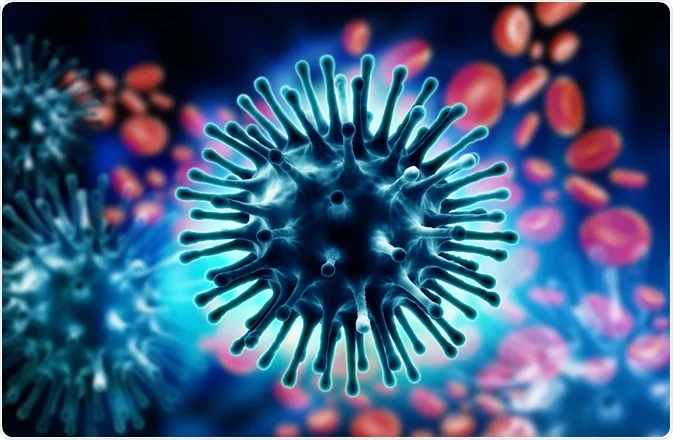
Punjab has reported its first suspected swine flu death of the season as the number of confirmed H1N1 cases in the state has climbed to 220. The development has raised concern among health authorities, particularly as infections have increased since August.
The suspected fatality was reported from Jalandhar, where an 85-year-old man, identified as Mool Raj, died while undergoing treatment at the Civil Hospital. The elderly man had been suffering from breathing difficulties and had a history of chronic obstructive pulmonary disease (COPD), a serious condition that affects the lungs.
According to health officials, Raj had tested positive for H1N1 at Government Medical College (GMC), Amritsar, on September 2. He was later discharged from the Amritsar hospital and admitted to the Civil Hospital in Jalandhar after his condition deteriorated. He died on Friday while receiving treatment.
However, officials have cautioned against directly attributing his death to swine flu at this stage. Jalandhar Civil Surgeon Dr Rajesh Garg said the patient was immunocompromised and had significant pre-existing health problems. A formal health audit is expected to establish the exact cause of death.
The suspected death comes against the backdrop of a steady rise in H1N1 infections across Punjab. Health department data shows that 1,513 suspected swine flu patients have been tested in the state since January, of whom 220 have tested positive. Fourteen new cases were reported on Friday, indicating that transmission has picked up in recent weeks.
Ludhiana has emerged as the worst-affected district, recording 72 confirmed cases. It is followed by SAS Nagar, commonly known as Mohali, with 36 cases. Patiala has reported 16 cases, while Moga and Jalandhar have recorded 11 and 10 cases respectively. Rupnagar has reported nine cases, while other districts have recorded smaller numbers.
Health authorities have stepped up surveillance and preparedness in response to the increase. Flu corners and isolation units have been activated at hospitals in different parts of the state to facilitate early identification, testing and treatment of suspected patients. Officials are also paying closer attention to districts reporting larger numbers of infections.
Punjab Health Minister Dr Balbir Singh has said that the government is closely monitoring the situation. Importantly, authorities have found no evidence so far that the H1N1 strain circulating in Punjab is new or mutated. The government has therefore urged people to remain alert without creating unnecessary panic.
Swine flu, or H1N1 influenza, is a respiratory infection that can cause symptoms such as fever, cough, sore throat, body aches and breathing difficulties. While many patients recover with appropriate care, elderly people and those with underlying medical conditions can face a greater risk of complications.
The latest developments underline the importance of early medical attention for people experiencing persistent flu-like symptoms, particularly those in vulnerable groups. Health officials have advised residents to follow basic hygiene measures and seek medical advice when symptoms become severe.
For now, the Jalandhar death remains classified as a suspected swine flu fatality, rather than a confirmed H1N1 death. The outcome of the health audit will determine whether the virus was the primary cause of death or whether the patient’s serious underlying conditions played the decisive role.










Leave a comment