

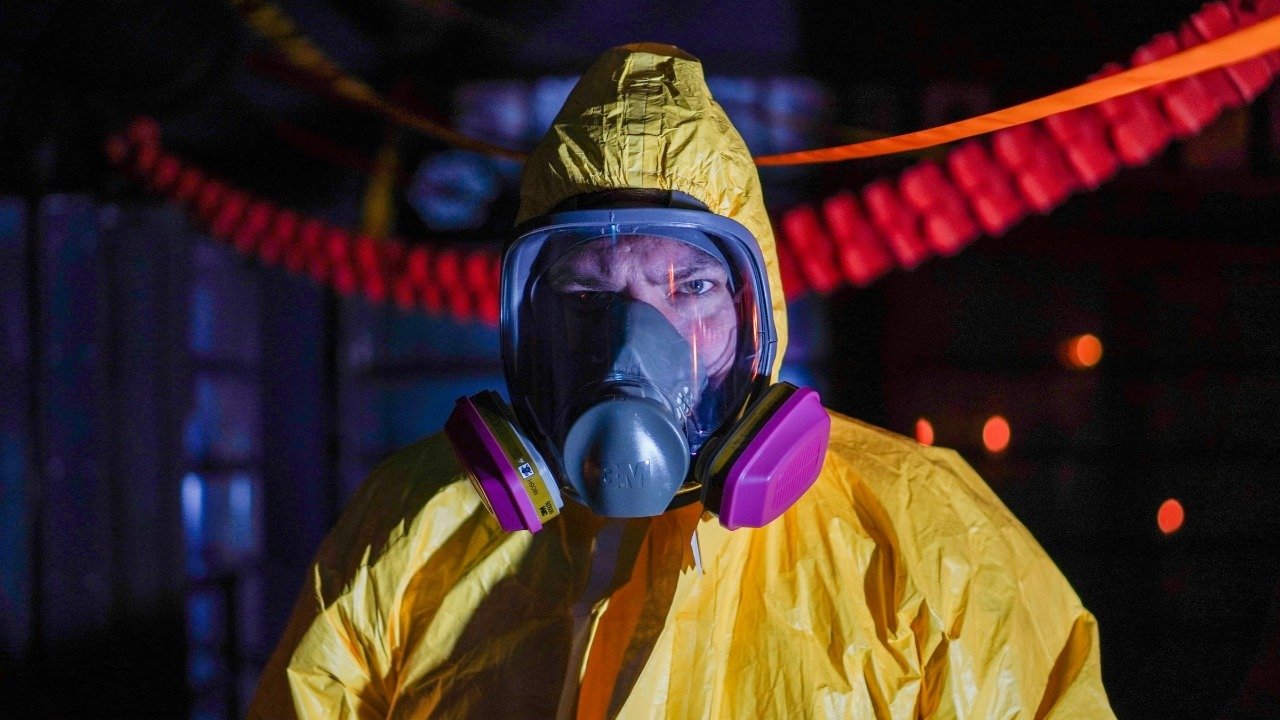
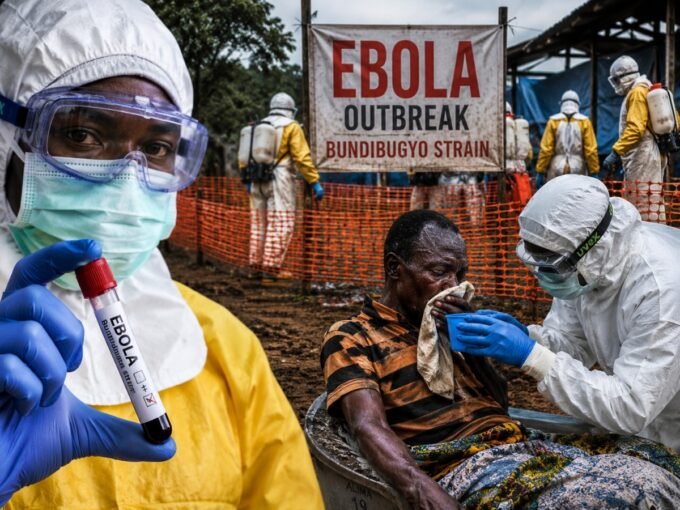
Global health agencies are closely monitoring the ongoing Ebola outbreak as concerns grow over the spread of the rare Bundibugyo strain, a variant that presents unique challenges for healthcare systems worldwide.
Although Ebola outbreaks have occurred periodically for decades, experts say the current situation deserves special attention because existing vaccines and treatments have limited evidence against this particular strain.
The Ebola virus is a severe and often fatal disease that spreads through direct contact with infected bodily fluids, contaminated surfaces, or infected animals. Symptoms typically include fever, weakness, vomiting, diarrhoea, muscle pain, and in severe cases, internal and external bleeding.
According to Dr. Gagandeep Kang, noted virologist and former Executive Director of Translational Health Science and Technology Institute (THSTI), one of the biggest concerns is the lack of extensive vaccine protection data for the Bundibugyo strain.
“While significant progress has been made against some Ebola strains, the Bundibugyo variant presents additional challenges because approved vaccines have not been studied as extensively against it,” she says.
Unlike COVID-19, Ebola is not considered an airborne virus. This reduces its ability to spread rapidly among large populations. However, its high fatality rate remains a major concern.
Historically, Ebola outbreaks have recorded mortality rates ranging from 25% to 90%, depending on the strain and healthcare access available in affected regions.
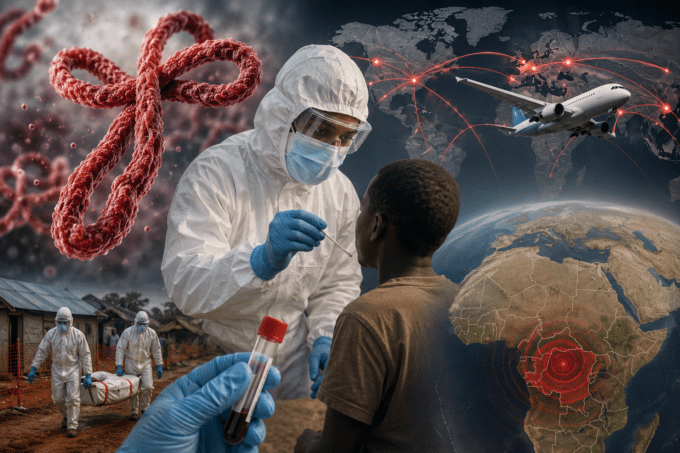
Health experts say delayed detection is one of the biggest risks. An infected traveller may unknowingly carry the virus across borders before symptoms become severe.
As a precaution, many countries have strengthened airport surveillance, traveller screening, and emergency preparedness protocols. Healthcare workers are also receiving updated training on recognising Ebola symptoms and implementing isolation measures.
Researchers around the world are racing to develop vaccines and treatments specifically targeting the Bundibugyo strain. Several experimental candidates are currently under investigation.
“Rapid diagnosis, contact tracing, and isolation remain the most effective tools for controlling Ebola outbreaks,” says Dr. Kang.
Experts stress that the public should remain informed but not panic. Unlike highly transmissible respiratory viruses, Ebola requires direct exposure to infected bodily fluids for transmission.
Doctors advise travellers returning from affected regions to seek medical attention if they develop fever, vomiting, unexplained weakness, or other concerning symptoms.
The ongoing outbreak serves as an important reminder that infectious disease threats continue to evolve. Strong surveillance systems, international cooperation, and public awareness remain critical in preventing local outbreaks from becoming global crises.
For now, health agencies continue monitoring developments closely while emphasising preparedness, vigilance, and science-based public health measures.












Leave a comment