

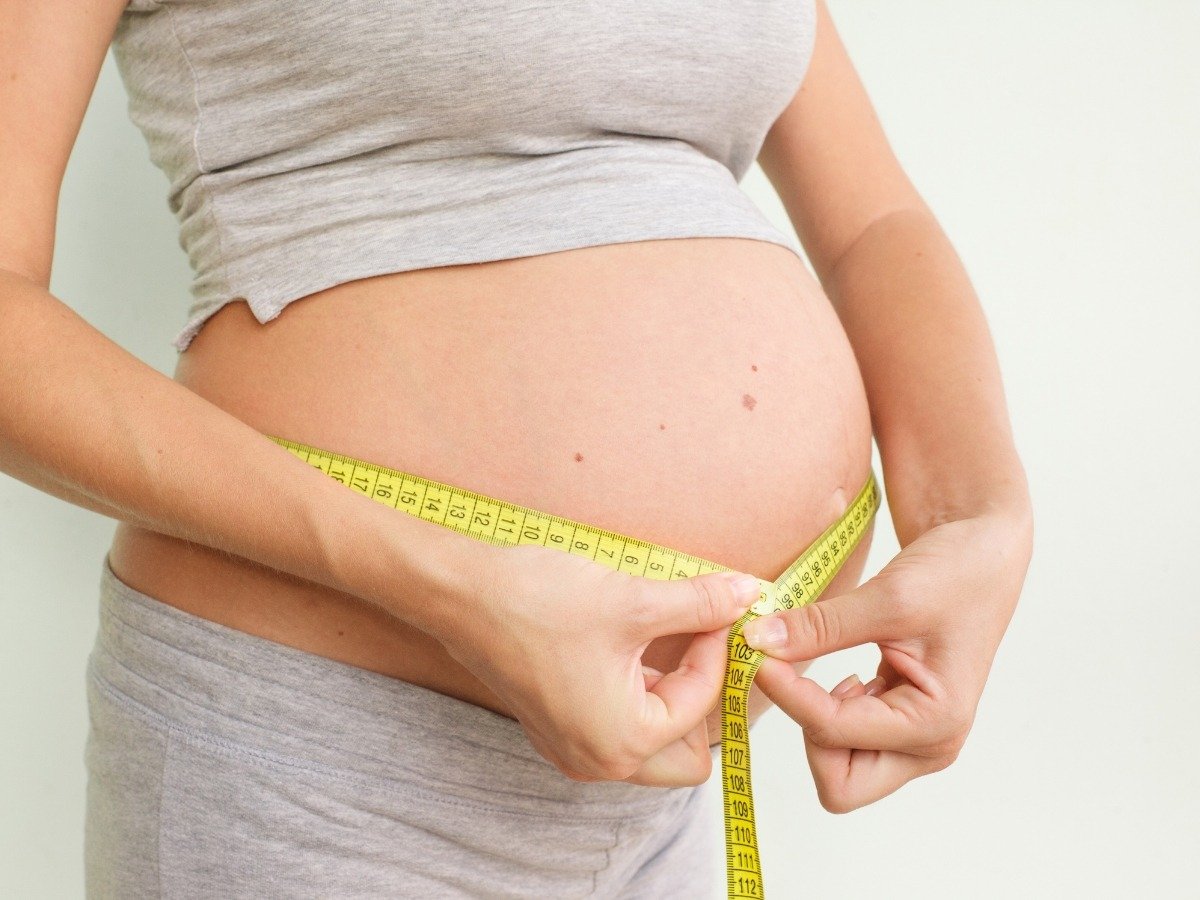
Numerous studies have indicated that prenatal weight gain could be affected on the chances of allergic diseases in later childhood. Researchers are now looking at what happens in the baby’s immune system prior to birth when they get affected by pregnancy. A study published by The National Library of Medicine suggest that borderline excess gestational weight gain may be associated with asthma, eczema, allergic rhinitis and food allergies in children.
What is gestational weight gain?
Gestational weight gain is the term used to describe the gain in weight that a woman experiences while she is pregnant. A doctor is likely to suggest a healthy weight gain range according to the body mass index (BMI) of a female before conceiving. There’s a fine line in weight gain, a gain too large or too small is uncomfortable for mother and baby. More recently scientists began to investigate its association with a child’s immune system.
In one study in Shanghai, China, over 15,000 pairs of mom-madness were studied. The researchers identified that babies of overnutrition pregnant mother had a higher likelihood of developing allergic diseases. These children were reported to have higher levels of risks for asthma or wheezing, eczema, and allergic rhinitis. The likelihood of the risk seemed to be even further raised if mothers were overweight or obese before they became pregnant.
Pregnancy weight gain and allergies
Another large review was published in 2024 that examined a number of studies on maternal weight and childhood allergies. The researchers found that increased weight gain during pregnancy and maternal obesity may play a role in children’s allergic diseases. The study expands on earlier evidence of the importance of environmental factors during the fetal period in influencing the maturing immune system of a child.
How excess pregnancy weight may affect the immune system?
The link may have to do with inflammation, scientists believe. A baby’s health while in the womb could be impacted by the inflammitory chemicals released by excess fat. Additional factors such as shifts in hormones, metabolism and mother’s gut flora can also play a role in the development of the child’s immune system. Some of the changes may increase a child’s susceptibility to allergies as he or she grows.
Other factors linked to childhood allergies
Researchers caution, however, that there are many factors, and that gestational weight gain is one of them. Allergies can be triggered by genetics, family history of allergies, environmental pollution, breast feeding, diet and early childhood infections. Not all babies being born from mothers with above average pregnancy weight gain will have allergies.
Therefore, existing evidence indicates there may be benefits of maintaining good weight gains throughout pregnancy on child immune health in the long-term as well as for maternal health. With childhood allergies on the rise globally, it is crucial to get an understanding of these early life influences become even more critical.
Disclaimer: This article is for informational and educational purposes only and should not be considered medical advice. Pregnant women should consult qualified healthcare professionals for personalized guidance regarding weight management, nutrition, and maternal or child health concerns.















Leave a comment