

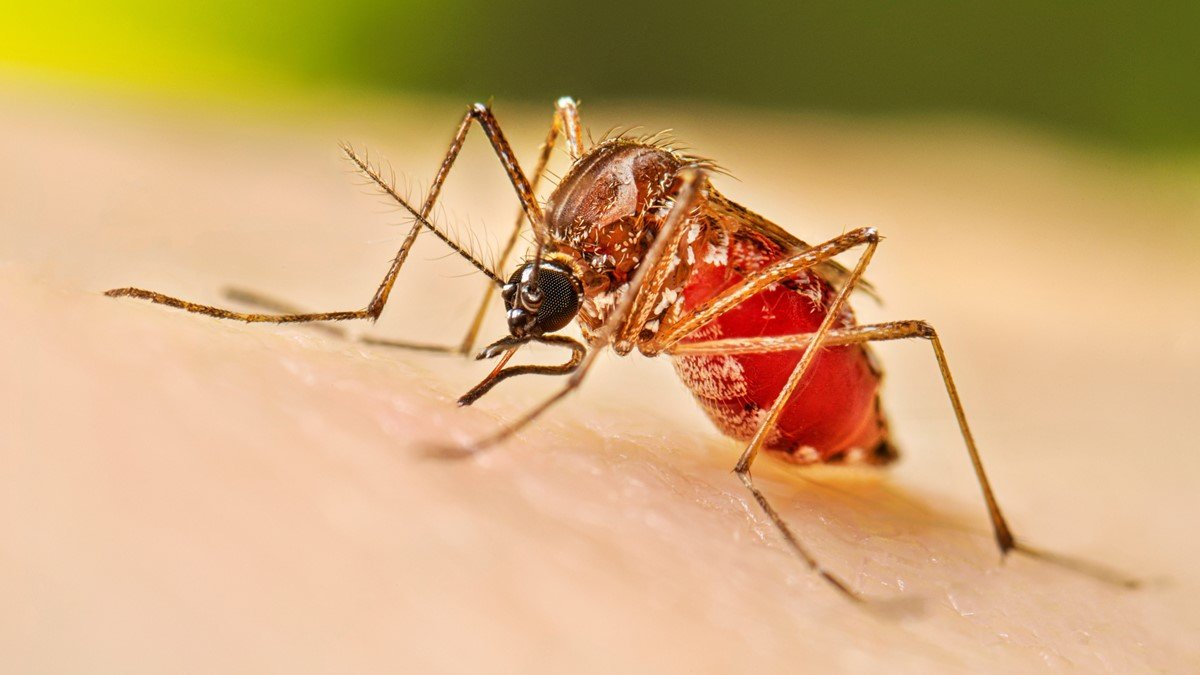
World Dengue Day 2026 comes at a critical time when dengue is no longer just a monsoon-season illness in India. Over the past decade, changing climate patterns, rapid urbanization, and expanding mosquito habitats have turned dengue into a persistent, year-round public health concern.
Dengue is a viral infection transmitted primarily by the bite of the Aedes aegypti mosquito. Traditionally, cases peaked during and just after the monsoon season. However, health experts now warn that India is seeing transmission in nearly all months of the year, especially in urban and semi-urban areas.
The World Health Organization has repeatedly highlighted the global rise of dengue infections, noting that it is “one of the fastest-growing mosquito-borne viral diseases in the world,” with cases increasing dramatically over the last 50 years. This surge is especially visible in tropical countries like India, where environmental conditions support mosquito breeding throughout the year.
Similarly, the Centers for Disease Control and Prevention states that dengue is common in tropical and subtropical regions and continues to pose a risk wherever the Aedes mosquito is present. In endemic countries, transmission is not strictly seasonal anymore, particularly in densely populated cities.
Why dengue is becoming a year-round threat in India
One of the biggest drivers is climate change. Rising temperatures allow mosquitoes to survive longer breeding cycles, while erratic rainfall creates new stagnant water sites. Even during dry months, water storage practices in many households—such as overhead tanks, coolers, and containers—provide ideal breeding grounds for mosquitoes.
Urbanization is another key factor. Rapid construction, poor waste management, and clogged drainage systems create artificial water pools in cities. These conditions are ideal for Aedes aegypti, which prefers clean, stagnant water in and around human habitats.
Unlike malaria-carrying mosquitoes, Aedes mosquitoes bite during the day. This increases exposure risk in schools, workplaces, and homes, making prevention more difficult.
What doctors are seeing on the ground
According to Dr. Arvind Mehta, an internal medicine specialist based in Delhi:
“Dengue is no longer a seasonal infection in India. We are seeing cases even in winter and early summer. The combination of climate variability, water storage habits, and urban crowding has made mosquito breeding a continuous cycle rather than a seasonal event. Early diagnosis and prevention are now more important than ever.”
Doctors also report that secondary dengue infections are becoming more concerning, as they can increase the risk of severe complications such as plasma leakage, bleeding, and organ involvement.
Why continuous vigilance is essential
Public health experts emphasize that dengue prevention cannot be limited to monsoon preparedness alone. Year-round surveillance, community awareness, and household-level prevention are now essential.
Simple measures such as regularly emptying water containers, using mosquito repellents, installing window screens, and eliminating stagnant water can significantly reduce risk. Municipal action on drainage and waste management also plays a crucial role in controlling outbreaks.
The WHO continues to stress that vector control remains the most effective strategy against dengue in the absence of a widely accessible specific treatment. Early diagnosis and supportive care are critical to reducing mortality.
As India observes World Dengue Day 2026, the message is clear: dengue has evolved into a year-round public health challenge. With changing environmental conditions and urban lifestyles, the disease is no longer confined to a specific season.
Strengthening surveillance systems, improving urban sanitation, and promoting community awareness will be key to reducing the burden of dengue in the years ahead.













Leave a comment