Home Latest News Influenza D virus may infect humans, new study raises zoonotic spillover concerns
Latest News

Influenza D virus may infect humans, new study raises zoonotic spillover concerns

Share
Share

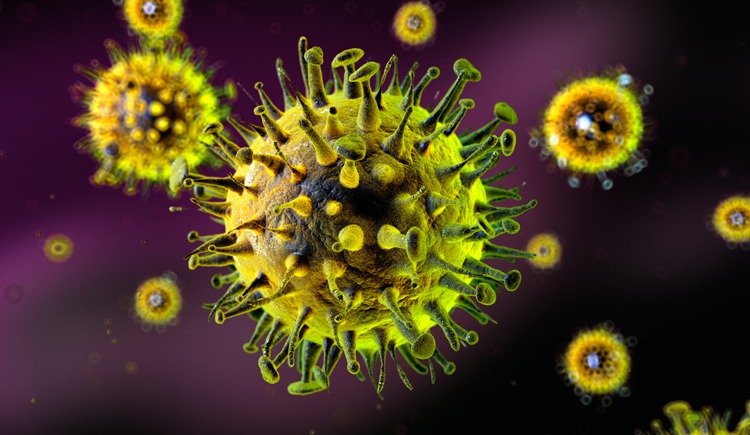
Influenza D virus—a flu virus primarily found in cattle and pigs—may have greater human infection potential than previously thought, according to new research.

A recent study found that multiple strains of Influenza D virus were able to efficiently infect and replicate in human airway cells and lung tissue models. In some experiments, the virus replicated at levels comparable to human seasonal influenza viruses. Researchers say this suggests the virus has a real potential to cross the animal-human barrier.

What is Influenza D virus?

Unlike the more familiar influenza A and B viruses that commonly infect humans, Influenza D virus was first identified in 2011 and is mainly associated with livestock—especially cattle, which are considered its primary reservoir.

Over the years, scientists have found evidence that the virus can infect several animal species, but human infection has remained uncertain.

Why are scientists concerned now?

The new research suggests that the concern is not simply about the virus entering human cells—but also how it behaves once inside them. Scientists observed that Influenza D virus not only replicated efficiently in human respiratory tissues, but also triggered a relatively weak early immune response. In simple terms, the virus appeared capable of multiplying while initially evading some of the body’s frontline antiviral defenses. That combination is important because it may increase the risk of zoonotic spillover—when a virus jumps from animals to humans.

Have humans already been infected?

So far, there have been no confirmed widespread human infections caused by Influenza D virus. However, previous studies have detected antibodies against the virus in some cattle workers and agricultural workers. This suggests that exposure may already be happening, although it remains unclear whether such exposure causes illness.

Does this mean a new flu outbreak is coming?

Not necessarily. Researchers are not saying that Influenza D is currently spreading among humans. What the study shows is that the virus has biological features that make scientists take its spillover potential more seriously.

At present, the key concern is surveillance—especially at the animal-human interface, where livestock workers may have greater exposure.

Why this matters for public health

Emerging respiratory viruses often begin with isolated animal-to-human transmission events before adapting further.

That is why scientists say Influenza D virus deserves closer monitoring. Understanding how the virus behaves now may help public health systems detect early warning signs before broader transmission becomes possible.

A new study suggests that Influenza D virus can efficiently infect human airway cells, raising fresh concerns about its human infection potential. There is no evidence yet of sustained human-to-human spread, but researchers say the findings highlight the need for stronger surveillance and closer monitoring of flu viruses circulating in livestock.


Share
Written by
Swapna Karmakar

Swapna Karmakar is an experienced Health Journalist and the Editorial Lead at Healthwire Media. She has a background in investigative reporting and a deep interest in community health and regulatory updates within the medical sector. Swapna focuses on bridging the gap between healthcare providers and patients by crafting narratives that simplify medical terminology without losing clinical depth. Her research process involves analyzing peer-reviewed journals and official regulatory notifications from bodies like the National Medical Commission (NMC) to provide timely news to both healthcare professionals and the general public. Swapna’s work is characterized by a commitment to transparency and evidence-based reporting. Outside of health reporting, she is an avid traveler and explorer of cultural landscapes. 

Leave a comment

Leave a Reply

Your email address will not be published. Required fields are marked *

Don't Miss

Health Tips

Heat stroke or heat exhaustion? Know the difference and stay safe in summer heat waves

It has only been April in 2026 but it feels like summer is already here with a rise in temperatures where cases of...

Neurology

World Parkinson’s Day 2026: How deep brain stimulation is transforming life for patients with advanced parkinson’s disease

Parkinson’s disease is a neurological disorder that gradually affects individuals’ independence, mobility and quality of life. In the early stages, medication is an...

Lifestyle & Wellness

Chronic Stress Explained: How Long-Term Pressure Damages Your Body and Triggers Lifestyle Diseases

Chronic stress is no longer just an occasional feeling of pressure—it has become a constant part of modern life. Whether it stems from...

Gastroenterology

World Liver Day 2026: What studies suggest about life expectancy with fatty liver disease

World Liver Day: Late night junk foods, spending much time behind a desk and exercising very little are slowly eating away the liver....

Parkinson's Disease
Neurology

World Parkinson’s Day 2026: Early signs of Parkinson’s disease often ignored and how timely diagnosis can change lives

Parkinson’s disease is a progressive neurological condition that worsens over time, with symptoms varying depending on its severity. According to the National Institutes...

Section title

Related Articles
Latest News

Joint Pain in Changing Weather: Why It Happens and Simple Ways to Find Relief Naturally

Joint pain is a common complaint that can affect people at any...

Latest News

Alcohol Blackouts Explained: What Happens in Your Brain, Why Memory Fails, and the Red Flags You Shouldn’t Ignore

Alcohol-related blackouts are more common than many people realize—and more serious than...

Non-Alcoholic Fatty Liver Disease (NAFLD)
Latest News

Fatty liver symptoms: Gastroenterologist explains hidden causes of excessive fat accumulation inside the liver at young age

Fatty Liver Symptoms: Fatty liver disease, once considered a condition affecting middle-aged...

Snacks are small, quick bites of food consumed between regular meals.
Latest News

World Earth Day 2026: India’s Food Waste Problem Is Fueling Malnutrition—Here’s How It Impacts Health

World Earth Day 2026, themed “Our Power, Our Planet,” is a powerful...