

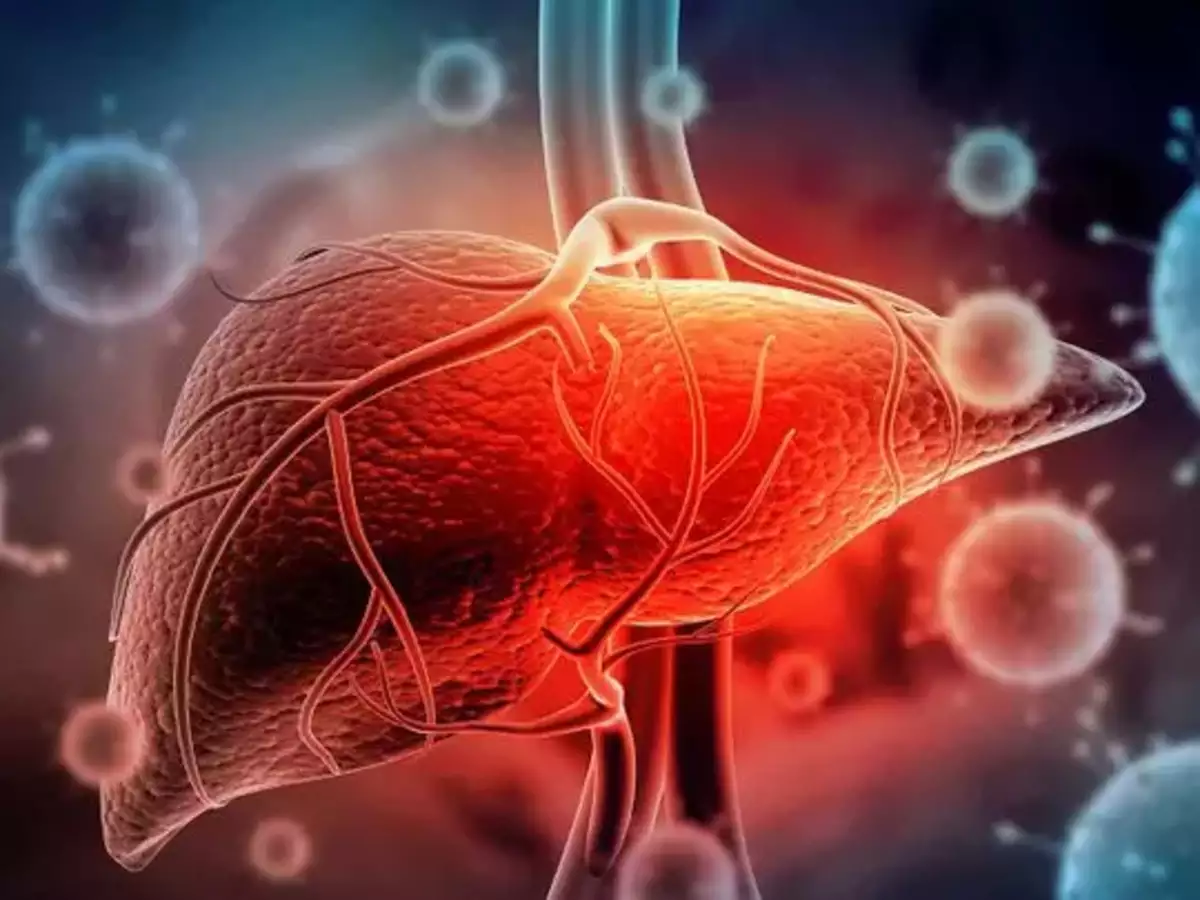
World Liver Day: Late night junk foods, spending much time behind a desk and exercising very little are slowly eating away the liver. What most people are not aware of is that these daily habits can make an individual develop fatty liver disease which is a medical condition that comes unnoticed. On World Liver Day 2026 which typically falls on 19 April annually, experts are calling on people to have a closer look at the ways in which lifestyle decisions in today’s age might influence life expectancy in the future.
What is a fatty liver disease?
Fatty liver disease is a condition that develops when the liver accumulates a lot of fat. It is categorized into non-alcoholic fatty liver disease (NAFLD) and alcohol-related liver disease. The non-alcoholic version has become more prevalent and is closely linked with obesity, unhealthy diet and physical inactivity.
The Mayo Clinic reports that the majority of individuals with fatty liver disease have no symptoms during the initial phases and that is why it is often not detected until the abnormalities are detected during regular check-ups.
What studies say on life expectancy?
Multiple findings indicate that fatty liver disease might not necessarily reduce life expectancy directly but complications associated with it can.
According to an evidence based on the National Institutes of Health (NIH), it suggests that those who develop non-alcoholic steatohepatitis (NASH), fibrosis or cirrhosis are more at risk of developing serious health consequences including liver failure and early death.
Interestingly researchers observe that the cardiovascular disease is the most common cause of death among individuals with fatty liver disease and not liver related complications alone.
Reason why lifestyle is important
According to an expert fatty liver disease can be termed as a lifestyle disease since it is closely related to daily practices. Some of the main risk factors include:
- Consumption of sugar and processed foods
- Lack of physical activity
- Obesity or overweight
- Type 2 diabetes
- High cholesterol
These factors may interact to worsen the progression of the disease and put more health at risk.
Is fatty liver disease reversible?
The good news is that most cases of fatty liver disease can be controlled and even reversed in the early stages. Dr. Anukalp Prakash, Director, Gastroenterology, CK Birla Hospital, Gurugram stresses lifestyle changes as the most effective treatment such as:
- Losing weight gradually
- Exercising regularly
- Consuming healthy diet consisting whole foods
- Limiting sugar and processed foods
- Losing even 5 to 10 per cent can go a long way
Warning signs you must watch out for
Researchers claim that fatty liver disease at an early stage can be asymptomatic but people living with advanced liver disease may experience:
- Persistent fatigue
- Abdominal pain in the upper part
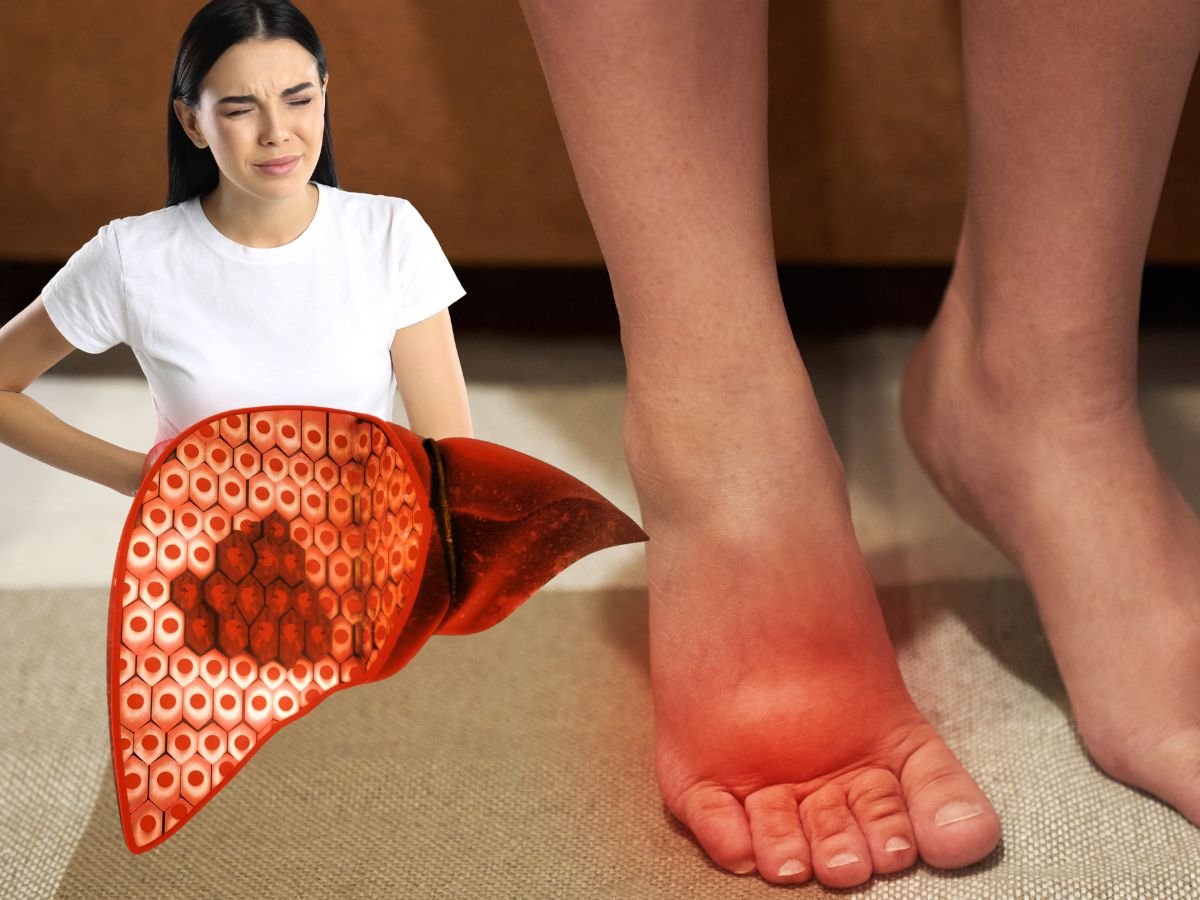
- Abdominal or leg swelling
- Skin or eye yellowing in severe cases
Importance of early detection
Early detection of fatty liver disease can be done through routine health check-ups like blood tests, imaging scans and other medical evaluations. Experts suggest that timely treatment would help avoid the situation when the condition reaches irreversible stages such as cirrhosis where it becomes more complicated to treat.
On this World Liver Day healthcare professionals emphasize that lifestyle changes do not have to be that great or significant. Eating healthy, exercising and going to the doctor regularly are things that can be prioritized to ensure that your liver is safe, so is your life.
The content above is only for informational purposes. It is not at all professional medical advice. Always consult your doctor or a healthcare specialist for any questions regarding your health or a medical condition.











Leave a comment