

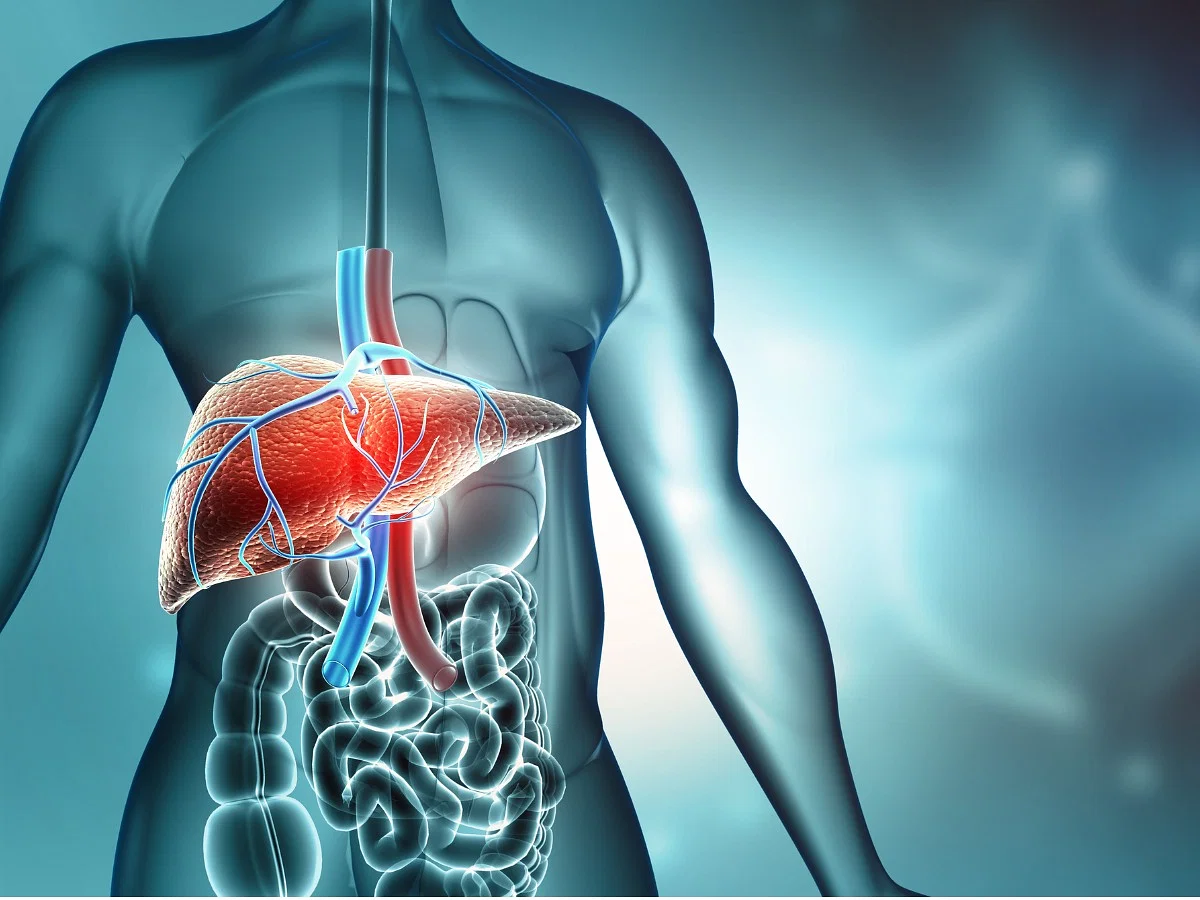
A major global health warning has emerged from a recent study published in The Lancet, highlighting a dramatic rise in liver disease cases worldwide. According to the findings, metabolic dysfunction-associated steatotic liver disease (MASLD)—previously known as fatty liver disease—has already affected 1.3 billion people globally, and this number is projected to rise to 1.8 billion by 2050.
This staggering increase reflects a rapidly worsening metabolic health crisis. What makes the situation even more concerning is that liver disease often develops silently, without noticeable symptoms, until it reaches advanced stages such as liver cirrhosis, liver failure, or even liver cancer.
At the core of this growing epidemic are three major modifiable risk factors—high blood sugar, high body mass index (BMI), and smoking. Understanding and addressing these factors can play a crucial role in preventing liver disease before it becomes irreversible.
What Is MASLD and Why Is It Increasing Rapidly?
MASLD is a condition where excess fat accumulates in the liver due to metabolic dysfunction rather than alcohol consumption. It is strongly linked to conditions such as obesity, type 2 diabetes, and insulin resistance.
Over the past few decades, lifestyle changes have significantly contributed to the rise in MASLD. Increased consumption of processed foods, reduced physical activity, poor sleep patterns, and chronic stress have all created an environment where metabolic disorders thrive.
Unlike traditional liver diseases linked to alcohol, MASLD is primarily driven by everyday habits. This means that even individuals who do not consume alcohol can still develop serious liver complications.
The 3 Biggest Risk Factors Behind Liver Disease
The study highlights three key contributors that are fueling the global surge in liver disease.
1. High Blood Sugar: The Silent Trigger
High blood sugar has emerged as the leading risk factor for liver disease. When glucose levels in the blood remain elevated over time, the liver begins converting excess sugar into fat. This fat accumulates in liver cells, leading to inflammation and damage.
This process is closely linked to insulin resistance—a condition where the body’s cells do not respond effectively to insulin. As a result, the liver stores more fat, worsening the condition.
One of the biggest concerns is that many people remain unaware of their blood sugar levels. Prediabetes and early-stage diabetes often go undiagnosed, allowing liver damage to progress silently.
Even mildly elevated sugar levels can increase the risk, making regular monitoring essential, especially after the age of 30.
2. High BMI and Obesity: A Growing Global Concern
The second major risk factor is high body mass index (BMI), particularly excess fat around the abdomen. Obesity significantly increases the likelihood of fat accumulation in the liver.
When the body stores excess fat, it triggers chronic inflammation and metabolic dysfunction. This not only affects the liver but also increases the risk of heart disease, diabetes, and other complications.
Abdominal obesity is especially dangerous because it is closely associated with insulin resistance. This creates a cycle where fat buildup and metabolic issues continue to worsen over time.
In countries like India, where genetic factors make individuals more prone to metabolic diseases, even a slightly elevated BMI can pose a significant risk.
3. Smoking: An Overlooked Liver Risk
While smoking is commonly associated with lung disease, it also plays a significant role in liver damage. Toxic chemicals in cigarettes increase oxidative stress and inflammation in the body, which can worsen liver health.
Smoking can accelerate the progression of liver disease by damaging liver cells and impairing the body’s ability to repair itself. It also increases the risk of liver cancer and other serious complications.
Many people underestimate the impact of smoking on liver health, but its contribution to the overall disease burden is substantial.
Why Liver Disease Often Goes Undetected
One of the most dangerous aspects of liver disease is its silent nature. In the early stages, most people do not experience noticeable symptoms. As a result, the condition often goes undiagnosed until it has progressed significantly.
When symptoms do appear, they may include fatigue, weakness, unexplained weight changes, abdominal discomfort, or swelling. However, by this stage, the liver may already be severely damaged.
This highlights the importance of regular health check-ups, especially for individuals with risk factors such as obesity, diabetes, or a sedentary lifestyle.
Who Is at Higher Risk?
Certain groups of people are more vulnerable to developing liver disease, including:
- Individuals with type 2 diabetes or prediabetes
- People who are overweight or obese
- Those with a sedentary lifestyle
- Individuals with high cholesterol or high blood pressure
- Smokers
- People with a family history of metabolic disorders
In addition, South Asians are known to develop metabolic conditions at lower BMI levels, making early screening even more important.
How to Prevent Liver Disease Naturally
The good news is that liver disease is largely preventable through simple lifestyle changes. Since the main risk factors are modifiable, taking proactive steps can significantly reduce your risk.
1. Maintain Healthy Blood Sugar Levels
Keeping your blood sugar under control is one of the most effective ways to protect your liver. This can be achieved by:
- Reducing intake of refined sugars and processed foods
- Choosing complex carbohydrates like whole grains
- Eating balanced meals with protein, fiber, and healthy fats
Regular monitoring is also essential, especially if you have a family history of diabetes.
2. Focus on Healthy Weight Management
Achieving and maintaining a healthy weight can significantly reduce fat accumulation in the liver. Even a modest weight loss of 5–10% can improve liver health.
Instead of crash diets, focus on sustainable habits such as portion control, mindful eating, and regular physical activity.
3. Exercise Regularly
Physical activity plays a crucial role in improving insulin sensitivity and reducing liver fat. Aim for at least 150 minutes of moderate exercise per week.
Activities such as brisk walking, cycling, yoga, and strength training can all contribute to better metabolic health.
4. Quit Smoking
If you smoke, quitting is one of the best decisions you can make for your overall health, including your liver. Reducing exposure to toxins helps the liver function more efficiently and lowers the risk of complications.
5. Adopt a Liver-Friendly Diet
A diet rich in whole, nutrient-dense foods supports liver health. Include:
- Fresh fruits and vegetables
- Whole grains
- Lean proteins
- Healthy fats such as nuts and seeds
Avoid excessive consumption of sugary beverages, fried foods, and ultra-processed snacks.
6. Prioritise Sleep and Stress Management
Poor sleep and chronic stress can disrupt hormonal balance and contribute to metabolic disorders. Aim for 7–9 hours of quality sleep and incorporate stress-reducing practices such as meditation or deep breathing.
The Role of Early Screening and Diagnosis
Early detection is key to preventing severe liver complications. Simple blood tests, imaging studies, and liver function tests can help identify issues at an early stage.
Doctors may also recommend screening for individuals with risk factors such as diabetes, obesity, or a family history of liver disease.
Regular check-ups can help catch the condition early and allow for timely intervention.
Why This Global Trend Is a Wake-Up Call
The projected rise to 1.8 billion cases by 2050 is not just a statistic—it is a warning. It reflects the impact of modern lifestyles on our health and highlights the urgent need for preventive action.
Liver disease is no longer limited to specific populations or age groups. It is becoming a widespread issue affecting millions of people worldwide.
The fact that it is largely preventable makes it even more important to take action now.
The latest findings serve as a powerful reminder that liver health is closely linked to everyday habits. High blood sugar, obesity, and smoking are the three biggest risk factors driving this global epidemic, but they are also factors we can control.
By making small, consistent lifestyle changes, it is possible to reduce the risk of liver disease and protect long-term health. The key lies in awareness, early detection, and proactive management.
As the numbers continue to rise, the responsibility to act lies not just with healthcare systems, but with individuals as well. Taking care of your liver today can prevent serious complications tomorrow—and ultimately lead to a healthier, longer life.













Leave a comment