

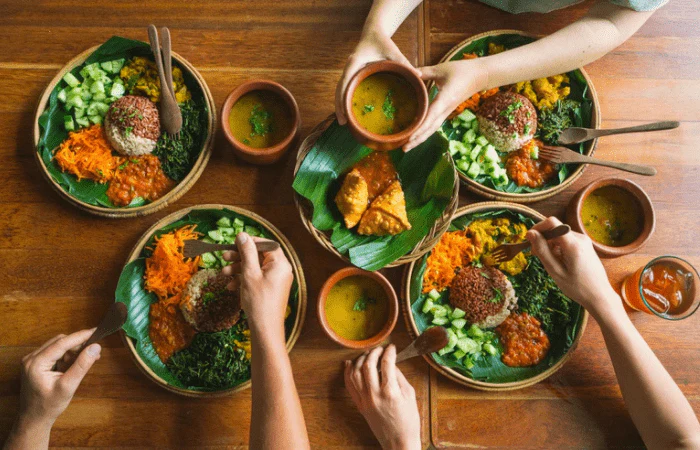
Healthy eating is often misunderstood as strict dieting, cutting out favourite foods, or following complicated meal plans. But the truth is, you don’t need to give up your favourite Indian dishes to stay healthy. A balanced Indian diet is all about portion control, smart combinations, and mindful eating.
With rising lifestyle diseases like diabetes, obesity, and heart conditions in India, building a nutritious plate has never been more important. The good news? You can enjoy your regular meals—dal, roti, rice, sabzi—while still maintaining a healthy lifestyle.
What Is a Balanced Indian Diet?
A balanced diet provides your body with all essential nutrients—carbohydrates, proteins, fats, vitamins, and minerals—in the right proportions.
In the Indian context, this means combining traditional foods in a way that supports digestion, energy, and long-term health. Instead of eliminating food groups, the focus should be on balance.
An easy method of making a healthy meal is to split your plate into three:
- Half the plate: Veggies (sabzi, salad, leafy greens)
- One-quarter: Protein (dal, paneer, eggs, chicken, fish)
- One-quarter: Carbs (roti, rice, millets)
Don’t skip your staples
According to Ginni Kalra, Head Dietetics, Aakash Healthcare, “The Indian meals are already well-balanced, as long as one eats them in the appropriate amounts. Roti, rice, dal, sabzi, curd these are not unhealthy foods. Actually, they supply vital nutrients required by your body on daily basis. Rather than avoiding carbs such as roti or rice, concentrate on eating in moderation. As an illustration, you can get 1-2 rotis of dal and lots of veggies. Assuming you like rice, then be moderate in the intake and have it with foods rich in protein.”
Add more protein to your plate
Low protein intake is one of the pitfalls in Indian diets. Protein assists in muscle power, metabolism, and makes you fuller. Easy methods of adding protein:
- Add a bowl of dal or chana.
- Add paneer, tofu, or curd.
- Consume eggs or low-fat meat, if you are not a vegetarian.
Make vegetables the star
Vegetables contain high amounts of fibre, vitamins, and antioxidants. Attempt to consume no less than 2-3 kinds of vegetables in every day meals. You can:
- Add salad to lunch or dinner.
- Add vegetables to dal or pulao.
- Snack on fruits instead of packaged foods
Don’t fear healthy fats
Ghee, nuts and seeds are misconstrued. When taken in moderation, they are even beneficial to your body. One teaspoon of ghee on roti or a handful of nuts may help to maintain the heart and provide energy. It is all a matter of moderation- do not overdo it, but do not get rid of them altogether.
Eat mindfully, not perfectly
Healthy eating is not a perfect thing. It’s about consistency. You don’t have to avoid sweets or fried foods completely. Have them now and then guilt-free. And how you eat, also, attend to:
- Eat slowly
- Distractions such as phones should be avoided.
- Pay attention to your hunger and fullness.
Eating right does not imply dieting. It involves smarter decisions regarding the food that you consume. With the appropriate average of vegetables, protein and carbs on an Indian plate, you can remain healthy, productive and full to the brim and still enjoy the pleasure of eating.
Disclaimer: Dear readers, this article provides general information and advice only. It is not at all professional medical advice. Therefore, always consult your doctor or a healthcare specialist for more information.













Leave a comment