

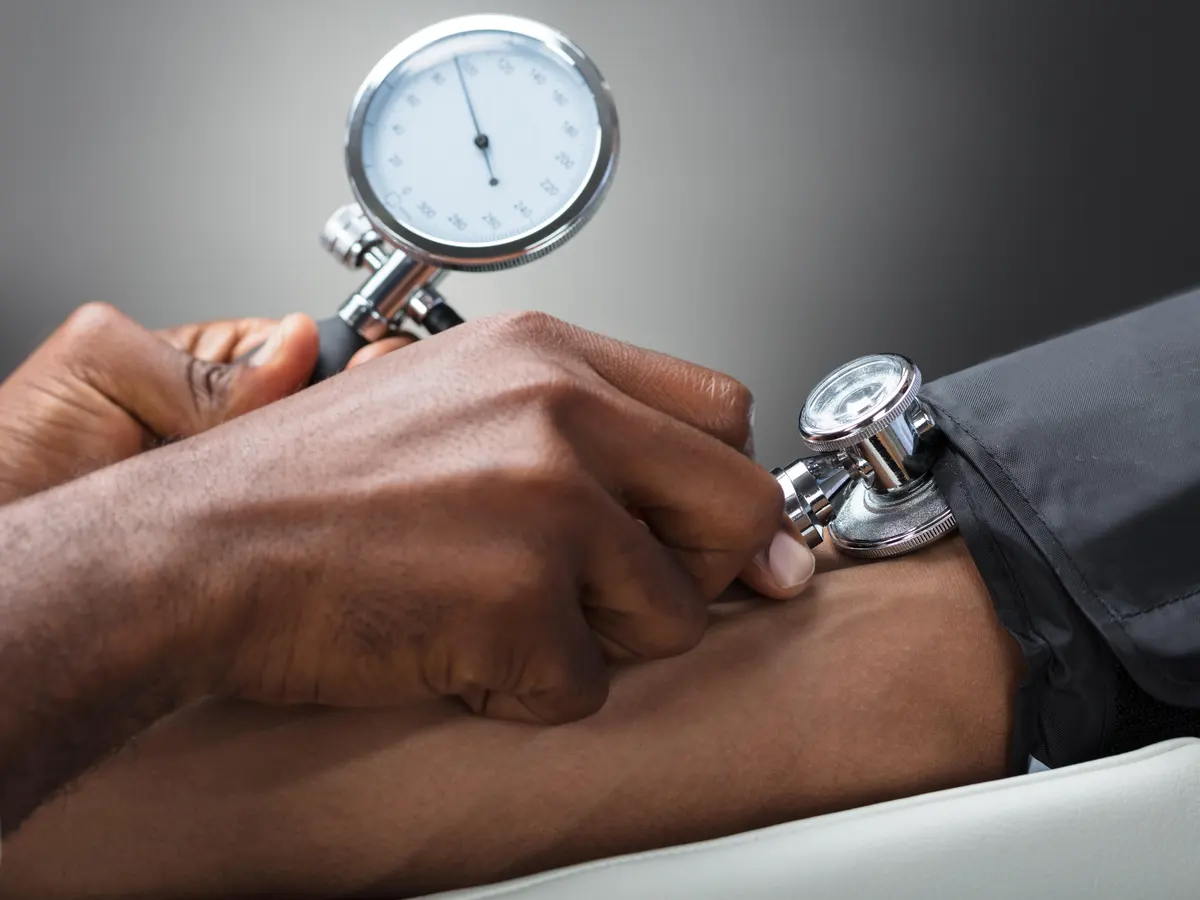
High blood pressure, commonly known as hypertension, continues to be one of the world’s biggest health threats, silently affecting nearly 1.4 billion people globally. On World Hypertension Day 2026, health experts are once again warning that millions remain unaware they are living with dangerously high blood pressure until serious complications develop.
Often called the “silent killer,” hypertension usually shows no obvious symptoms in its early stages. Yet over time, it can quietly damage the heart, brain, kidneys, and blood vessels, increasing the risk of heart attack, stroke, heart failure, and kidney disease.
According to the World Health Organization, hypertension is one of the leading causes of premature death worldwide. The WHO estimates that about 1.28 billion adults aged 30–79 years globally are living with hypertension, and nearly half do not know they have the condition.
The Centers for Disease Control and Prevention also notes that uncontrolled high blood pressure can significantly increase the risk of cardiovascular disease, which remains the leading cause of death globally.
Why hypertension is rising worldwide
Health experts say modern lifestyles are fueling the growing burden of hypertension. Sedentary habits, processed food consumption, excess salt intake, chronic stress, obesity, poor sleep, smoking, and alcohol use are all contributing to rising blood pressure levels across age groups.
India, too, is witnessing a sharp increase in hypertension cases, especially among younger adults. Long working hours, high stress levels, lack of physical activity, and unhealthy eating patterns are making high blood pressure more common even in people in their 20s and 30s.
Dr. Neeraj Kapoor, a senior cardiologist, says:
“Many patients are shocked when they discover they have hypertension because they feel completely normal. That is why it is called a silent killer. By the time symptoms appear, damage to the heart or blood vessels may have already started.”
Common risk factors people ignore
Several everyday habits can silently push blood pressure levels higher over time. These include:
- Eating excessive salty or processed foods
- Lack of regular exercise
- Chronic stress and anxiety
- Smoking and excessive alcohol consumption
- Poor sleep quality
- Obesity and abdominal fat
- Family history of hypertension
Doctors also warn that conditions such as diabetes, kidney disease, and high cholesterol can worsen hypertension-related complications.
Symptoms may appear late
While hypertension is often symptomless, severely elevated blood pressure can sometimes cause warning signs such as:
- Frequent headaches
- Dizziness
- Blurred vision
- Chest pain
- Shortness of breath
- Fatigue
- Nosebleeds in severe cases
However, experts stress that waiting for symptoms can be dangerous. Regular blood pressure screening remains the best way to detect the condition early.
Prevention starts with small lifestyle changes
The WHO emphasizes that most hypertension-related complications can be prevented through lifestyle modifications and timely treatment.
Doctors recommend:
- Reducing salt intake
- Eating more fruits and vegetables
- Exercising regularly
- Maintaining a healthy weight
- Managing stress
- Avoiding tobacco and limiting alcohol
- Getting routine blood pressure checks
For some patients, medication may also be necessary to keep blood pressure under control.
As the world marks World Hypertension Day 2026, health experts are urging people not to ignore routine health check-ups. With billions affected globally and cases continuing to rise, awareness, early diagnosis, and healthier lifestyles remain the strongest defense against this silent but deadly condition.












Leave a comment