

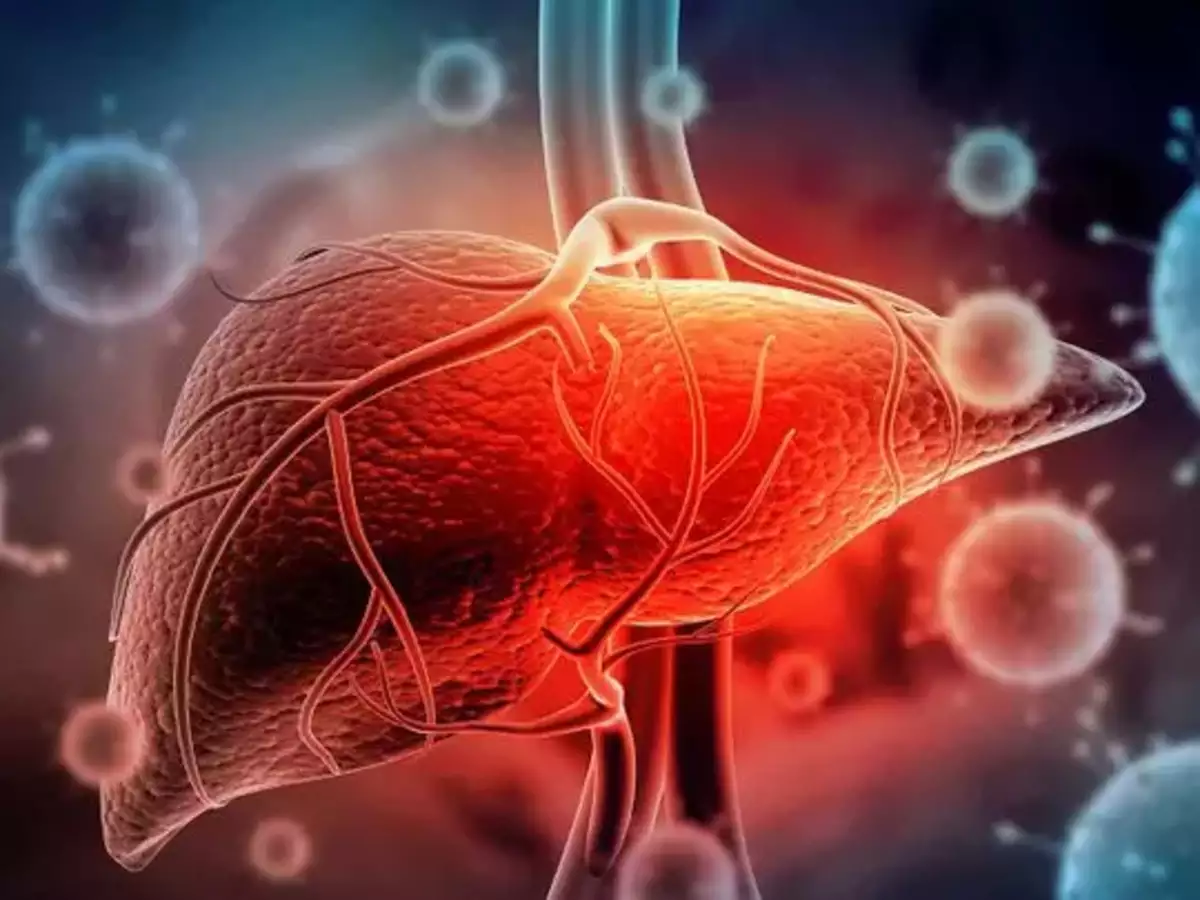
Another disturbing health trend has emerged as the number of cases of Metabolic dysfunction-associated steatotic liver disease (MASLD) has been increasing exponentially in the last three decades across the globe. According to a study published in The Lancet Gastroenterology and Hepatology it was estimated that approximately 1.3 billion individuals worldwide were living with MASLD in 2023 an astounding 143 per cent increase since 1990.
About the Lancet findings
The surge in MASLD cases is being driven by lifestyle changes as revealed in the analysis which is based on the Global Burden of Diseases (GBD) 2023 study data. According to experts with the current trends the cases of MASLD may hit almost 1.8 billion by the year 2050. The findings further note that rising obesity, poor diets and high blood sugar levels are contributing largely to this rise where certain regions are experiencing disproportionate rates more so in North Africa and the Middle East than in the rest of the world.
What is MASLD?
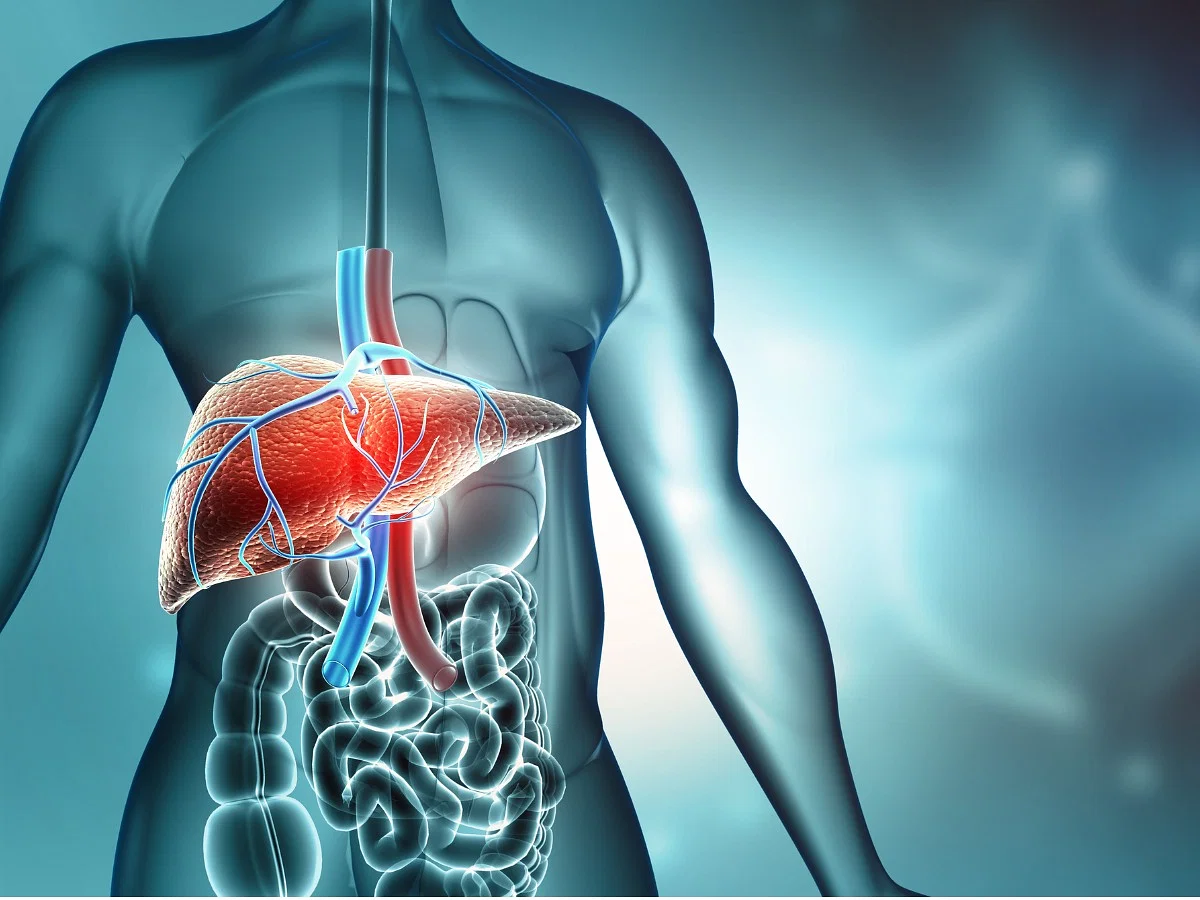
The MASLD previously known as non-alcoholic fatty liver disease (NAFLD) is a condition that results when the amount of fat accumulates in the liver of individuals who consume very little or no alcohol. In the long run this may result in inflammation, liver damage and in extreme cases cirrhosis or liver failure. The Mayo Clinic argues that MASLD is commonly associated with conditions that are metabolic in nature including obesity, diabetes type 2, high cholesterol and insulin resistance.
Why rising MASLD cases are concerning
One of the most significant issues about MASLD is that it is not always associated with symptoms in its initial phases. Many people may not even realise they have the condition until it progresses. According to the Cleveland Clinic the disease progresses and is likely to cause fatigue, abdominal pains and in extreme cases it ay result in liver issues. Experts indicate that the disease is becoming a big issue among the populations due to the silent nature of MASLD coupled with the contemporary sedentary lifestyle.
Expert shares prevention tips
Data of the latest findings are troublesome but the good news is that MASLD can be avoided to a great extent and its recovery is possible at its initial phases provided the appropriate lifestyle changes are made. Here are some tips recommended by Dr. Vikas Jindal, Consultant, Dept of Gastroenterology at the CK Birla Hospital, Delhi:
- Maintain a healthy weight: Even losing a little bit of weight can make a great difference and decrease liver fat and overall liver health.
- Eat a balanced diet: Pay attention to whole foods such as fruits, vegetables, whole grains and lean proteins. Avoid junk food, sweetened beverages and too much saturated fats.
- Stay physically active: Exercise can aid in enhancing metabolism and preventing fat buildup in the liver.
- Control blood sugar levels: Managing blood sugar levels amidst the treatment of diabetes or prediabetes is very important in avoiding liver damage.
- Limit alcohol and avoid smoking: Alcohol does not cause MASLD but restricting alcohol intake can help the liver withstand other stressors.
The content above is only for informational purposes. It is not at all professional medical advice. Always consult your doctor or a healthcare specialist for any questions regarding your health or a medical condition.












Leave a comment