

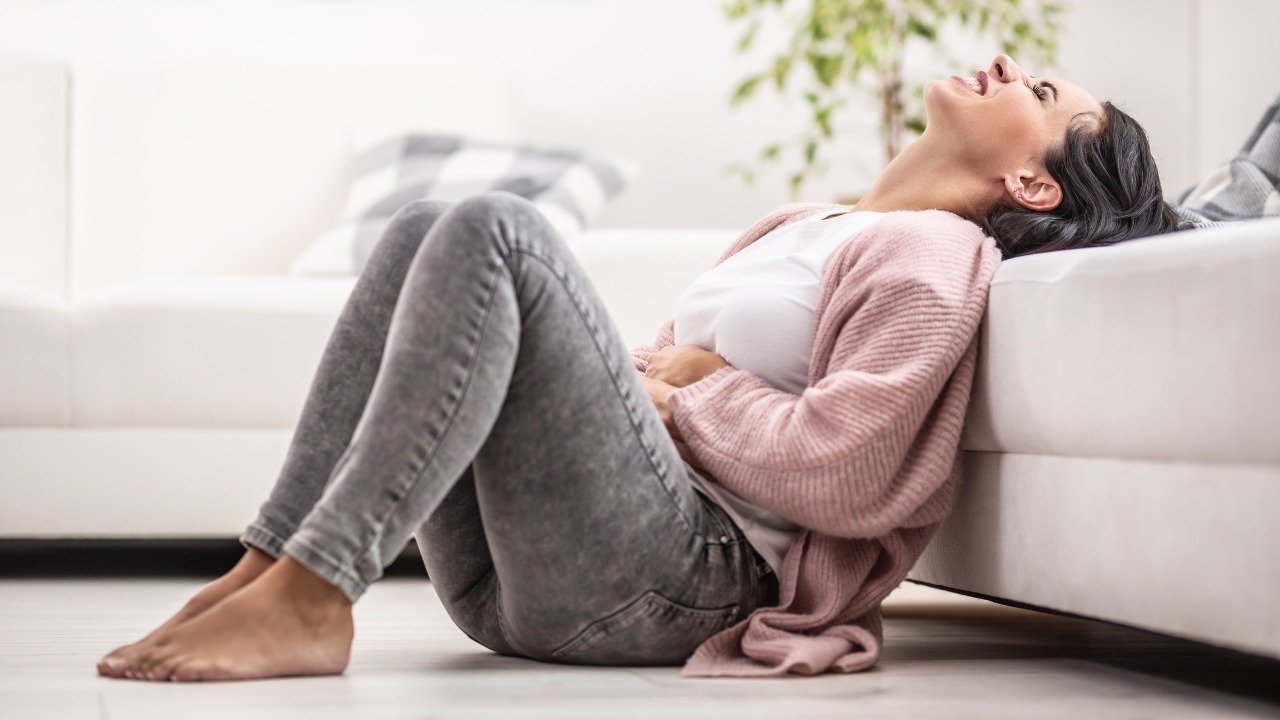
Menstrual hygiene has become a more open topic of discussion in recent years, with conversations around sanitary pads, menstrual cups, tampons, and reusable cloth products gaining visibility. However, doctors say the real menstrual health crisis goes far beyond simply choosing a period product. On World Menstrual Hygiene Day 2026, health experts are warning that millions of women still face poor menstrual awareness, unsafe hygiene practices, infections, stigma, and lack of healthcare access.
Despite medical advancements and growing awareness campaigns, menstruation remains heavily stigmatised in many communities. For countless girls and women, periods are still associated with shame, secrecy, and misinformation.
According to Dr. Neha Gupta, Consultant Obstetrician and Gynaecologist, menstrual hygiene is directly linked to reproductive health and overall wellbeing. “Menstrual hygiene is not only about using pads or cups. It includes proper cleaning practices, timely changing of products, awareness about infections, nutrition, and understanding when symptoms are abnormal,” she explains.
Doctors say poor menstrual hygiene can increase the risk of bacterial infections, urinary tract infections (UTIs), skin irritation, fungal infections, and even reproductive health complications in some cases.
One of the biggest concerns remains the prolonged use of sanitary products. Many women continue wearing the same pad for several hours due to lack of access, busy schedules, or social discomfort around changing products in public spaces.
“Women should ideally change sanitary pads every four to six hours depending on menstrual flow. Prolonged use creates moisture and warmth, which can promote bacterial growth and irritation,” says Dr. Gupta.
Experts also warn that reusable cloth pads and menstrual cups require proper washing and sterilisation. While they are considered sustainable and cost-effective alternatives, poor maintenance may increase infection risks.
Apart from hygiene habits, doctors say many women ignore symptoms that should actually prompt medical attention. Severe cramps, unusually heavy bleeding, irregular cycles, foul-smelling discharge, itching, or periods lasting more than seven days may sometimes indicate conditions such as PCOS, endometriosis, fibroids, or hormonal imbalance.
Nutrition and hydration also play an important role during menstruation. Health professionals recommend consuming iron-rich foods, staying hydrated, and avoiding excessive junk food intake during periods to support energy levels and reduce weakness.
Mental health is another aspect that often remains ignored. Hormonal fluctuations during menstruation can contribute to mood swings, anxiety, fatigue, and emotional stress.
“Many young girls grow up believing period pain and emotional distress should simply be tolerated. But severe symptoms should never be normalised,” Dr. Gupta adds.
Another major challenge is period poverty. Millions of women globally still lack access to affordable sanitary products, clean toilets, safe disposal systems, and menstrual education. In several rural and underprivileged communities, girls continue missing school because of inadequate menstrual facilities.
Experts believe education is the strongest tool to break menstrual stigma. Schools, families, and workplaces are increasingly being encouraged to create safe spaces where women can discuss menstrual health openly without embarrassment.
Doctors say menstrual hygiene awareness should start early, especially among adolescents entering puberty. Open conversations can help girls understand their cycles better and seek help without fear or shame.
On World Menstrual Hygiene Day 2026, health experts stress that periods are not merely a monthly inconvenience — they are an essential indicator of women’s health. Proper hygiene, awareness, timely medical care, and accessible menstrual healthcare remain crucial in protecting women’s wellbeing across all age groups.












Leave a comment