

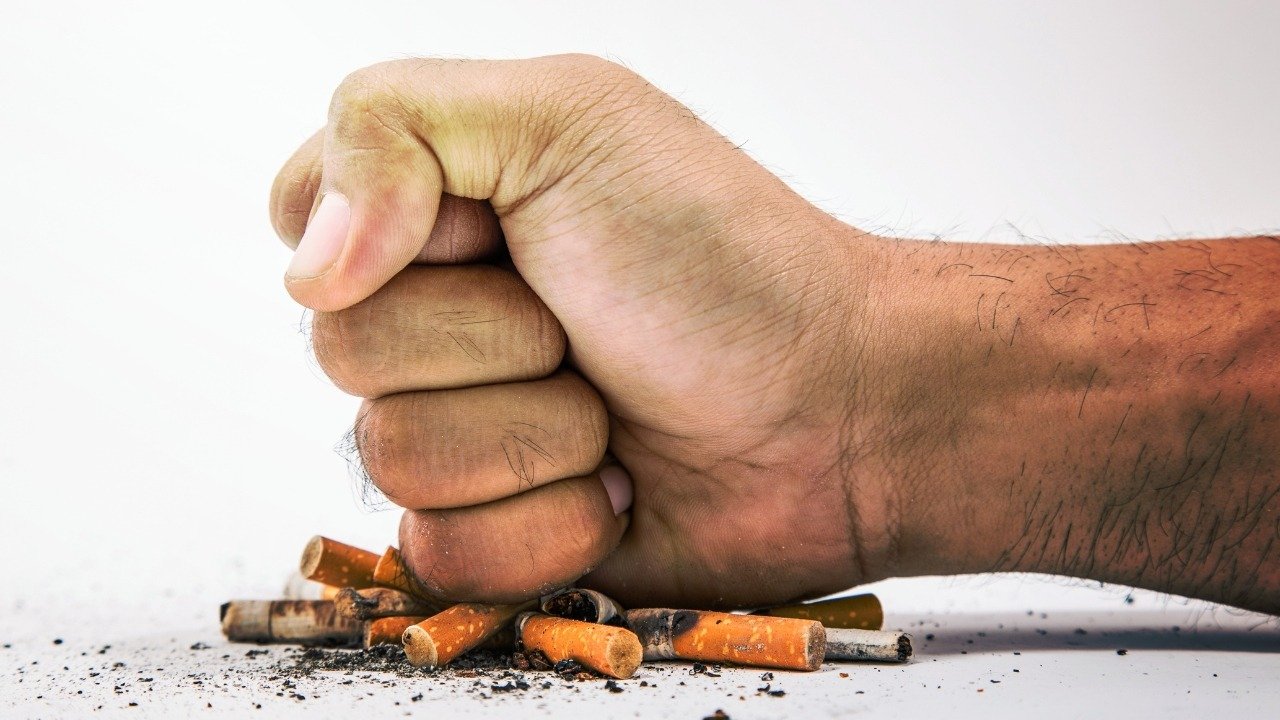
Quitting smoking is one of the best decisions a person can make for their health. While many smokers worry that the damage caused by years of tobacco use is irreversible, doctors say the body begins repairing itself almost immediately after the last cigarette. From improved circulation and lung function to a lower risk of heart disease and cancer, the benefits of quitting start much sooner than most people realise.
According to Dr. Rajiv Narang, Senior Cardiologist at AIIMS, New Delhi, the human body has a remarkable ability to heal once exposure to tobacco stops.
“Many smokers believe the damage is permanent. While some effects may persist, the body starts recovering within minutes of quitting. Every smoke-free day contributes to better heart, lung, and overall health,” he says.
Here’s a look at what happens to your body after you stop smoking.
After 20 Minutes
The first positive changes begin almost immediately. Within 20 minutes of smoking your last cigarette, your heart rate and blood pressure start dropping toward normal levels. Blood circulation also begins improving.
After 12 Hours
Cigarette smoke contains carbon monoxide, a toxic gas that reduces the amount of oxygen carried by the blood. Within about 12 hours of quitting, carbon monoxide levels return to normal, allowing the body’s tissues to receive more oxygen.
After 24 Hours
Just one day after quitting, the risk of heart attack starts to decline. The body begins clearing residual toxins, and blood vessels start functioning more efficiently.
After 48 Hours
Within two days, nicotine is largely eliminated from the body. Many people experience withdrawal symptoms during this period, including cravings, irritability, headaches, and difficulty concentrating.
However, there is good news. The nerve endings responsible for smell and taste begin recovering, making food and scents more enjoyable.
After Two Weeks to Three Months
This is when many smokers begin noticing significant physical improvements.
“Lung function starts improving, circulation gets better, and physical activities become easier. Many people find they can walk longer distances without becoming breathless,” explains Dr. Narang.
Coughing and shortness of breath may temporarily increase as the lungs begin clearing accumulated mucus and debris.
After One to Nine Months
The tiny hair-like structures inside the lungs, known as cilia, gradually recover. These structures help remove mucus, bacteria, and harmful particles from the respiratory tract.
As lung health improves, coughing decreases, breathing becomes easier, and the risk of respiratory infections begins to fall.
After One Year
The risk of coronary heart disease becomes about half that of a person who continues smoking. Blood vessel function improves significantly, reducing strain on the heart.
After Five Years
Stroke risk declines substantially and may approach that of a non-smoker, depending on previous smoking history and overall health.
The risk of cancers of the mouth, throat, oesophagus, and bladder also starts decreasing.
After 10 Years
The risk of dying from lung cancer drops dramatically compared with someone who continues smoking. Risks for several other cancers also continue to decline.
After 15 Years
For many former smokers, the risk of heart disease becomes similar to that of a person who has never smoked.
The Mental Health Benefits
Apart from physical recovery, quitting smoking can improve mental wellbeing. Although withdrawal symptoms may temporarily increase stress and anxiety, studies suggest that long-term smoking cessation is associated with better mood, reduced anxiety, and improved quality of life.
Doctors recommend seeking support through counselling, nicotine replacement therapy, support groups, or smoking cessation programmes to improve success rates.
“Every cigarette not smoked is a step toward recovery. It is never too late to quit. Whether you stop at 25 or 65, your body will benefit,” says Dr. Narang.
The recovery timeline clearly shows that quitting smoking is not just about preventing future disease—it is about allowing your body to heal, one day at a time.













Leave a comment