

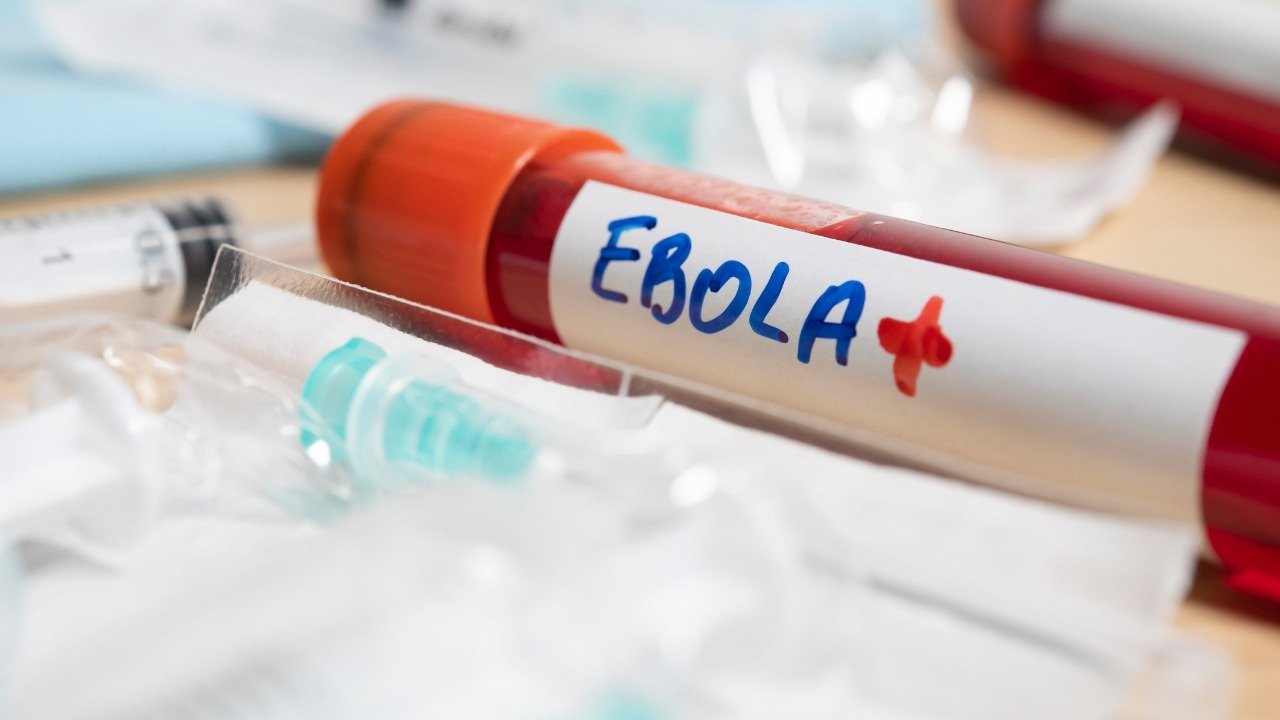
The ongoing Ebola outbreak has once again raised concerns about whether the world could face another pandemic similar to COVID-19. While health experts stress that Ebola is a highly dangerous virus with a high fatality rate, they also point out that it behaves very differently from the coronavirus.
Understanding these differences is important for separating genuine public health risks from unnecessary panic.
According to Dr. Chandrakant Lahariya, public health expert and epidemiologist, Ebola is far less transmissible than COVID-19 despite being significantly more deadly.
“Ebola requires direct contact with infected bodily fluids for transmission. COVID-19 spreads through respiratory droplets and airborne particles, making it much easier to infect large populations,” he explains.
Ebola symptoms often include fever, severe weakness, vomiting, diarrhoea, muscle pain, and, in some cases, internal and external bleeding. The disease can progress rapidly and requires urgent medical care.
One reason health agencies remain concerned is the virus’s high mortality rate. Depending on the strain and healthcare access, Ebola outbreaks have historically recorded fatality rates ranging from 25% to 90%.
COVID-19, by comparison, had a much lower fatality rate but spread far more efficiently because infected individuals could unknowingly transmit the virus through everyday interactions.
Experts say this fundamental difference reduces the likelihood of Ebola causing a global pandemic on the same scale.
However, Ebola still presents major challenges. Delayed diagnosis, weak healthcare infrastructure, and limited resources in affected regions can allow outbreaks to grow rapidly.
“The danger lies in local outbreaks becoming larger because of delayed detection and inadequate public health response. Early identification and contact tracing remain critical,” says Dr. Lahariya.
Another concern is international travel. Although the risk remains low, infected travellers could potentially transport the virus across borders before symptoms become severe.
This is why countries often increase airport screening, surveillance, and emergency preparedness measures whenever Ebola outbreaks occur.
Researchers are also working to develop vaccines and treatments specifically targeting the Bundibugyo strain currently causing concern. While progress is being made, experts emphasise that surveillance remains essential.
Doctors advise travellers returning from affected regions to monitor symptoms carefully and seek medical attention if they develop fever, vomiting, weakness, or other signs of illness.
The current Ebola outbreak serves as a reminder that infectious diseases continue to pose global threats. While Ebola is unlikely to trigger a COVID-like pandemic, public health agencies stress that vigilance, preparedness, and international cooperation remain essential for preventing further spread.















Leave a comment