


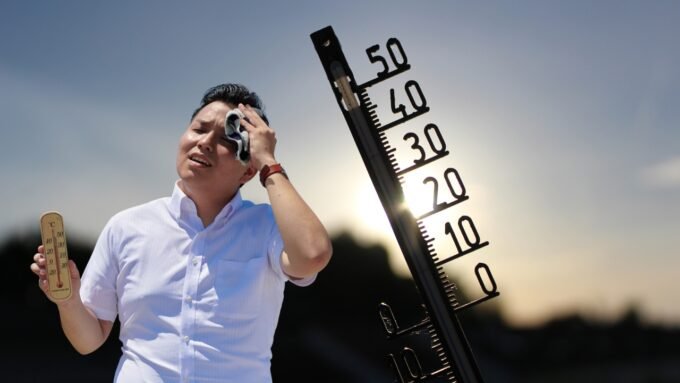
When temperatures soar during the summer months, most people worry about dehydration, heat exhaustion, or sunstroke. However, doctors are warning about another serious health threat that often goes unnoticed — an increased risk of stroke.
A stroke occurs when blood flow to a part of the brain is interrupted, either due to a blockage in a blood vessel (ischemic stroke) or bleeding in the brain (hemorrhagic stroke). Without timely treatment, brain cells begin to die within minutes, making stroke a medical emergency.
Health experts say that extreme heat and dehydration can create conditions that increase the likelihood of a stroke, particularly among older adults, people with hypertension, diabetes, heart disease, and those who spend long hours outdoors.
How does hot weather increase stroke risk?
According to Dr. Vinit Banga, Director & HOD, Neurology, Fortis Escorts Hospital, Faridabad, dehydration is one of the biggest concerns during summer.
“High temperatures can lead to excessive sweating and fluid loss. When the body becomes dehydrated, blood volume decreases and the blood can become thicker. This may increase the risk of clot formation, which can potentially block blood vessels supplying the brain and trigger a stroke,” explains Dr. Banga.
Experts also point out that dehydration can cause fluctuations in blood pressure. In some individuals, blood pressure may drop significantly, while in others, especially those with uncontrolled hypertension, extreme heat can place additional stress on the cardiovascular system.
Who is most vulnerable?
While anyone can be affected, certain groups face a higher risk during hot weather.
“Older adults often have a reduced thirst sensation and may not realise they are becoming dehydrated. Patients with diabetes, hypertension, heart disease, obesity, or a previous history of stroke need to be especially cautious during summer months,” says Dr. Banga.
People who work outdoors, including construction workers, traffic personnel, delivery workers, and athletes, may also face an increased risk if they do not replace lost fluids adequately.
Warning signs of stroke you should never ignore
Recognising stroke symptoms quickly can save lives and reduce the risk of permanent disability.
Doctors recommend remembering the acronym FAST:
- F – Face drooping
- A – Arm weakness
- S – Speech difficulty
- T – Time to call emergency medical services
Other warning signs may include sudden dizziness, loss of balance, blurred vision, severe headache, confusion, or numbness on one side of the body.
“Many patients ignore early symptoms, assuming they are caused by fatigue or heat exposure. Any sudden neurological symptom should be treated as a medical emergency,” says Dr. Banga.
Simple ways to reduce stroke risk in summer
Preventing dehydration is one of the most effective ways to lower stroke risk during hot weather.
Doctors recommend:
- Drinking adequate water throughout the day, even if you do not feel thirsty
- Avoiding prolonged exposure to direct sunlight during peak afternoon hours
- Limiting excessive alcohol consumption, which can worsen dehydration
- Eating water-rich fruits and vegetables such as watermelon, cucumber, and oranges
- Monitoring blood pressure regularly, especially if you have hypertension
- Continuing prescribed medications and attending regular health check-ups
“Stroke prevention starts with managing risk factors. Staying hydrated, controlling blood pressure, maintaining a healthy lifestyle, and seeking immediate medical care when symptoms appear can significantly improve outcomes,” advises Dr. Banga.
Summer heat is more than just an inconvenience. For vulnerable individuals, extreme temperatures can increase the risk of serious health complications, including stroke. As heatwaves become more frequent, understanding the connection between dehydration, blood circulation, and brain health is essential.
A simple habit like drinking enough water and recognising early warning signs could make the difference between recovery and lifelong disability. When it comes to stroke, every minute matters.












Leave a comment