

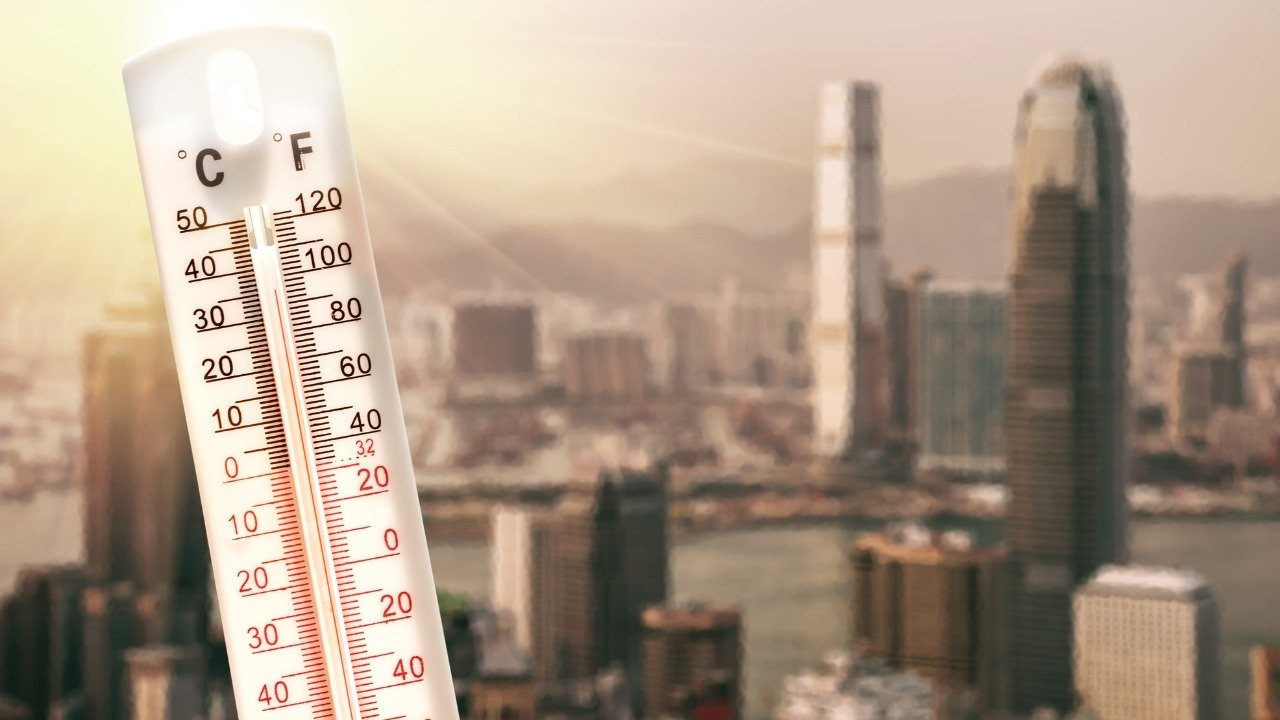
As India experiences increasingly intense summers, researchers and health experts are warning that heatwaves may become one of the country’s most serious public health threats. Emerging studies suggest that rising temperatures could lead to a significant increase in heat-related illnesses and deaths across urban areas.
Doctors say heatwaves affect much more than comfort. Extreme temperatures place stress on the heart, kidneys, brain, and respiratory system, particularly among vulnerable populations.
According to Dr. Naresh Trehan, Chairman and Managing Director of Medanta, Gurugram, heat exposure can trigger a wide range of medical emergencies.
“Heat-related illness begins with dehydration and exhaustion but can quickly progress to heatstroke, cardiovascular complications, kidney injury, and even death if intervention is delayed,” he says.
Older adults, young children, outdoor workers, pregnant women, and individuals with chronic diseases face the highest risk.
One major concern is dehydration. Excessive sweating causes the body to lose fluids and electrolytes necessary for normal functioning. Without adequate replacement, blood circulation becomes less efficient, forcing the heart to work harder.
Doctors say common warning signs include dizziness, headache, fatigue, muscle cramps, excessive thirst, nausea, confusion, rapid heartbeat, and reduced urination.
Heatstroke is the most severe heat-related emergency. It occurs when the body’s cooling system fails and internal temperature rises dangerously high. Symptoms may include confusion, loss of consciousness, seizures, and extremely high body temperature.
Urban residents face additional risks because of the “urban heat island” effect. Concrete buildings, asphalt roads, and limited green cover trap heat, making cities significantly hotter than surrounding areas.
“People often underestimate how quickly dehydration develops during extreme heat. Waiting until you feel thirsty may already be too late,” says Dr. Trehan.
Doctors recommend drinking water regularly throughout the day, limiting outdoor activity during peak afternoon hours, and wearing lightweight clothing.
A summer-friendly diet can also help. Water-rich fruits such as watermelon, cucumber, oranges, and muskmelon support hydration while providing essential nutrients.
Experts also advise avoiding excessive caffeine, alcohol, and sugary beverages, which may worsen fluid loss.
Employers are increasingly being encouraged to modify outdoor work schedules during extreme heat periods to reduce occupational risks.
Public health experts believe climate change is making heatwaves longer, more frequent, and more intense. As a result, awareness and preparedness have become more important than ever.
Doctors stress that heat-related illness is largely preventable. Recognising symptoms early, staying hydrated, seeking shade, and responding quickly to warning signs can dramatically reduce the risk of serious complications.
As temperatures continue to rise, health professionals urge people not to dismiss heatwaves as merely a seasonal inconvenience. For many vulnerable individuals, they can become life-threatening emergencies requiring immediate attention.
















Leave a comment