

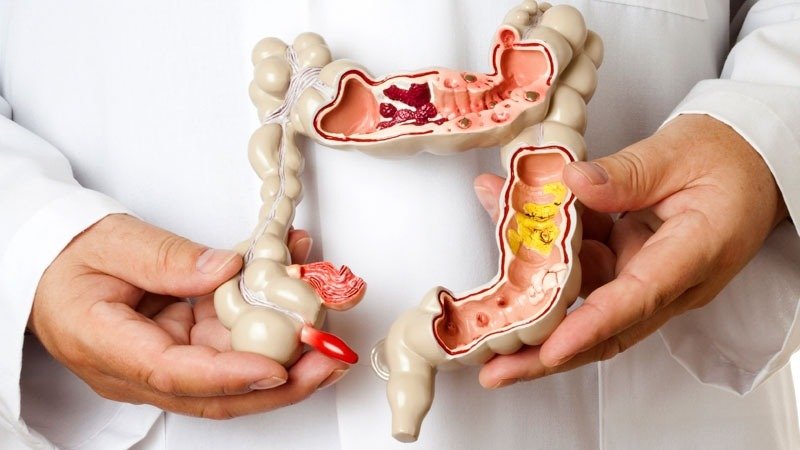
Irritable Bowel Syndrome (IBS) is a widespread gastrointestinal condition which usually remains unpredictable and symptoms are aggravated when a person experiences stress. Starting with sudden abdominal cramps and irregular bowel movements most people observe that their condition is worsened when faced with emotional or psychological stress. Experts say that these are not a coincidence but the outcome of the strong bond between the brain and the gut.
What triggers IBS flare-ups when stressed?
Dr. Vikas Jindal, Consultant, Department of Gastroenterology, CK Birla Hospital, Delhi says that stress contributes significantly to the disruption of internal balance of the gut. In a process of long term or recurring stress, the gut microbiome which is the group of healthy bacteria in the digestive system may become out of balance a phenomenon called dysbiosis.
This imbalance disrupts normal digestion and produces more gas causing bloating, discomfort and irregular bowel patterns. Low-grade inflammation in the intestinal lining can also be induced by stress, and though this would not be apparent in routine testing it is sufficient to aggravate IBS symptoms.
Dr. Jindal also states that stress can make the intestines more permeable also known as a leaky gut. This way irritants are more easily penetrated through the gut lining worsening the irritation and making the symptoms more serious.
Role of hormones and gut-brain axis
Dr. Sakshi Goel, Senior Consultant Obstetrics and Gynecology at Rainbow Children’s Hospital, Delhi, points out the significance of the gut-brain axis the interaction between the brain and the digestive system. She told TheHealtsiteCom that when the body is under stress it triggers the stress response that releases cortisol and adrenaline. According to Dr. Goel these hormones have a direct influence on the movement of food along the intestines. Increased movement may cause diarrhoea and decreased movement may cause constipation. This is how IBS symptoms may differ widely among individuals during stressful situations.
How stress can worsen IBS symptoms
According to experts, stress does not only change the patterns of bowel movements but also enhances visceral sensitivity. This implies that the gut becomes sensitive to the normal body processes such as movement of gases or slight contractions. As a result sensations that would typically go unnoticed are perceived as pain or discomfort. It is due to this heightened sensitivity that patients with IBS commonly complain of an increased level of abdominal cramps, bloating and urgency to have stools in emotionally stressful circumstances.
Both healthcare professionals conclude that the symptoms of IBS can be altered in stressful situations due to the close correlation between the gut and the brain. From hormonal changes to microbial imbalance and increased sensitivity, stress impacts multiple aspects of digestive health. They suggest that it is important to address the physical and emotional triggers in order to maintain IBS symptoms under control and increase the quality of life.
(World IBS Day is observed on April 19 annually to raise global awareness, reduce stigma and support people worldwide living with Irritable Bowel Syndrome.)















Leave a comment