

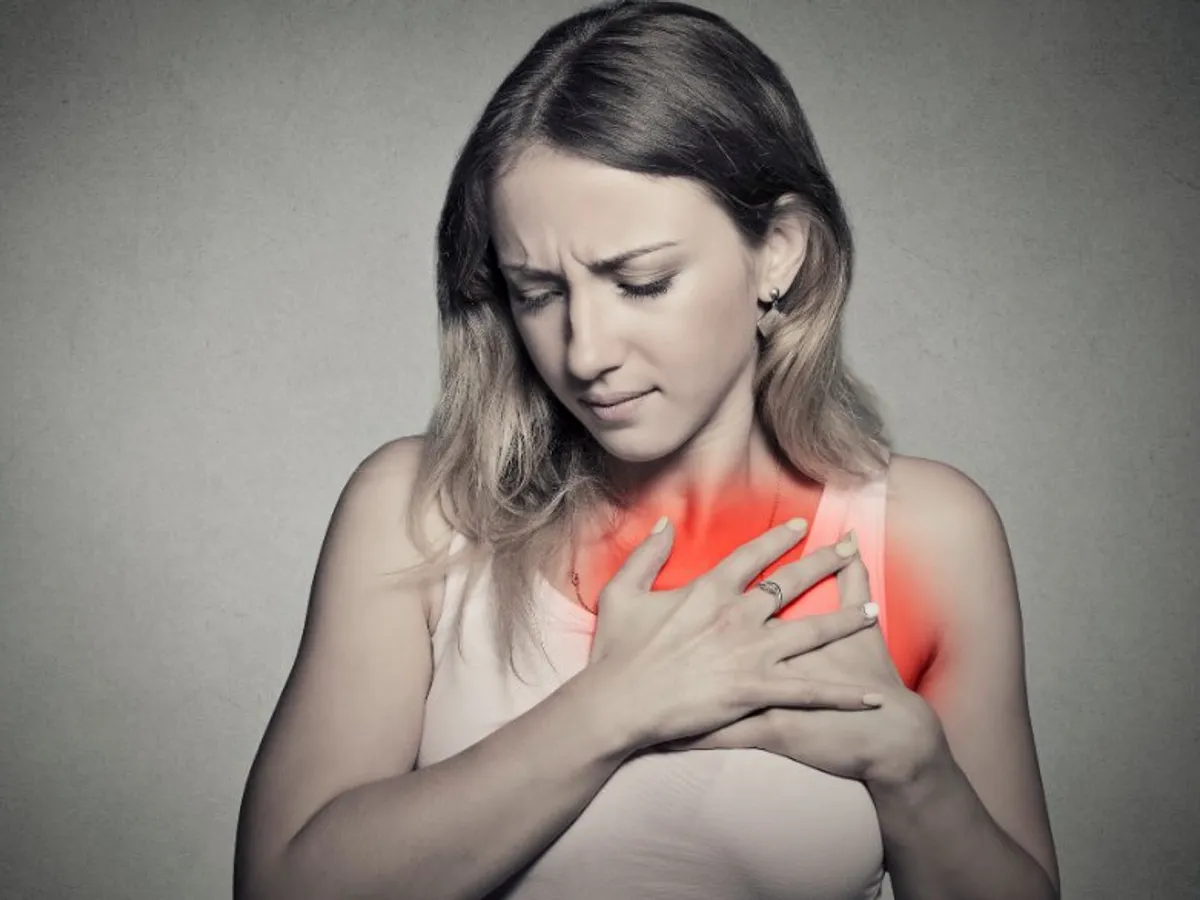
Cardiologists are increasingly raising concerns over a disturbing trend — sudden heart attacks occurring in people who appear outwardly healthy, active, and fit. From young professionals and gym-goers to individuals with no obvious history of heart disease, doctors say cardiac emergencies are no longer limited to older or visibly unhealthy populations.
The rise in unexpected cardiac events has sparked growing concern among health experts, especially as many patients show few or no warning signs before suffering a heart attack.
According to the World Health Organization, cardiovascular diseases remain the leading cause of death globally, accounting for nearly 18 million deaths every year. Experts say modern lifestyle patterns are increasingly pushing heart disease into younger and seemingly healthy populations.
Doctors warn that appearance alone is not a reliable indicator of cardiovascular health. Many individuals who look slim or physically active may still have underlying risk factors such as high cholesterol, stress-related hypertension, insulin resistance, inflammation, or undiagnosed genetic conditions.
Dr. Vivek Sharma, an interventional cardiologist, explains:
“A person may look healthy externally but still have silent cardiovascular risks internally. We are seeing heart attacks in people who exercise, work normally, and have no obvious symptoms. Stress, poor sleep, smoking, processed diets, and undetected metabolic disorders are major contributors.”
Why “healthy-looking” people may still be at risk
Experts say several hidden factors can silently damage the heart over time, including:
- Chronic stress and anxiety
- High cholesterol levels
- Undiagnosed high blood pressure
- Diabetes or insulin resistance
- Smoking or vaping
- Poor sleep quality
- Excessive gym supplements or steroid misuse
- Family history of heart disease
- Sedentary routines despite occasional exercise
Doctors also warn that some individuals may have underlying plaque buildup in arteries without noticeable symptoms until a major blockage triggers a heart attack.
Stress and modern lifestyles are major triggers
Cardiologists say emotional stress and burnout are becoming major cardiovascular risk factors, especially among urban working populations. Long work hours, irregular sleep cycles, lack of recovery, and unhealthy eating habits can increase inflammation and strain the cardiovascular system.
High-intensity lifestyles combined with smoking, alcohol consumption, and poor dietary habits may further accelerate arterial damage even in younger adults.
Symptoms are not always dramatic
Contrary to popular belief, heart attack symptoms are not always sudden or severe. Many people experience subtle warning signs days or weeks earlier, including:
- Mild chest discomfort
- Breathlessness during routine activity
- Unusual fatigue
- Pain in the jaw, neck, back, or arm
- Dizziness
- Nausea or sweating
In some cases, especially among younger individuals, symptoms may be mistaken for acidity, muscle strain, or stress.
Importance of preventive screening
Doctors say regular health screening is becoming increasingly important even for people who appear healthy externally. Routine monitoring of blood pressure, cholesterol, blood sugar, body fat, and family history can help identify silent cardiovascular risks early.
Dr. Sharma adds:
“Many patients believe that being thin or going to the gym automatically protects them from heart disease. But heart health depends on much more than physical appearance. Preventive testing and lifestyle balance are essential.”
Protecting heart health
Experts recommend:
- Regular cardiovascular screening
- Maintaining healthy sleep patterns
- Managing stress effectively
- Exercising consistently but safely
- Avoiding smoking and steroid misuse
- Eating a balanced, heart-friendly diet
- Limiting alcohol intake
- Monitoring blood pressure and cholesterol
As sudden cardiac events continue to rise among younger and “healthy-looking” individuals, cardiologists say awareness and preventive care are more important than ever.














Leave a comment