

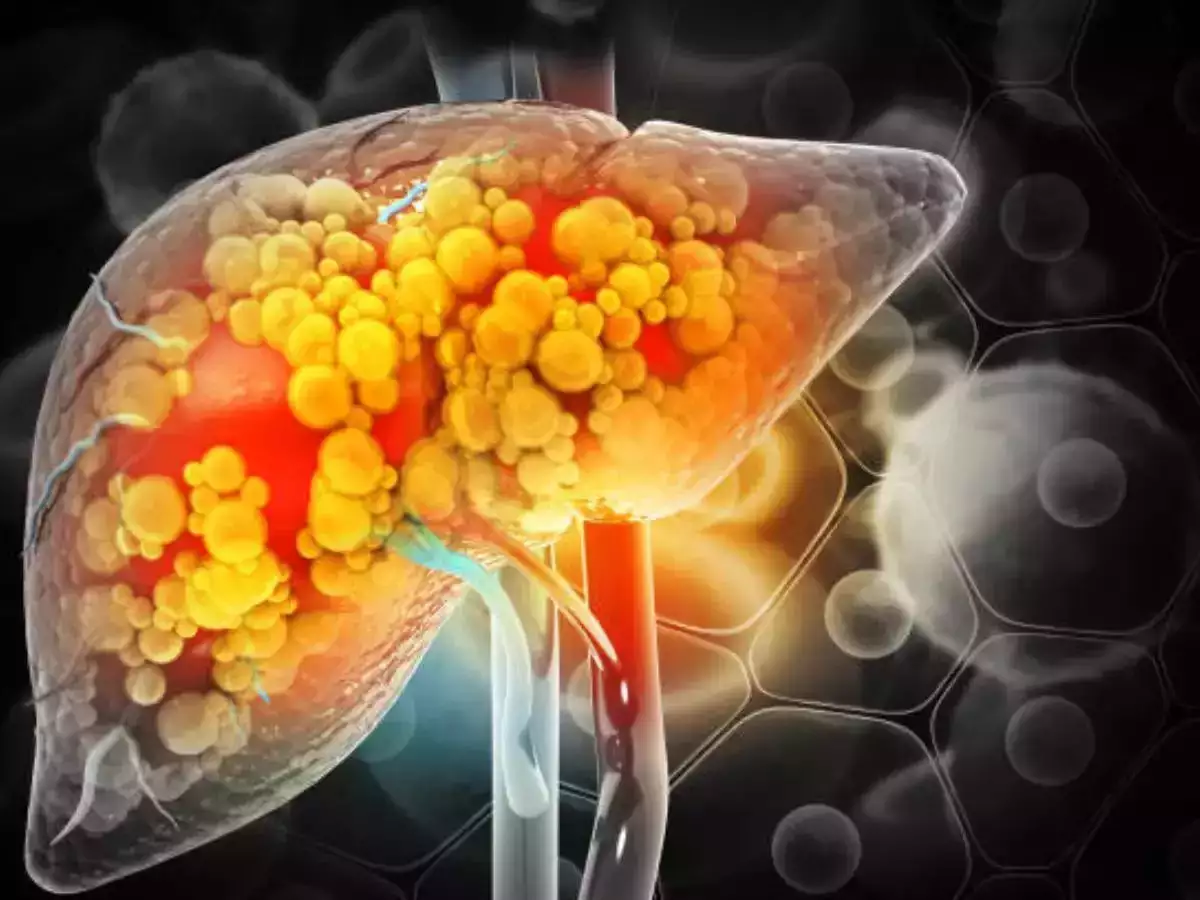
Fatty liver disease is rapidly emerging as one of the most common lifestyle-related health conditions among urban Indians, with doctors warning that the disorder is quietly affecting younger adults at an alarming rate.
Once considered a condition linked mainly to alcohol consumption, fatty liver disease is now increasingly associated with obesity, diabetes, poor diet, stress, and sedentary lifestyles. Health experts say the rise of desk jobs, processed food intake, irregular sleep patterns, and lack of exercise has created the perfect environment for the disease to spread silently across cities.
Known medically as metabolic dysfunction-associated steatotic liver disease (MASLD), formerly called non-alcoholic fatty liver disease (NAFLD), the condition occurs when excess fat accumulates in the liver. In many people, it causes no symptoms initially, allowing damage to progress unnoticed for years.
According to the World Health Organization, liver diseases linked to metabolic disorders are becoming a growing global public health concern due to increasing obesity and diabetes rates worldwide.
The American Liver Foundation states that fatty liver disease can progress from simple fat accumulation to inflammation, liver scarring (fibrosis), cirrhosis, and even liver cancer if left untreated.
Why urban Indians are at higher risk
Doctors say rapid lifestyle changes in urban populations are driving the surge in fatty liver disease cases across India.
Dr. Ankit Sharma, a hepatologist based in Mumbai, explains:
“We are seeing fatty liver disease in younger adults, office workers, and even teenagers. Many patients are not overweight in the traditional sense, but they have abdominal fat, poor diets, high stress levels, and low physical activity. Fatty liver has become a silent urban epidemic.”
One major concern is the rise of “lean fatty liver,” where people who appear thin externally still develop fat accumulation around internal organs due to poor metabolic health.
Common causes behind fatty liver disease
Experts say several lifestyle and metabolic factors increase the risk, including:
- Excess consumption of processed and sugary foods
- Obesity and abdominal fat
- Sedentary lifestyle
- Type 2 diabetes and insulin resistance
- High cholesterol and triglycerides
- Poor sleep and chronic stress
- Excessive alcohol intake in some cases
Fast food, sugary beverages, and long sitting hours are especially contributing to worsening metabolic health among younger urban populations.
Symptoms are often ignored
Fatty liver disease may not show noticeable symptoms in early stages. However, some people may experience:
- Persistent fatigue
- Mild pain or heaviness in the upper right abdomen
- Unexplained weight gain
- Weakness
- Difficulty concentrating
Because symptoms are vague, many cases are detected accidentally during routine blood tests or ultrasounds.
Why early detection matters
Doctors warn that untreated fatty liver disease can slowly progress to serious liver damage. Inflammation can trigger fibrosis, where healthy liver tissue is replaced with scar tissue. Advanced stages may eventually lead to cirrhosis, liver failure, or liver cancer.
The condition is also closely linked to heart disease, diabetes, and hypertension, making it part of a larger metabolic health crisis.
Lifestyle changes remain the best treatment
There is currently no single universal medication that completely cures fatty liver disease, making lifestyle changes the cornerstone of treatment.
Health experts recommend:
- Regular physical activity
- Weight management
- Reducing sugar and processed food intake
- Eating a balanced diet rich in fruits, vegetables, and fiber
- Avoiding excessive alcohol
- Managing diabetes and cholesterol levels
- Prioritizing sleep and stress reduction
Even modest weight loss can significantly improve liver health in many patients.
As fatty liver disease continues to rise among urban Indians, doctors say routine health screenings and early lifestyle intervention are becoming increasingly important to prevent long-term complications.
















Leave a comment