

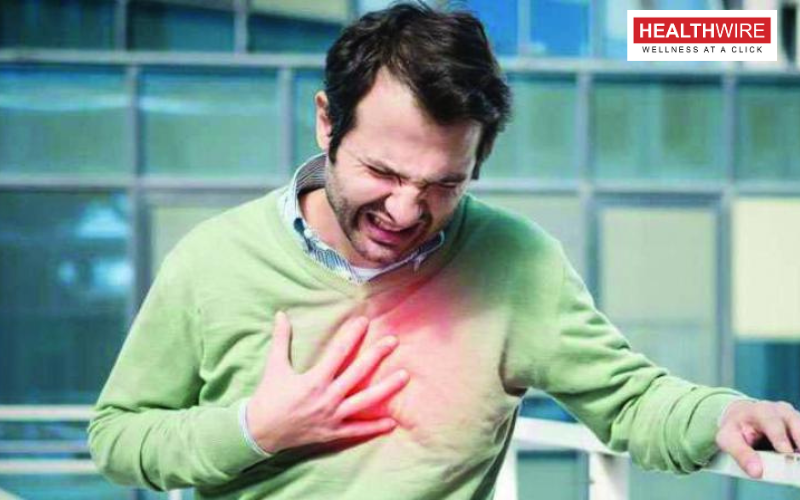
Heart attacks rarely happen without warning. In most cases, the risk builds quietly over years as damage accumulates inside the blood vessels that supply the heart. According to the American Heart Association, several everyday habits and underlying health conditions can significantly raise your chances of a heart attack—many of them without obvious symptoms in the early stages.
High blood pressure
High blood pressure is one of the strongest predictors of heart attack risk. When blood pressure stays elevated, it damages artery walls and makes it easier for fatty deposits to build up. Over time, this narrows blood flow to the heart and increases the chance of a blockage.
High cholesterol
Excess LDL (“bad”) cholesterol contributes to plaque buildup inside the arteries. If that plaque ruptures, a clot can form suddenly and cut off blood supply to the heart muscle—triggering a heart attack.
Diabetes and high blood sugar
People with diabetes are at a much higher risk of cardiovascular disease. Persistently high blood sugar can damage blood vessels and nerves that help control the heart.
Smoking and tobacco use
Smoking harms the lining of blood vessels, raises blood pressure, reduces oxygen in the blood, and makes blood clots more likely to form. Even passive smoke exposure increases cardiovascular risk.
Excess body weight and belly fat
Carrying excess weight—especially around the abdomen—is closely linked with high blood pressure, abnormal cholesterol, insulin resistance, and chronic inflammation, all of which raise heart attack risk.
Physical inactivity
A sedentary lifestyle weakens cardiovascular fitness and contributes to obesity, diabetes, and poor blood pressure control. Regular movement helps protect the heart in multiple ways.
Chronic stress and poor sleep
Long-term stress and poor sleep may not directly cause a heart attack, but they often worsen major risk factors such as high blood pressure, overeating, smoking, and blood sugar imbalance.
Family history and age
Some risk factors cannot be changed. Growing older, having a close family history of early heart disease, and certain inherited metabolic tendencies can all increase risk.
The biggest mistake people make is waiting for symptoms. Heart disease often develops silently, and the first sign can sometimes be a heart attack itself. Monitoring blood pressure, cholesterol, blood sugar, body weight, sleep, and lifestyle habits can dramatically reduce long-term cardiovascular risk. The earlier these factors are addressed, the better the protection for your heart.
















Leave a comment