

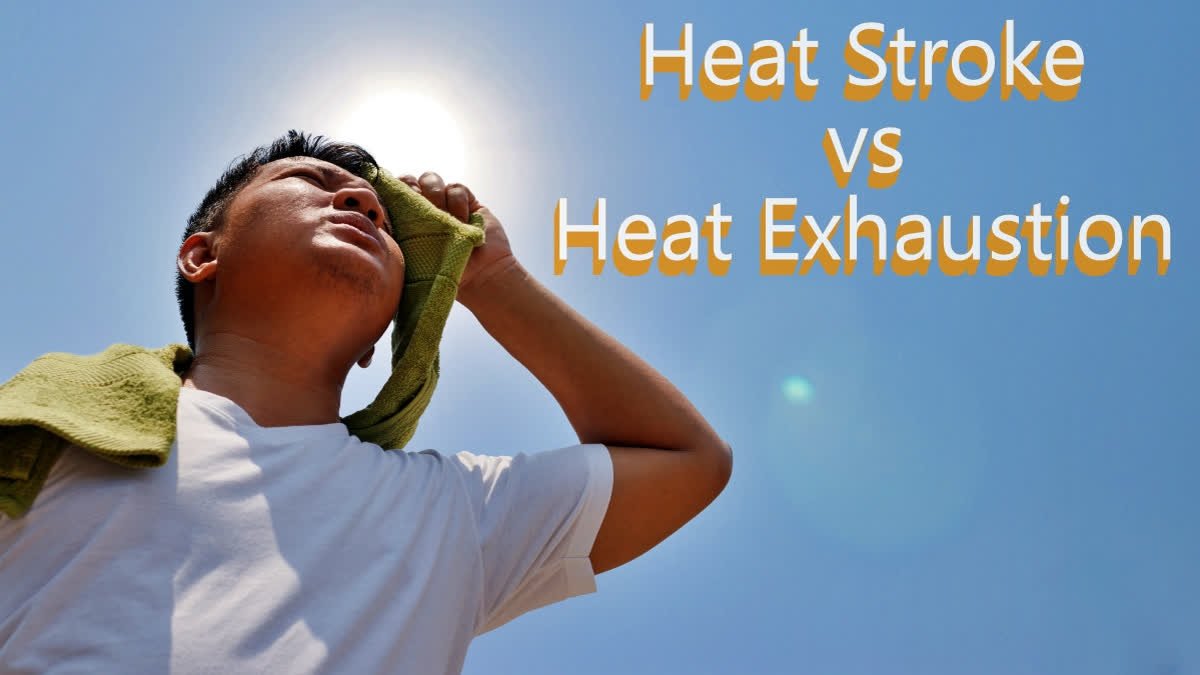
It has only been April in 2026 but it feels like summer is already here with a rise in temperatures where cases of heat-related illnesses are becoming common. Temperatures in several cities across India have remained above normal causing people to wonder the difference between heat exhaustion and heat stroke.
As we all gear up to battle the summer heat wave it is important to note that although the two terms are used interchangeably one is milder and the other may be fatal and knowing the difference can assist in acting promptly and avoiding severe complications. According to the Centres for Disease Control and Prevention (CDC) both conditions occur when the body is unable to regulate body temperature caused by prolonged exposure to high temperatures or vigorous physical activity in hot conditions.
What is heat stroke?
Heat stroke is a medical emergency and the worst type of heat-related illness which occurs when the body temperature increases quickly, usually to above 40 celsius and the body is unable to cool. Some of the common symptoms of heat stroke include:
- High body temperature
- Hot, dry skin or sweating
- Loss of consciousness or confusion
- Rapid pulse
- Seizures
- Loss of consciousness
The Mayo Clinic cautions that heat stroke may harm the brain, heart, kidneys and muscles which can be deadly unless treatment is administered promptly.
What is heat exhaustion?
Heat exhaustion is not as serious as heat-related illness but it is not to be dismissed. This condition occurs typically following multiple hours of being exposed to high temperatures particularly when accompanied by dehydration. Some of the common symptoms of heat exhaustion include:
- Heavy sweating
- Weakness or fatigue
- Dizziness or fainting
- Nausea or vomiting
- Headache
- Cool or moist skin
According to the CDC heat exhaustion is the loss of too much water and salt to the body due to sweating and causes dehydration and imbalance.
Key highlights
- With rising temperatures it can cause heat related illnesses early in the season
- Heat stroke is severe and life threatening whereas heat exhaustion is milder but serious
- Heat stroke symptoms consists very high body temperature, confusion and unconsciousness
- Heat exhaustion symptoms include heavy sweating, weakness, dizziness and nausea
- Stay hydrated, avoid peak sun hours, wear light cotton clothes and rest in shade to stay safe
Expert tips to stay safe during summer heat waves
Dr. Prakhar Garg, Principal Consultant, Internal Medicine, Yatharth Hospital Noida 110 Unit outlined few tips to follow this summer season for avoiding heat stroke and heat exhaustion:
- Try to stay hydrated by drinking about 3 to 4 litres of water per day
- You can incorporate ORS water and other drinks like electrolytes, buttermilk or nimbu pani
- Avoid going out in the sun between 10 am and 4 pm
- Limit any kind of rigorous physical activity
- Wear loose, loose and breathable cotton clothes during the summers
- Try to cover yourself properly when stepping out in the sun with scarfs, hats and umbrellas
- Take breaks in the shade and relax as necessary when feeling weak or dizzy
As we all find ways to beat summer heat this season ensure to keep in mind that although the two conditions are caused by heat their severity and symptoms vary widely. For example sweating is a frequent symptom of heat exhaustion whereas a rise in body temperature could be due to heat stroke. In a case when people experience unconsciousness or confusion it is due to heat stroke.
The content above is only for informational purposes. It is not at all professional medical advice. Always consult your doctor or a healthcare specialist for any questions regarding your health or a medical condition.













Leave a comment