


Tobacco use continues to remain one of the world’s leading preventable causes of death, claiming millions of lives every year. While lung cancer is often considered the biggest danger linked to smoking, health experts warn that tobacco silently harms nearly every organ in the body — including the heart, brain, reproductive system, and blood vessels.
On World No Tobacco Day 2026, doctors are raising concerns over the growing popularity of cigarettes, vaping devices, and smokeless tobacco products among young people, stressing that nicotine addiction is becoming a serious public health challenge.
According to Dr. Rajiv Narang, Senior Cardiologist at AIIMS, New Delhi, tobacco damages the cardiovascular system almost immediately after use. “Many people associate tobacco only with lung disease, but smoking significantly increases the risk of heart attack, stroke, high blood pressure, and blocked arteries. Even passive smoking can be dangerous,” he says.
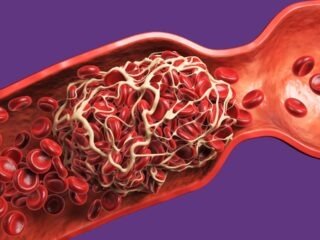
Tobacco contains thousands of harmful chemicals that damage blood vessels and reduce oxygen supply throughout the body. Over time, this can weaken the heart and increase the likelihood of serious cardiac events.
Doctors are especially worried about the rise of vaping and flavoured nicotine products among teenagers and young adults. Many users wrongly believe e-cigarettes are safer alternatives to traditional smoking.
“Vaping is often marketed as harmless, but nicotine itself affects brain development, concentration, sleep, and mental health. Young users can develop addiction much faster than they realise,” explains Dr. Narang.
The harmful effects of tobacco are not limited to the lungs and heart. Smoking has also been linked to increased risk of stroke, memory decline, anxiety, depression, and reduced blood flow to the brain.
Experts further highlight the impact of tobacco on fertility and reproductive health. In men, smoking may lower sperm quality, reduce testosterone levels, and contribute to erectile dysfunction. In women, tobacco use may affect hormonal balance, fertility, pregnancy outcomes, and even increase the risk of premature birth.
Smokeless tobacco products such as gutka, khaini, paan masala, and chewing tobacco remain another major concern in India. Doctors warn that these products can lead to oral cancer, gum disease, tooth loss, digestive problems, and heart complications.
“Tobacco in any form is harmful. Many people assume chewing tobacco is safer because it does not involve smoke, but the cancer risk remains extremely high,” says Dr. Narang.
Health experts also stress that tobacco addiction affects mental health. Nicotine creates temporary pleasure by releasing dopamine in the brain, but long-term use may worsen stress, anxiety, and dependency.
Despite the risks, doctors say quitting tobacco at any age can significantly improve health outcomes. Within weeks of quitting, blood circulation and lung function begin improving, while long-term risks of heart disease and cancer gradually reduce.
Experts recommend nicotine replacement therapy, counselling, support groups, behavioural therapy, and professional medical guidance for those struggling to quit.
On World No Tobacco Day 2026, healthcare professionals are urging individuals to recognise that tobacco does not only damage the lungs — it silently affects the entire body and overall quality of life.
Doctors say the earlier people quit tobacco, the greater the chances of preventing long-term complications and living a healthier life.















Leave a comment