

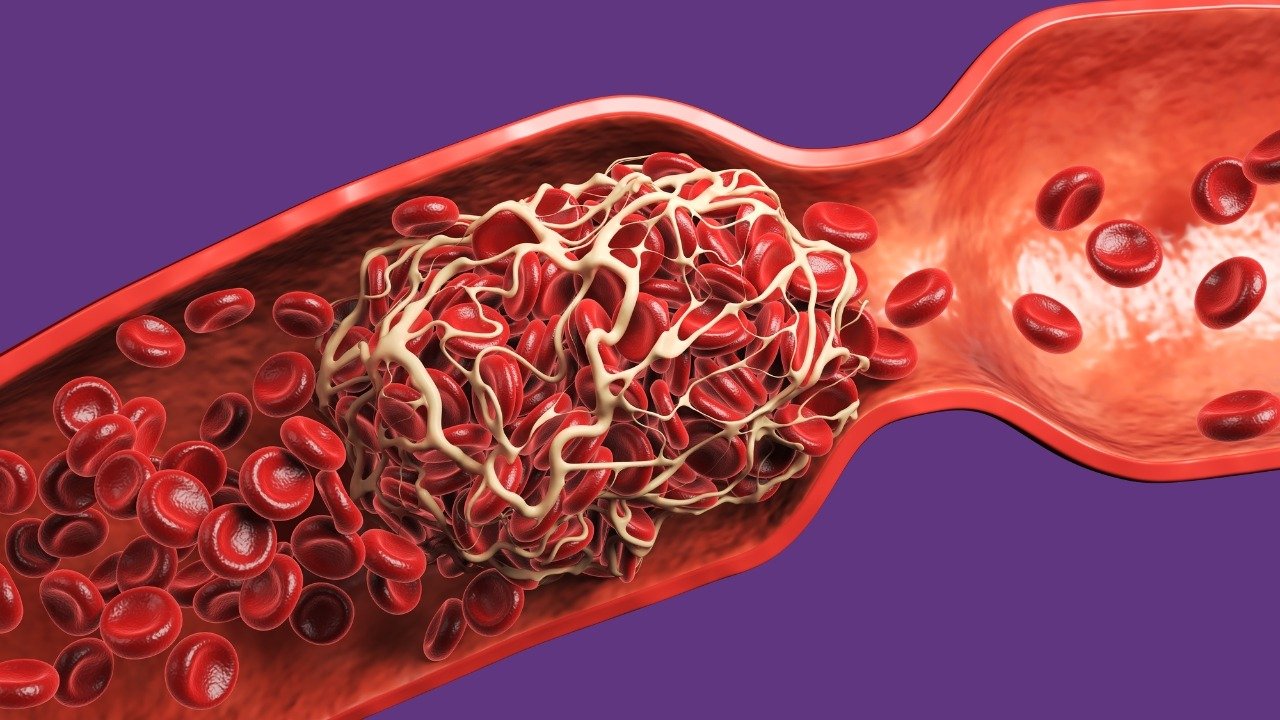
Blood cancer cases are rising globally, but doctors say one of the biggest challenges remains delayed diagnosis due to ignored or misunderstood symptoms. On World Blood Cancer Day, health experts are urging people to become more aware of early warning signs linked to leukemia, lymphoma, and multiple myeloma.
Unlike many cancers that form visible tumours, blood cancers affect blood cells, bone marrow, or the lymphatic system. Symptoms often appear gradually and may resemble common illnesses such as viral infections, fatigue, or weakness.
According to Dr. Rahul Bhargava, Director and Head of Hematology at Fortis Memorial Research Institute, Gurugram, many patients ignore symptoms for months before seeking medical help.
“One of the major problems with blood cancer is that the symptoms initially appear very mild and non-specific. Persistent fatigue, recurrent fever, unexplained bruising, or swollen lymph nodes should never be ignored,” he explains.
Blood cancers interfere with the body’s ability to produce healthy blood cells. As abnormal cells multiply, they weaken the immune system and affect oxygen transport and clotting function.
Doctors say some of the most common early warning signs include:
- Constant tiredness or weakness
- Frequent infections
- Night sweats
- Sudden weight loss
- Swollen lymph nodes
- Pale skin
- Bone or joint pain
- Easy bruising or bleeding
- Persistent fever
- Shortness of breath
Leukemia commonly affects white blood cells and bone marrow, while lymphoma targets the lymphatic system. Multiple myeloma affects plasma cells responsible for producing antibodies.
Experts note that although blood cancer is more common in older adults, cases among younger individuals and children are also being reported increasingly.
“People often believe cancer always causes severe pain in the beginning, but blood cancer can progress silently. Sometimes routine blood tests become the first clue,” says Dr. Bhargava.
Several factors may increase blood cancer risk, including smoking, obesity, exposure to radiation or harmful chemicals, weakened immunity, family history, and certain genetic disorders.
Doctors also stress the importance of regular health check-ups and routine blood tests, especially for individuals experiencing unexplained symptoms for several weeks.
Advancements in treatment have significantly improved survival rates over the years. Modern therapies include chemotherapy, immunotherapy, targeted therapy, radiation therapy, bone marrow transplantation, and personalised cancer care.
However, experts warn that delayed diagnosis can make treatment more complicated and reduce survival chances.
“Early detection remains one of the most important factors in improving outcomes in blood cancer patients. Awareness can genuinely save lives,” Dr. Bhargava adds.
Apart from physical health challenges, blood cancer can also affect emotional wellbeing. Patients often experience anxiety, fear, emotional stress, and financial burden during long-term treatment.
Healthcare professionals say strong family support, counselling, and mental health care play an important role in recovery and quality of life.
On World Blood Cancer Day, doctors are encouraging people to pay attention to unusual body changes and seek medical advice instead of ignoring persistent symptoms.
Experts stress that not every symptom means cancer, but prolonged unexplained fatigue, fever, bruising, or swelling should always be evaluated by a healthcare professional.
With growing awareness, doctors hope more people will recognise early symptoms sooner, leading to earlier diagnosis, faster treatment, and better survival outcomes.















Leave a comment