

Shingles Vaccine Linked to Lower Risk of Heart Attack and Stroke, Study Finds
A new study has found that the shingles vaccine may offer an unexpected benefit beyond protecting against the painful viral infection: a lower risk of cardiovascular problems, including heart disease, heart failure and stroke.
Researchers from the University of Oxford analysed health data from more than 70,000 adults aged 60 and above in the United States. The findings suggest that people who received the newer recombinant shingles vaccine, Shingrix, had a lower risk of cardiovascular disease compared with those who received the older shingles vaccine.
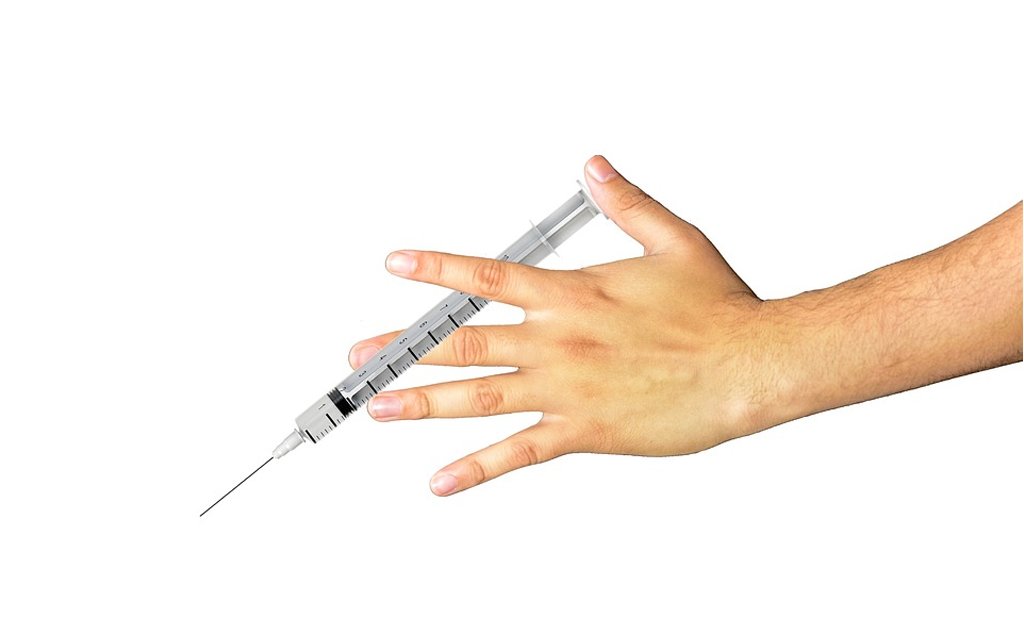
The research took advantage of a change in the US vaccination programme. In 2017, Shingrix began replacing the older live vaccine, Zostavax. Researchers compared people who received the older vaccine with those vaccinated after the transition, when Shingrix was predominantly being used.
Over a seven-year period, people who received the recombinant vaccine had a 9% lower cardiovascular disease burden. The researchers reported an approximately 10% reduction in ischaemic heart disease and a 12% reduction in heart failure. A lower risk of ischaemic stroke was also observed among men.
Why could shingles affect the heart?
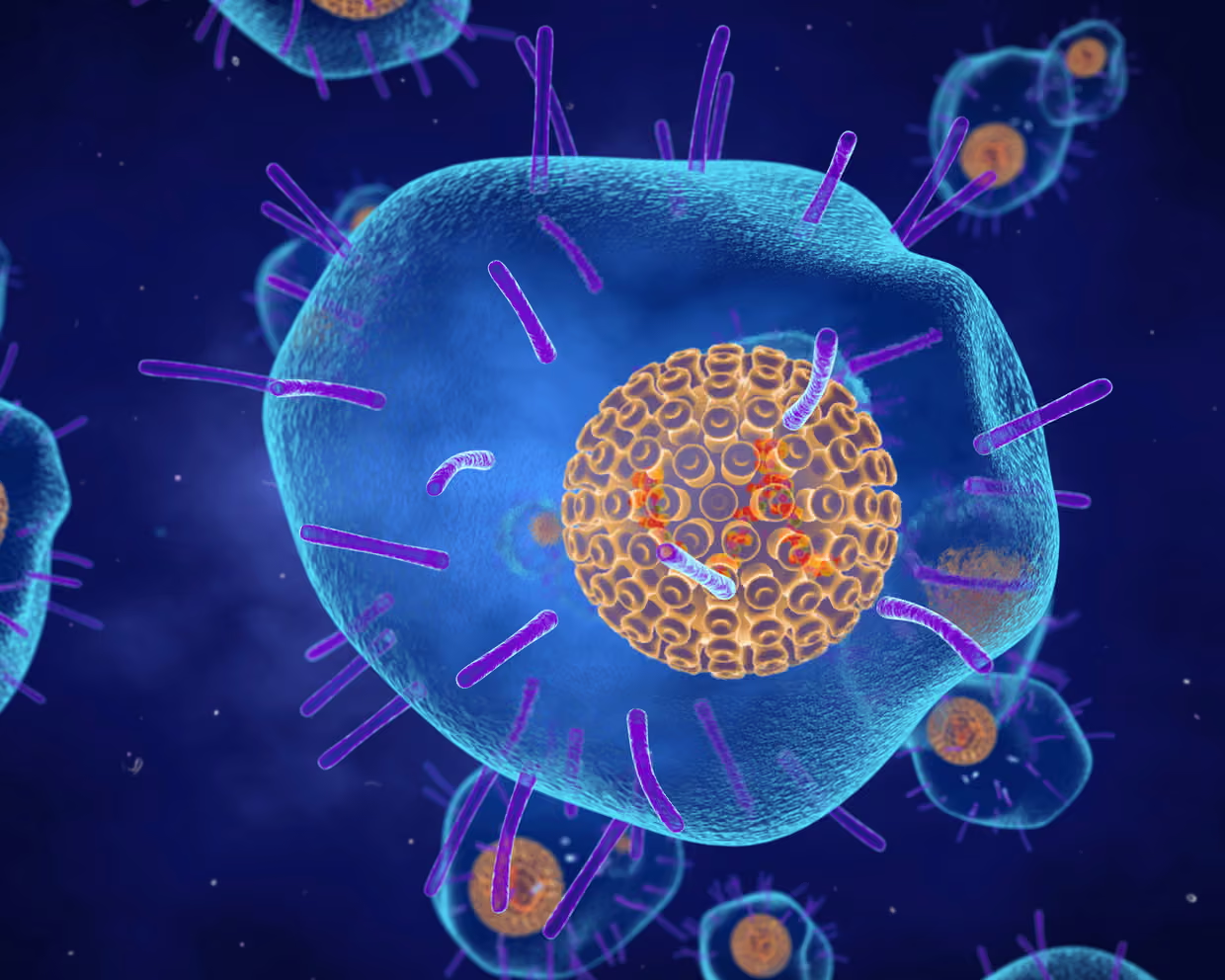
Shingles occurs when the varicella-zoster virus, which causes chickenpox, becomes reactivated later in life. The infection can trigger inflammation in the body and may affect blood vessels.
Previous research has linked shingles with an increased risk of cardiovascular complications. Scientists believe that the inflammation associated with the infection could potentially contribute to problems involving the heart and blood vessels.
Preventing shingles may therefore reduce some of the inflammatory processes associated with the infection. However, researchers say this is only one possible explanation for the findings.
Does the vaccine prevent heart attacks?
Not yet proven.
The latest research found an association between receiving the recombinant shingles vaccine and a lower cardiovascular risk, but it does not prove that the vaccine directly prevents heart attacks or strokes.
The study was observational rather than a randomised clinical trial. Although researchers used statistical methods to make the comparison more reliable, other factors could still have influenced the results.
Further clinical trials will be needed to establish whether the vaccine itself provides direct protection against cardiovascular disease.
What makes the findings important?
The results add to growing evidence that vaccination may have health effects beyond preventing the infection it was designed to target.
Earlier research has also reported an association between shingles vaccination and a reduced risk of cardiovascular events. If future studies confirm the connection, shingles vaccination could potentially offer an additional health benefit for older adults.
However, the primary purpose of the shingles vaccine remains preventing shingles and its complications, including prolonged nerve pain known as postherpetic neuralgia.
What should older adults know?
The findings do not mean that people should take the shingles vaccine specifically as a treatment for heart disease or stroke. Anyone considering vaccination should follow current recommendations and discuss their individual circumstances with a healthcare professional.
Researchers say the next step is to understand whether the association is genuinely caused by vaccination and, if so, how the vaccine may influence cardiovascular health.
The study raises an interesting possibility in preventive medicine: protecting older adults from a viral infection could potentially have benefits for the heart and blood vessels as well. More research will be needed before that potential benefit can be confirmed.










Leave a comment