

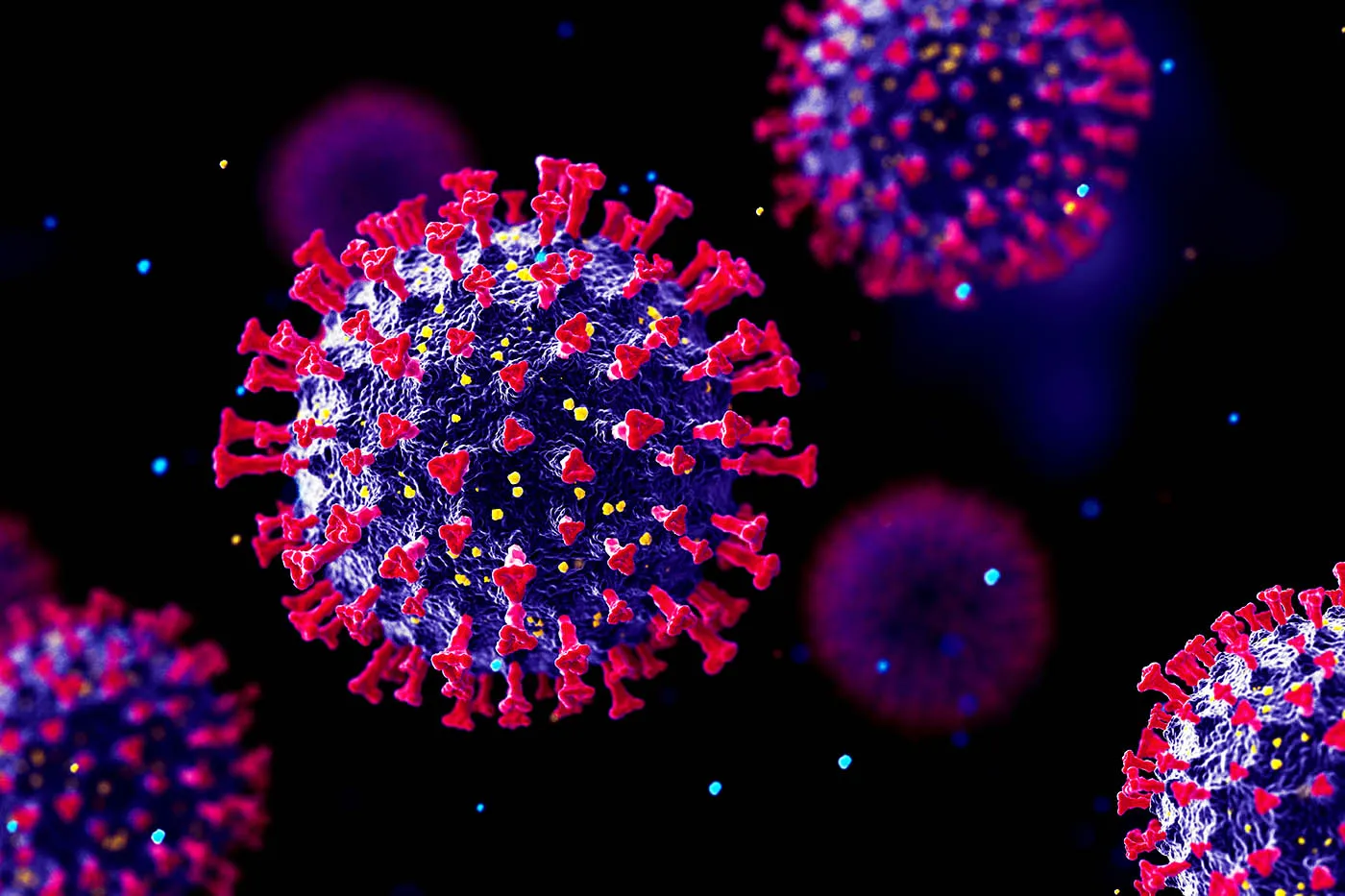
Delhi is witnessing a rise in swine flu cases, with 48 new H1N1 infections reported in a single day. With the latest cases, the total number of people diagnosed with H1N1 in the national capital has climbed to 3,629.
The increase has raised concerns as seasonal influenza continues to circulate in the city. Health experts are urging people to remain alert, particularly those at higher risk of complications from respiratory infections.
H1N1 cases continue to rise in Delhi
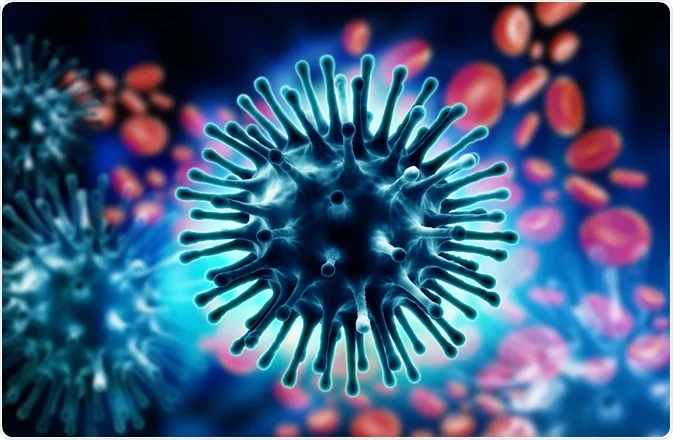
Swine flu, commonly known as H1N1 influenza, is a respiratory infection caused by the influenza A virus. The infection can spread through respiratory droplets when an infected person coughs, sneezes or talks. Crowded and poorly ventilated spaces can increase the risk of transmission.
The addition of 48 new cases in just one day highlights the continuing spread of influenza in Delhi. While most people recover with appropriate care, H1N1 can sometimes lead to serious complications, especially in vulnerable groups.
Who is at higher risk of severe H1N1 infection?
Young children, older adults, pregnant women and people with underlying health conditions may be more vulnerable to complications from influenza. People with conditions affecting the lungs, heart or immune system should take extra precautions during periods of increased flu activity.
Symptoms of swine flu to watch out for
H1N1 can cause symptoms similar to other forms of seasonal influenza. Common symptoms include:
- Fever or chills
- Cough
- Sore throat
- Runny or blocked nose
- Headache
- Body ache and fatigue
- In some cases, vomiting or diarrhoea, particularly in children
People experiencing persistent or worsening symptoms should consult a doctor rather than self-medicate.
How to protect yourself from H1N1
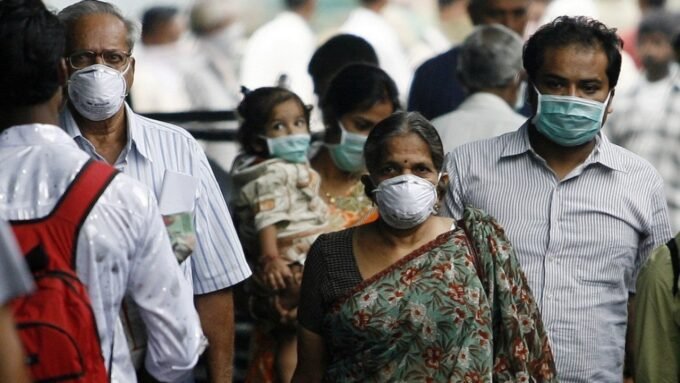
Basic respiratory hygiene remains important in reducing the spread of influenza. People should wash their hands regularly, cover their mouth and nose while coughing or sneezing, avoid close contact with people who are unwell and stay home when experiencing flu-like symptoms.
As Delhi records 3,629 H1N1 cases, the latest increase serves as a reminder to remain cautious about flu symptoms and seek timely medical advice when required.













Leave a comment