

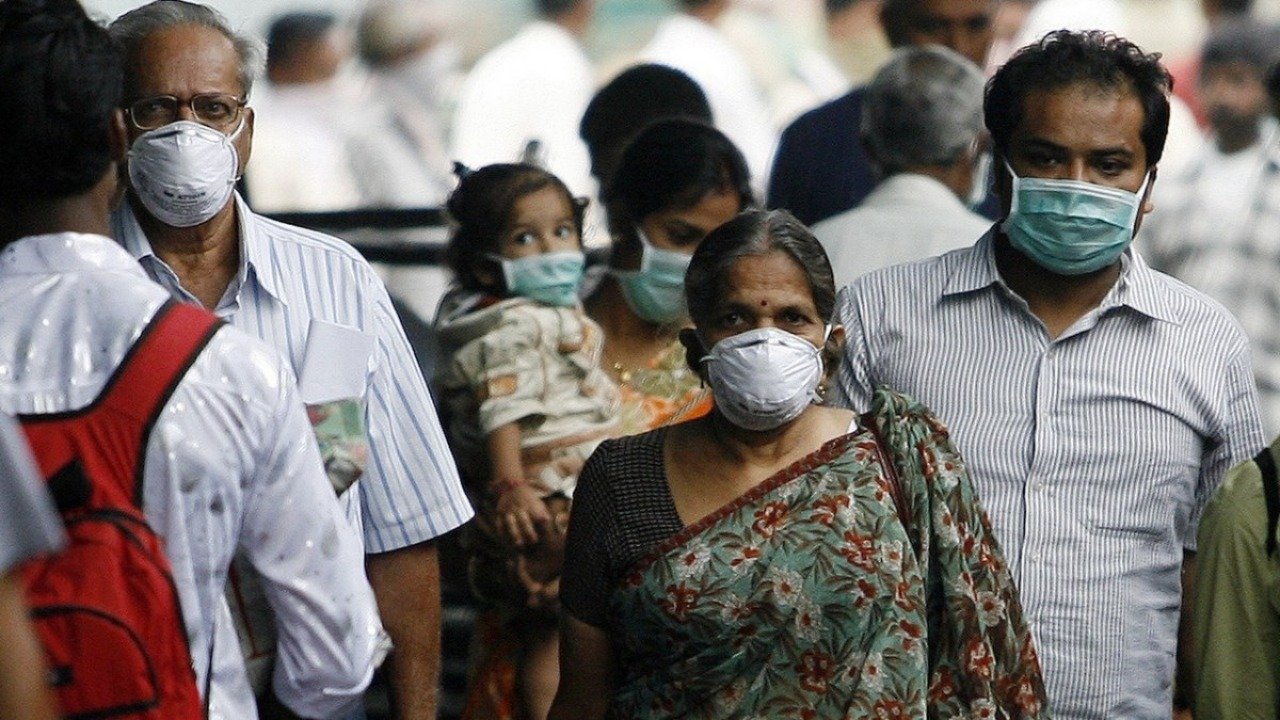
Demand for influenza vaccines has increased significantly across India as H1N1 and other seasonal influenza infections continue to rise. More people are seeking flu shots, while healthcare platforms are also reporting a growing demand for at-home vaccination and rapid influenza testing.
The increase comes amid heightened awareness about seasonal flu and concerns over the spread of respiratory infections during the monsoon season. However, health experts have stressed that there is no need for panic, as the current influenza activity is being viewed as part of a seasonal pattern.
Flu Vaccine Demand Nearly Triples
Data from digital healthcare platforms indicates that demand for flu vaccines has risen sharply compared with the same period last year. Sales are reportedly nearly three times higher than last year and have more than doubled compared with July.
The rise in demand has been seen across major Indian cities, with both individuals and companies showing greater interest in influenza vaccination. Growing awareness among patients and doctors, along with increased viral activity, is being seen as a major factor behind the trend.
The demand has also resulted in supply constraints in some cities.
New Flu Vaccine Available
The increased interest in vaccination comes as the updated 2026-27 influenza vaccine has reached the Indian market.
Flu vaccines are updated periodically based on recommendations regarding influenza viruses expected to circulate during the upcoming season. This is important because influenza viruses can change over time, meaning vaccine formulations are reviewed and updated to improve protection against circulating strains.
However, vaccination does not guarantee that a person will never develop influenza. It is primarily intended to reduce the risk of infection and, importantly, severe illness and complications.
At-Home Vaccination Gains Popularity
Healthcare platforms have also reported growing interest in home-based vaccination services. Several digital healthcare providers are offering appointments in which trained healthcare workers administer flu vaccines at people’s homes.
The availability of such services may be making vaccination more convenient for people who find it difficult to visit hospitals or clinics.
Corporates are also showing greater interest in flu vaccination as they look for ways to reduce illness-related absenteeism among employees during periods of increased influenza activity.
Demand for Flu Testing Also Rises
The increase in vaccination demand has been accompanied by a rise in requests for rapid molecular testing for influenza.
Testing demand is reportedly growing beyond major metropolitan areas, with increasing requests from tier-2 and tier-3 cities as well.
One reason testing is becoming important is that several infections can cause similar symptoms. H1N1, other influenza infections, dengue and typhoid can all cause symptoms such as fever, fatigue, body ache and weakness.
Because symptoms can overlap, testing may help doctors determine the likely cause of illness and decide on appropriate treatment.
Who Faces a Higher Risk?
Seasonal influenza is generally mild for many healthy people, but certain groups have a greater risk of developing complications.
Older adults, young children, pregnant women, people with underlying health conditions and those with weakened immune systems may require greater caution.
People in these groups should speak with a healthcare professional about whether annual influenza vaccination is appropriate for them.
Precautions Still Matter
Vaccination is only one part of preventing influenza transmission. Basic precautions remain important, particularly when respiratory infections are circulating widely.
People should wash their hands regularly, cover their mouth and nose while coughing or sneezing, avoid close contact when unwell and maintain good ventilation in indoor spaces.
Wearing a mask in crowded environments may also provide additional protection, particularly for people at higher risk.
People experiencing flu-like symptoms should avoid unnecessary self-medication and seek medical advice when symptoms are severe, persistent or worsening.
No Need for Panic
Despite the rise in H1N1 cases and increased demand for vaccines and testing, health authorities have said there is no reason for widespread alarm.
The current increase is being monitored as part of seasonal influenza activity. For the public, the focus should remain on prevention, vaccination where recommended, early recognition of symptoms and timely medical care.
The surge in vaccine demand may also reflect growing awareness among Indians about influenza and the importance of preventive healthcare. As the flu season continues, experts are encouraging people—especially those at higher risk—to take appropriate precautions rather than wait until infections become widespread.















Leave a comment