

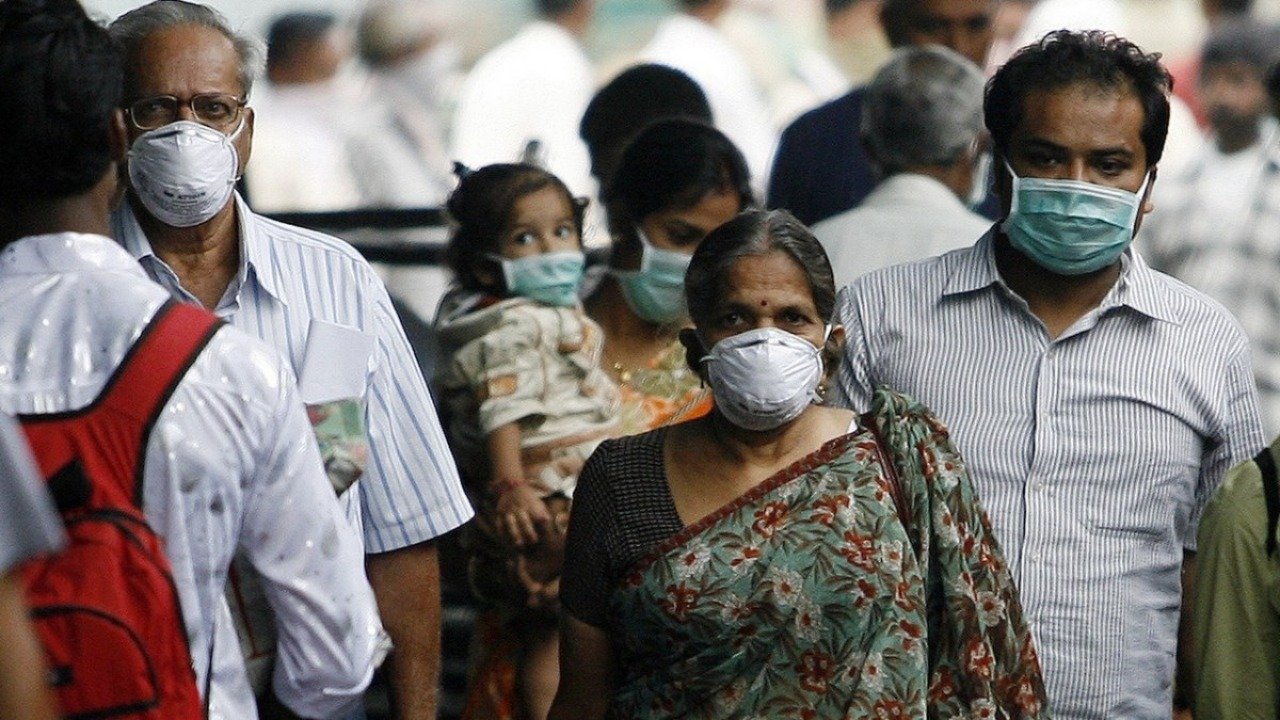
Delhi schools have been asked to strengthen preventive measures against seasonal influenza, including H1N1, as health authorities step up surveillance and preparedness amid rising cases. The Directorate of Education has issued an advisory to schools, urging them to focus on hygiene, respiratory etiquette and awareness among students, teachers and staff.
The advisory applies to government, government-aided and private unaided recognised schools across the capital. Officials have emphasised that there is no need for panic and that schools should focus on practical steps to limit the spread of respiratory infections.
What symptoms should schools watch for?
Seasonal influenza can cause symptoms such as fever, cough, sore throat, chills, headache, body ache and fatigue. Some patients may also experience difficulty breathing or other respiratory symptoms.
Schools have been advised to ensure that students and staff are aware of these warning signs. Anyone developing symptoms should avoid close contact with others and seek medical advice when required.
Hand and respiratory hygiene
One of the key recommendations is regular handwashing with soap and water. Students should wash their hands before eating and after coughing, sneezing or coming into contact with potentially contaminated surfaces.
The advisory also stresses respiratory etiquette. Students and staff should cover their nose and mouth while coughing or sneezing and dispose of used tissues properly. They should also avoid touching their eyes, nose and mouth unnecessarily.
Schools have been encouraged to discourage spitting on campus and in public places as part of their infection-control efforts.
Clean classrooms and better ventilation
Schools have also been asked to regularly clean classrooms, common areas and frequently touched surfaces. Proper ventilation should be maintained wherever possible to improve airflow inside classrooms and other enclosed spaces.
Maintaining distance from people who have respiratory symptoms has also been recommended. Masks may be used when considered necessary, particularly in situations where respiratory infections are a concern.
Avoid self-medication
Health authorities have cautioned students, parents and staff against taking medicines without medical advice. In particular, antibiotics should not be used routinely for influenza because influenza is caused by a virus, while antibiotics are intended for bacterial infections.
People experiencing symptoms should consult a healthcare professional to determine whether medical evaluation or treatment is necessary.
Schools asked to spread awareness
The Directorate of Education has encouraged schools to make influenza prevention part of their regular awareness activities. Information can be shared through morning assemblies, classroom discussions, notice boards, parent communication and digital platforms.
Students are also being encouraged to maintain healthy habits, including staying hydrated, eating nutritious food, getting adequate rest and maintaining personal hygiene.
Education officials have directed district and zonal authorities to monitor implementation of the advisory and ensure that schools follow the recommended preventive measures.
The advisory comes as Delhi continues to monitor seasonal influenza activity, including H1N1 infections. While the rising number of cases has prompted increased attention, authorities have maintained that the situation remains under control.
For parents and students, the key message is to remain alert without becoming alarmed. Practising good hand and respiratory hygiene, staying home when unwell, avoiding unnecessary self-medication and seeking timely medical advice can help reduce the spread of influenza in schools and the wider community.













Leave a comment