

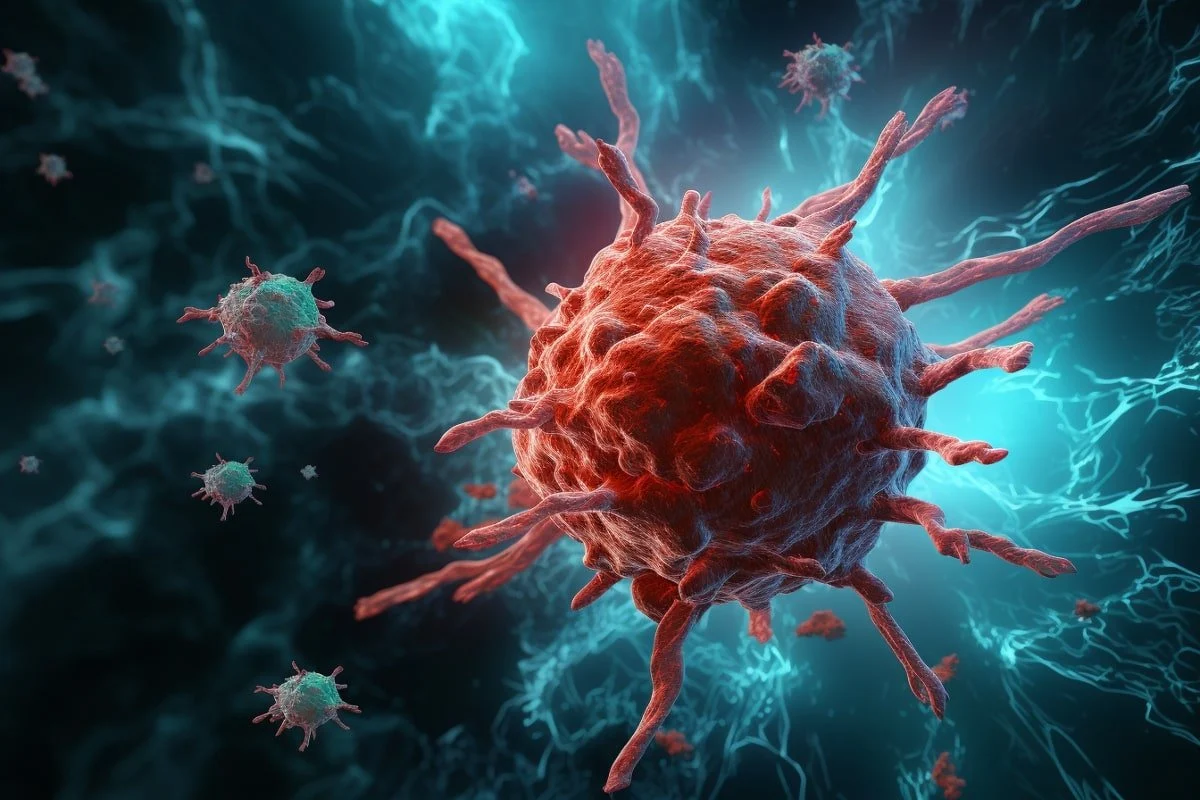
Long-term exposure to air pollution, particularly fine particulate matter known as PM2.5, may be contributing to millions of cancer cases worldwide, according to a new global study.
Researchers analysed 109 million cancer cases recorded across 952 locations between 2000 and 2020. The study examined the potential impact of three major air pollutants: PM2.5, ozone and nitrogen dioxide. PM2.5 emerged as the largest contributor to the global cancer burden among the pollutants studied.
PM2.5 Linked to Millions of Cancer Cases
PM2.5 refers to extremely fine particles measuring 2.5 micrometres or less in diameter. Because of their tiny size, these particles can travel deep into the lungs and may also enter the bloodstream.
The study estimated that PM2.5 exposure was associated with approximately 8.82 million cancer cases during the 2000–2020 period. Researchers also found that every 10 microgram-per-cubic-metre increase in PM2.5 exposure was associated with a 16% increase in the risk of cancer overall.
Lung Cancer Remains a Major Concern
The strongest established connection between PM2.5 and cancer is lung cancer. The study estimated that around 17.9% of tracheal, bronchial and lung cancer cases could potentially be prevented if exposure to PM2.5 were eliminated or adequately addressed.
However, the findings suggest that the effects of air pollution may not be limited to the respiratory system.
Researchers found associations between PM2.5 exposure and cancers affecting several other parts of the body, including the thyroid, oesophagus, colon, rectum and breast.
Possible Link With Other Cancers
For every 10 microgram-per-cubic-metre increase in PM2.5 exposure, the study found a 17.9% higher risk of kidney cancer and a 21.1% higher risk of bladder cancer.
Scientists believe the extremely small particles may trigger inflammation, oxidative stress, DNA damage and changes in immune function. These biological processes could potentially contribute to the development of cancer in different organs.
Other Air Pollutants Also Pose a Risk
The study also examined nitrogen dioxide and ozone.
Nitrogen dioxide exposure was associated with approximately 6.67 million cancer cases during the study period, while ozone exposure was associated with around 2.59 million cases.
Every 10 microgram-per-cubic-metre increase in nitrogen dioxide was associated with an 11.7% increase in overall cancer risk, while the corresponding increase for ozone was 4.23%.
Women May Be More Vulnerable
The researchers found that women appeared to have higher risks for most of the cancers examined in relation to air pollution exposure.
The findings are particularly significant because air pollution remains widespread globally. Around 99% of the world’s population is estimated to live in areas where air pollution levels exceed recommended air-quality guidelines.
What Does This Mean for Public Health?
The study adds to growing evidence that air pollution is not only a respiratory health problem but can have wider effects on the body.
Reducing exposure to polluted air can be difficult, particularly for people living in cities with consistently high pollution levels. However, measures such as improving air quality, reducing emissions and strengthening pollution-control policies could help lower long-term health risks.
The findings highlight the importance of treating air pollution as a major cancer-prevention issue. While individual exposure cannot always be avoided, reducing pollution at the population level could potentially prevent millions of cancer cases in the future.











Leave a comment