Home Latest News Joint Pain in Changing Weather: Why It Happens and Simple Ways to Find Relief Naturally
Latest News

Joint Pain in Changing Weather: Why It Happens and Simple Ways to Find Relief Naturally

Share
Share

Joint pain is a common complaint that can affect people at any time of the year—but many notice it worsening during seasonal changes, whether in winter chills or extreme summer heat. From stiff knees to aching shoulders, these symptoms can interfere with daily life. But have you ever wondered why weather impacts your joints? Let’s understand the causes of joint pain and simple, effective ways to manage it naturally.

What Causes Joint Pain During Seasonal Changes?

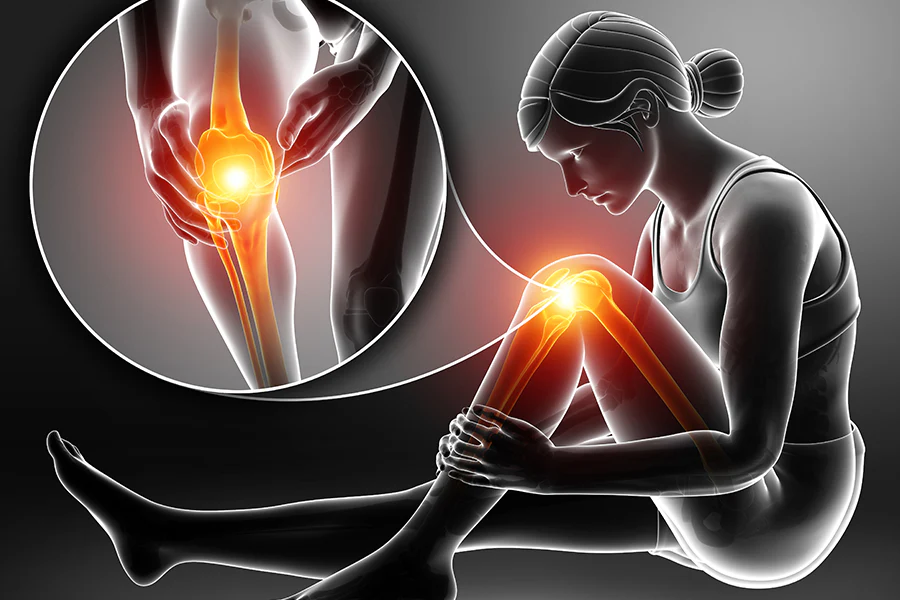
Fluctuations in temperature and barometric pressure can affect the tissues around your joints. When pressure drops, tissues may expand slightly, putting stress on surrounding nerves—leading to pain or stiffness, especially in people with arthritis or previous injuries.

Reduced Physical Activity

Whether it’s avoiding cold in winter or staying indoors during extreme summer heat, reduced movement can lead to stiff joints and weak muscles. Lack of activity decreases flexibility and can worsen joint discomfort over time.

Poor Blood Circulation

In colder weather, the body prioritizes blood flow to vital organs, reducing circulation to joints and extremities, which can cause stiffness. On the other hand, summer dehydration can also impact circulation and joint lubrication.

Dehydration (More Common in Summer)

During hot weather, the body loses fluids through sweat. If you’re not drinking enough water, it can reduce the lubrication between joints, making movement uncomfortable and increasing stiffness.

Simple Ways to Manage Joint Pain Naturally

In winter, wear warm layers to protect joints. In summer, avoid extreme heat exposure and stay in a cool environment to prevent inflammation and fatigue.

Stay Hydrated

Drinking 8–10 glasses of water daily is essential, especially in summer. Proper hydration helps maintain joint lubrication and reduces stiffness.

Stay Physically Active

Regular low-impact exercises like walking, swimming, or cycling help keep joints flexible and muscles strong. Add 10–15 minutes of stretching daily to improve mobility and reduce stiffness.

Maintain a Healthy Weight

Excess body weight puts added pressure on joints, especially knees and hips. A balanced diet combined with regular physical activity can help reduce this strain.

Consult a Doctor When Needed

If joint pain persists, worsens, or limits movement, it is important to seek medical advice. Early diagnosis and treatment can prevent complications and improve quality of life.

Joint pain is often influenced by weather changes, lifestyle habits, and hydration levels. While it may worsen during certain seasons, simple steps like staying active, hydrated, and maintaining a healthy routine can make a significant difference.


Share
Written by
Swapna Karmakar

Swapna Karmakar is an experienced Health Journalist and the Editorial Lead at Healthwire Media. She has a background in investigative reporting and a deep interest in community health and regulatory updates within the medical sector. Swapna focuses on bridging the gap between healthcare providers and patients by crafting narratives that simplify medical terminology without losing clinical depth. Her research process involves analyzing peer-reviewed journals and official regulatory notifications from bodies like the National Medical Commission (NMC) to provide timely news to both healthcare professionals and the general public. Swapna’s work is characterized by a commitment to transparency and evidence-based reporting. Outside of health reporting, she is an avid traveler and explorer of cultural landscapes. 

Leave a comment

Leave a Reply

Your email address will not be published. Required fields are marked *

Don't Miss

Latest News

World Preeclampsia Day 2026: Why pregnant women with hypertension need consistent antenatal care

Maintaining a healthy blood pressure during pregnancy is extremely important because this is a crucial phase in a woman’s life. Preeclampsia is a...

Latest News

Excess Weight Gain During Pregnancy May Increase Allergy Risk In Children, Studies Warn

Numerous studies have indicated that prenatal weight gain could be affected on the chances of allergic diseases in later childhood. Researchers are now...

Latest News

Ebola Scare In India? Delhi IGI Airport Issues Health Alert For International Travellers

As concerns over the rapidly spreading Ebola outbreak continue to grow globally, authorities in India have stepped up surveillance measures at airports, particularly...

Heart Failure
Latest News

Heart failure warning signs: 5 early symptoms you should never ignore

Heart-related diseases are no longer limited to older adults. Along with the unhealthy lifestyle, stress levels, diabetes, hypertension, smoking and disturbances in the...

Latest News

Ebola Outbreak 2026: WHO Warns of Dangerous New Strain as Cases Rise Across Congo and Uganda

Just when the world believed the worst years of global viral outbreaks were finally over, one of the deadliest viruses in the world...

Section title

Related Articles
Latest News

Nipah Alert In Kerala: Fresh Suspected Case Puts Health Authorities On High Alert In Kozhikode

A fresh Nipah virus scare has emerged in Kerala after a middle-aged...

Vitamin B12 Deficiency Symptoms In Men: 5 Warning Signs of Vitamin B12 Deficiency That Shouldn't Be Ignored
Latest News

Vitamin B12 and folate deficiency linked to chronic fatigue and low motivation, study finds

Constant fatigue and lack of energy are a common complaint from many...

Cancer
Latest News

Can a Routine CBC Test Detect Blood Cancer? Oncologist Explains the Early Warning Signs

Every routine health check-up usually begins with a Complete Blood Count (CBC)...

Stroke
Latest News

Stroke risk in summer: Why extreme heat can increase your chances of a brain attack

When temperatures soar during the summer months, most people worry about dehydration,...