

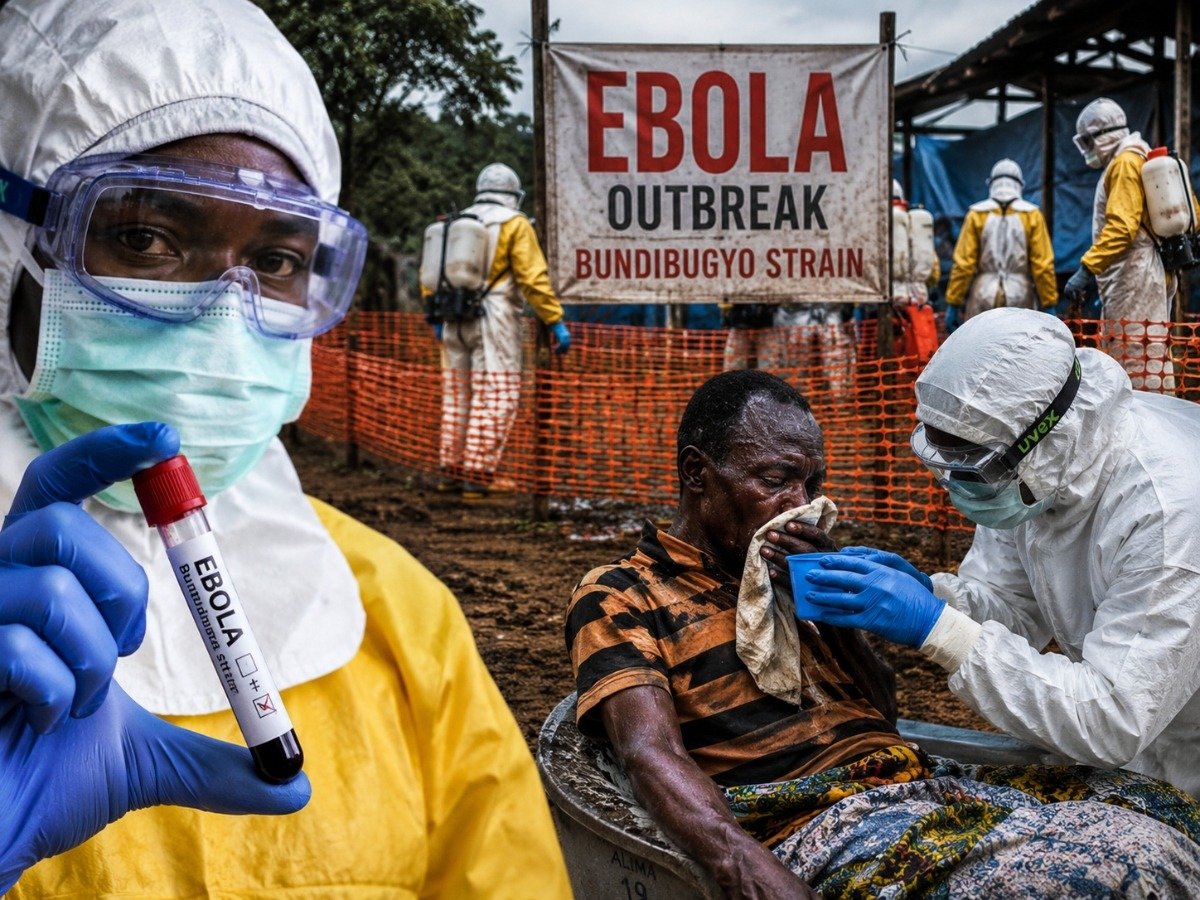
Amid rising global concern over Ebola virus disease, India’s Directorate General of Civil Aviation (DGCA) has issued preparedness measures for airlines following a recent warning from the World Health Organization (WHO). The move comes as health authorities worldwide step up surveillance to prevent the spread of the deadly infection through international travel routes.
Ebola is a severe and often fatal viral disease that spreads through direct contact with the bodily fluids of an infected person or contaminated surfaces and materials. While outbreaks are usually concentrated in parts of Africa, global travel has repeatedly raised concerns about cross-border transmission, prompting aviation and health authorities to remain on high alert.
According to reports, the WHO recently highlighted the need for stronger monitoring and preparedness due to ongoing Ebola-related risks in affected regions. In response, the DGCA has directed airlines and airport authorities to strengthen health safety protocols, improve passenger screening awareness, and ensure rapid reporting of any suspected medical emergencies onboard flights.
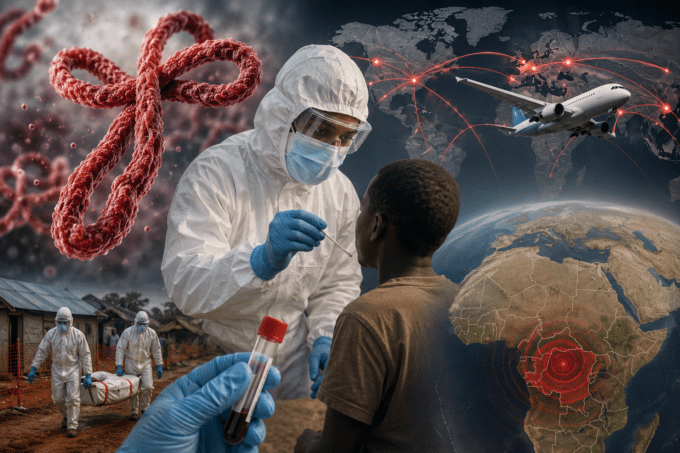
The aviation sector is considered one of the most critical points of surveillance during infectious disease outbreaks because infected travellers may carry symptoms across countries before diagnosis. Experts say that although Ebola is not as easily transmissible as airborne viruses like COVID-19, early detection and quick isolation remain essential to stopping its spread.
Under the new preparedness measures, airline crew members are expected to remain vigilant for passengers displaying symptoms such as high fever, severe weakness, vomiting, diarrhoea, unexplained bleeding, or sudden illness during travel. Airlines have also reportedly been advised to follow infection-control procedures and maintain coordination with airport health officials if any suspected case is identified.
Health experts note that Ebola symptoms can initially resemble common viral infections, making awareness and travel history extremely important during screening. Symptoms usually appear between 2 and 21 days after exposure and may rapidly worsen if not treated promptly.
Medical professionals stress that the risk of a widespread Ebola outbreak in India currently remains low. However, preventive preparedness is necessary due to increasing international connectivity and the unpredictable nature of infectious disease emergencies.
Public health experts also point out that lessons learned during the COVID-19 pandemic have significantly improved airport surveillance systems, emergency response coordination, and infection-control awareness across the aviation industry. Authorities are now aiming to avoid delays in response should any imported infectious disease threat arise.
The WHO has repeatedly emphasised the importance of international cooperation, timely reporting, public awareness, and robust healthcare preparedness in managing outbreaks of high-risk diseases such as Ebola. Experts say panic is unnecessary, but vigilance remains crucial.
Travellers returning from affected regions are being advised to monitor their health carefully and seek immediate medical attention if they develop symptoms such as fever, fatigue, vomiting, muscle pain, or bleeding. Doctors also recommend avoiding misinformation and relying only on verified updates issued by health authorities.
As global health agencies continue monitoring the evolving situation, India’s aviation and health authorities appear to be taking precautionary steps to ensure rapid preparedness and minimise any potential public health risk linked to international travel.














Leave a comment