

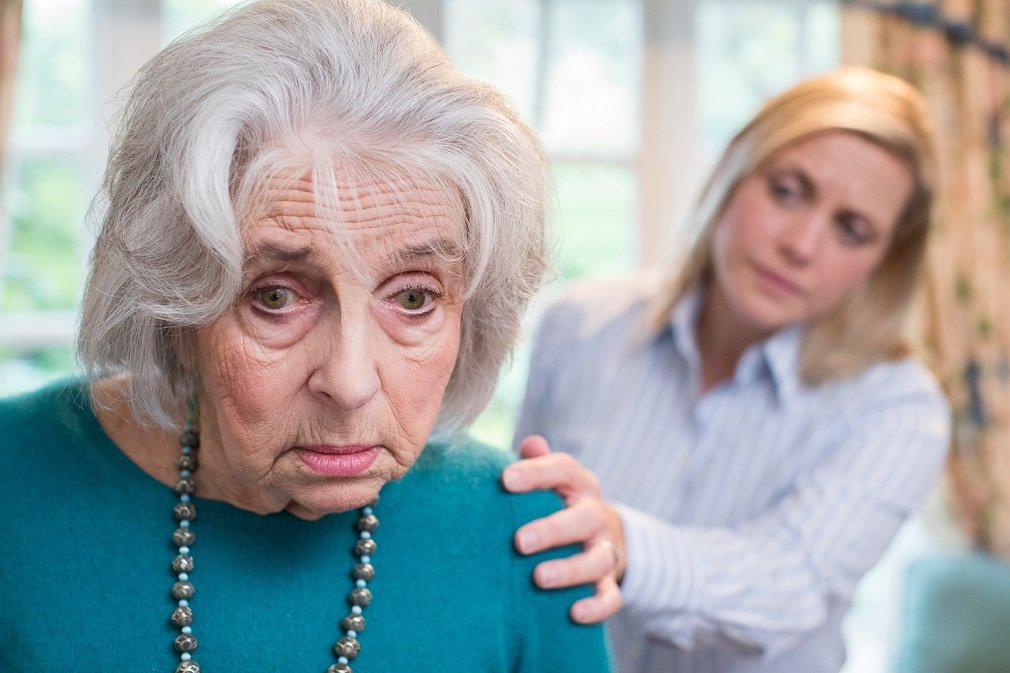
Nearly 2 out of every 3 people with Alzheimer’s disease are women in the USA and researchers are now beginning to find out how specific common conditions may be increasing women’s risk of cognitive decline compared to men. Scientists from the UC San Diego School of Medicine have identified several modifiable risk factors for dementia that seem to have a much greater impact on women’s brain health in a new study.
Individualised dementia prevention programs
The results published in the Journal of Biology of Sex Differences on May 19 were based on health information from over 17,000 individuals above 50 and older in the United States. Researchers said that the findings point to a pressing need to develop more individualised dementia prevention programs particularly for women who are subjected to a disproportionately high burden of Alzheimer’s worldwide.
Beyond identifying the most prevalent risk factors, “we found that some have a disproportionately larger impact on women’s cognition,” said Megan Fitzhugh, PhD, assistant professor of neurosciences at UC San Diego School of Medicine and first author of the study.
All about the study
According to researchers nearly 7 million Americans particularly women already suffer from Alzheimer’s disease. While women tend to live longer than men scientists think that the big difference in lifespan cannot account for the large gap. For the recent study, Fitzhugh and senior author Judy Pa analyzed 13 known dementia risk factors (smoking, depression, diabetes, obesity, hearing loss, hypertension, usage of alcohol, physical inactivity and sleep problems) in the data from the nationally representative Health and Retirement Study of US adults.
Analysis revealed that women were more likely to report depression, physical inactivity and sleep problems. Nearly 17 per cent of women said they felt depressed compared with 9 per cent of men and 48 per cent of women were physically inactive compared with 42 per cent of men. Additionally 45 per cent of women also had slightly more sleep problems compared with 40 per cent of men. However men were more likely to have hearing loss, diabetes and drink alcohol heavily according to the findings.

Other risk factors
The researchers found that some health conditions showed a stronger association with poor cognition in women. The negative effect on the cognitive function of women was more pronounced for hypertension and higher BMI. Even though hearing loss and diabetes are considered to be more prevalent in males these conditions also have a link with higher cognitive decline in females.
Talking about the result, Pa said that these differences emphasizes the need to take sex into account as an important factor in dementia research. He noted, “Sex differences are profoundly overlooked among many leading causes of death like Alzheimer’s, heart disease and cancer.”
Tips to reduce dementia risks
The team noted that among the many dementia risks are some that can be modified such as changes in lifestyle and medical intervention. While more research is required to identify the reasons behind how dementia occurs in women and men researchers concluded that women may especially benefit from improved cardiovascular treatment, depression treatment and increased physical activity.
Disclaimer: This research identifies associations, not causation. Cognitive outcomes vary individually and factors like lifestyle, genetics, healthcare access and age may also influence dementia risk.
















Leave a comment