

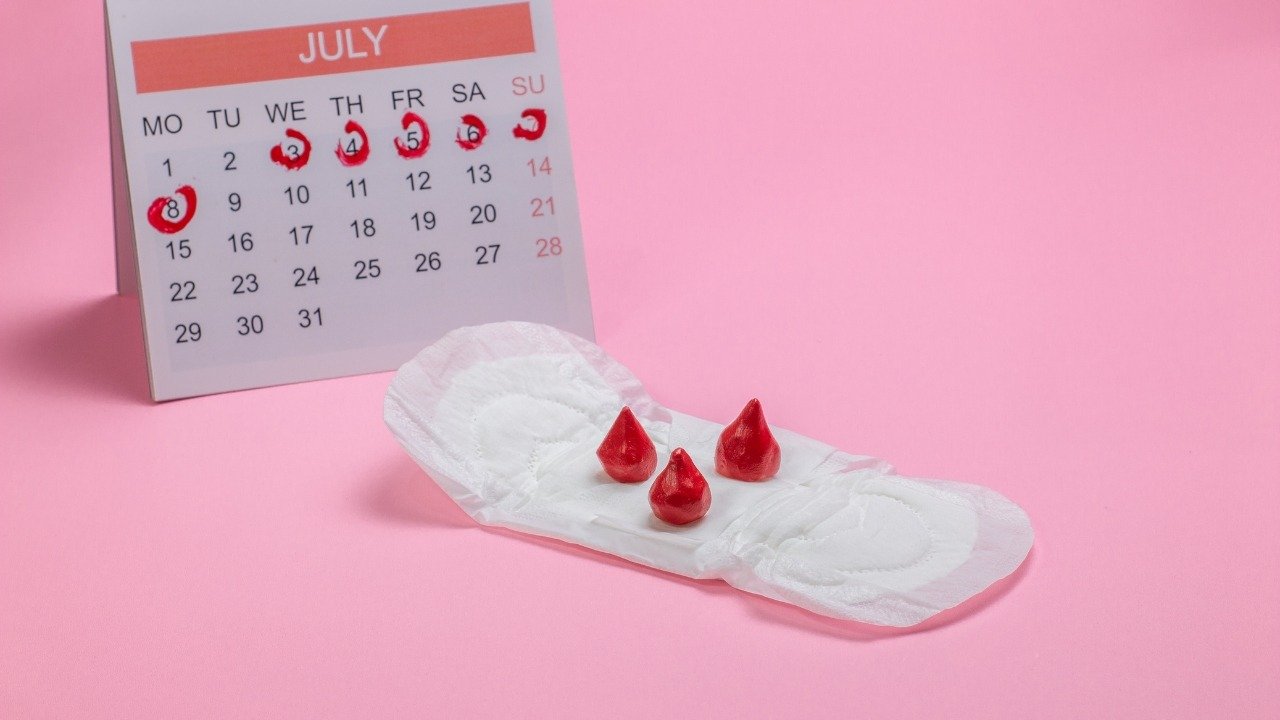
Every month, millions of women silently deal with painful cramps, heavy bleeding, irritation, infections, and discomfort during their periods. Yet, many continue to ignore these symptoms, assuming they are a “normal” part of menstruation. On World Menstrual Hygiene Day 2026, doctors are urging women to pay closer attention to menstrual hygiene and reproductive health, stressing that poor period care can sometimes lead to infections, discomfort, and long-term health complications.
Menstrual hygiene is not just about cleanliness — it is deeply connected to vaginal health, comfort, confidence, and overall wellbeing. Despite growing awareness, many women still lack access to proper information about safe menstrual practices.
According to Dr. Anjali Kumar, Senior Gynaecologist and Women’s Health Expert, poor menstrual hygiene habits can increase the risk of bacterial and fungal infections. “Women often ignore symptoms such as itching, foul smell, abnormal discharge, or recurring rashes during periods. These signs should never be dismissed because they may indicate underlying infections or irritation caused by improper hygiene practices,” she says.
One of the most common mistakes women make is wearing the same sanitary pad for too long. Experts recommend changing pads every four to six hours depending on flow. Prolonged use can create a warm and moist environment that encourages bacterial growth.
Similarly, menstrual cups and reusable cloth pads, though considered eco-friendly alternatives, require proper cleaning and sterilisation. If not maintained correctly, they may increase infection risk.
Doctors also warn against excessive use of scented intimate hygiene products. Many feminine washes, sprays, and scented pads contain chemicals that can disturb the natural vaginal pH balance.
“Your vagina has its own self-cleaning mechanism. Overusing harsh intimate products may actually do more harm than good by disrupting healthy bacteria,” explains Dr. Kumar.
Apart from hygiene habits, experts say women should stop normalising severe period pain. Painful cramps that interfere with daily activities, extremely heavy bleeding, dizziness, irregular cycles, or periods lasting longer than usual could sometimes signal conditions such as endometriosis, PCOS, fibroids, or hormonal imbalance.
Nutrition and hydration also play an important role during menstruation. Doctors advise consuming iron-rich foods, staying hydrated, maintaining good sleep, and reducing excessive caffeine intake during periods.
Mental health is another important but often overlooked aspect. Many women experience anxiety, mood swings, fatigue, and emotional distress linked to hormonal fluctuations during the menstrual cycle.
“Periods are not just a physical experience; they can affect emotional wellbeing too. Women should feel comfortable discussing menstrual health openly without shame or stigma,” says Dr. Kumar.
This year’s World Menstrual Hygiene Day also highlights the ongoing issue of period poverty. In many parts of the world, girls and women still struggle to access sanitary products, clean toilets, and accurate menstrual education. Experts say lack of awareness continues to force many girls to miss school and avoid social activities during menstruation.
Health professionals believe open conversations around menstruation are essential to breaking long-standing myths and taboos. They encourage parents, schools, and workplaces to promote awareness and support women’s reproductive health needs.
On World Menstrual Hygiene Day 2026, doctors remind women that periods should not be suffered through in silence. Paying attention to menstrual symptoms, following healthy hygiene practices, and seeking medical advice when needed can go a long way in protecting both reproductive and overall health.














Leave a comment